Optimizing Freight Operations for Modern Logistics Success
Sunday, September 6 2026
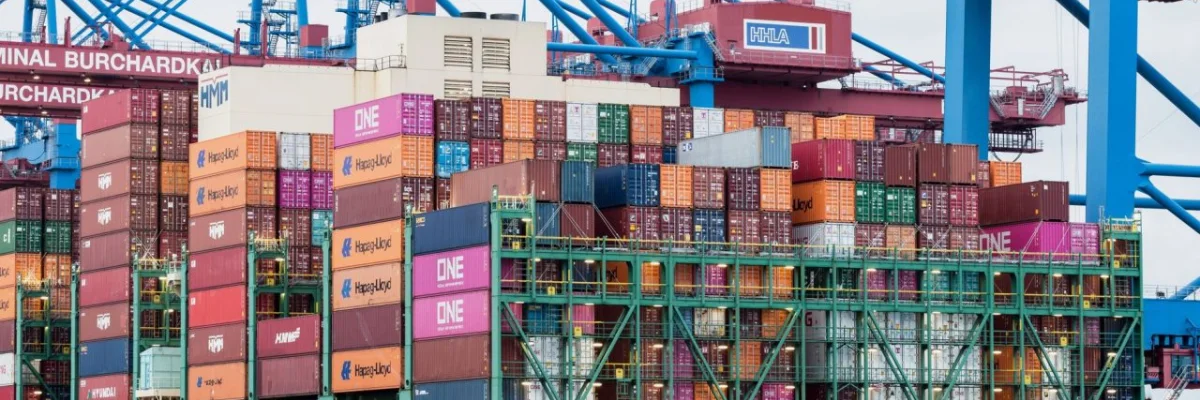
Freight forwarding is currently undergoing a massive transformation driven by the need for speed and digital precision. As global supply chains grow more complex, manual processes are no longer enough to maintain a competitive edge. Modern forwarders must leverage cloud-based platforms to orchestrate multi-modal shipments, manage regulatory compliance, and provide real-time visibility to demanding clients. By adopting scalable technology and refining internal workflows, logistics companies can reduce overhead costs while simultaneously improving service quality. This article explores essential operational pillars that help forwarders navigate today's unpredictable market landscape and secure long-term growth through smarter, data-driven decision making and automation.
Mastering Automated Documentation

Automated documentation transforms how logistics teams handle massive amounts of paperwork daily. By removing the need for manual data entry, your staff can focus on high-value tasks that drive revenue rather than getting stuck in tedious administrative loops.
- Reduced human errors: Automated validation tools cross-reference shipping data against client records to ensure complete accuracy, significantly lowering the risk of costly delays and potential penalty fees during customs clearance.
- Faster document processing: Digital platforms generate Bills of Lading and commercial invoices in seconds, allowing your team to dispatch essential paperwork to carriers and partners without unnecessary manual bottlenecks.
- Seamless data integration: Cloud software syncs directly with carrier systems to pull real-time information, keeping all your digital files updated automatically and accessible from any location across the globe.
- Enhanced compliance tracking: Built-in regulatory modules monitor shifting international trade requirements to ensure every document strictly adheres to current standards, minimizing the chance of shipments being flagged by authorities.
Adopting digital documentation is the first step toward creating a truly agile freight operation. By centralizing your files in the cloud, you eliminate the fragmentation that often plagues growing logistics companies. When every document is instantly searchable and secure, your team can resolve disputes or client inquiries in minutes, creating a seamless experience that reinforces trust and strengthens your professional reputation in the marketplace.
Achieving Real-time Cargo Visibility
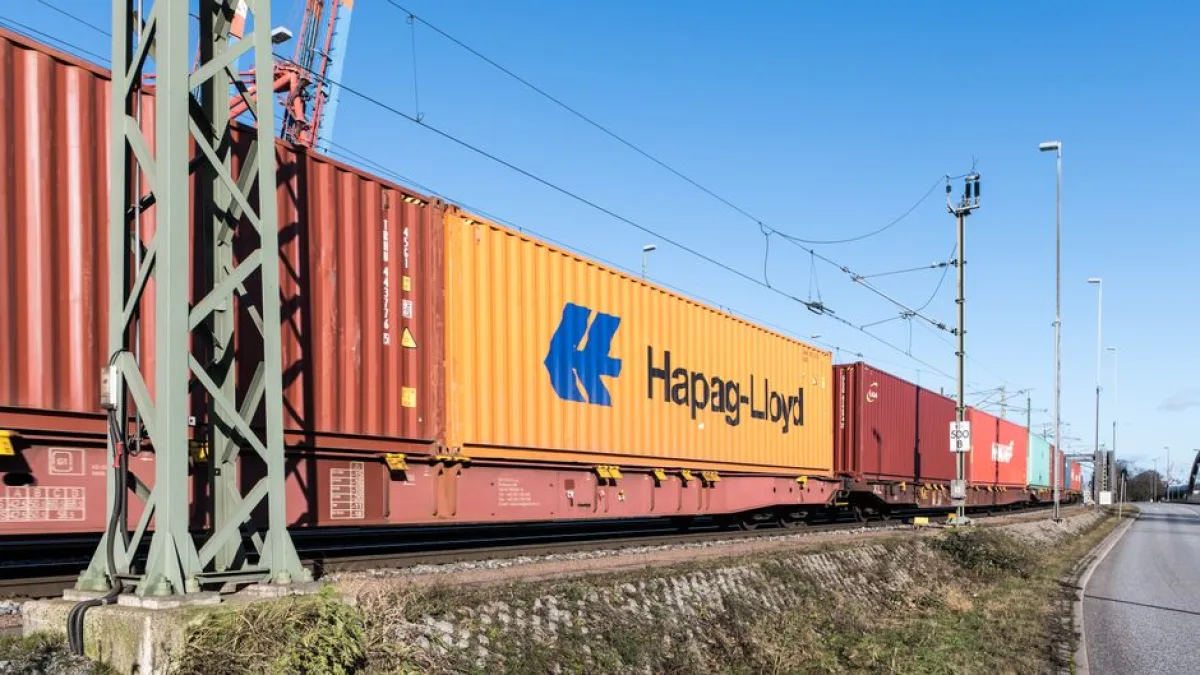
True visibility provides a clear line of sight into every stage of the shipment journey. Providing clients with live updates allows your team to manage exceptions proactively rather than reacting to problems after they have already caused significant delays.
- Live tracking updates: Integrated GPS and carrier APIs provide automated status alerts, ensuring that both your operations team and the end customers remain informed about exact cargo locations.
- Proactive delay management: Early warning systems detect potential bottlenecks before they escalate, giving you sufficient time to reroute shipments and avoid major disruptions to the client supply chain.
- Improved client transparency: Self-service customer portals allow shippers to view their own cargo progress, reducing the volume of status inquiry emails your customer support staff must manage.
- Historical data analytics: Tracking performance trends over time helps you identify carrier reliability issues, enabling smarter decisions when negotiating future shipping contracts and optimizing your primary logistics routes.
Visibility is not just a luxury but a fundamental necessity for modern shippers who demand total control. When you provide accurate, real-time insights into shipment progress, you distinguish your services from competitors still relying on manual status checks. This level of clarity fosters deeper customer loyalty and positions your company as a reliable partner capable of navigating today's complex and volatile global trade environment.
Streamlining Carrier Communications

Efficient communication is the backbone of successful freight management. When you streamline how your team interacts with carriers, you reduce the risk of information silos and ensure that every stakeholder stays aligned throughout the entire shipping process lifecycle.
- Unified communication logs: Centralizing all messages within the shipment file ensures that every team member has a complete history, preventing misunderstandings and ensuring smooth project handovers between departments.
- Automated carrier notifications: The platform automatically pushes shipment instructions and changes to carriers, which significantly accelerates the booking process and reduces time spent on repetitive phone calls.
- Standardized response workflows: Using predefined message templates for common inquiries ensures that your communication remains consistent and professional, saving valuable time during high-pressure periods of peak season.
- Collaborative partner portals: Providing carriers with dedicated access points allows them to update shipment status directly, ensuring that your internal data remains accurate without constant manual input.
Effective communication bridges the gap between complex logistical plans and flawless execution. By moving away from fragmented email threads and phone calls, you create a structured information flow that keeps every participant accountable. This clarity reduces friction in your daily operations, allowing your team to handle larger shipment volumes with higher efficiency and fewer mistakes, ultimately resulting in much higher overall operational profitability.
Scaling Through Cloud Infrastructure

Cloud infrastructure provides the necessary flexibility to scale your operations as demand changes. By leveraging software that grows alongside your business, you avoid the expensive hardware investments and maintenance headaches associated with older, legacy freight forwarding software systems.
- Unlimited user access: Cloud-based platforms support distributed teams by allowing secure logins from any web browser, enabling your staff to work efficiently from remote offices or home environments.
- Instant software updates: System enhancements and security patches are deployed automatically by your provider, ensuring your team always works with the latest features without requiring manual installations.
- Enhanced data security: Professional cloud environments offer robust encryption and automated daily backups, protecting your sensitive client information against cyber threats and unexpected local system hardware failures.
- Scalable service models: Flexible subscription plans allow you to adjust your resource consumption based on seasonal volumes, ensuring that you only pay for the capacity you truly need.
Investing in scalable cloud technology is essential for future proofing your freight forwarding business. As industry demands evolve, having a flexible digital foundation allows you to pivot quickly and implement new services without significant technical overhead. This agility is what separates market leaders from laggards. By embracing a cloud-first strategy today, you ensure your organization remains resilient, efficient, and ready for sustainable long-term success.
Conclusion

Mastering freight operations requires a combination of smart technology and optimized workflows. By automating documentation, ensuring total visibility, streamlining communication, and leveraging the cloud, you create a robust foundation for growth. Focus on these pillars to reduce costs, eliminate errors, and improve customer satisfaction. Now is the perfect time to evaluate your current processes and transition toward a more efficient, technology-driven future for your logistics firm.