Optimizing Freight Operations for Modern Logistics Success
Sunday, September 6 2026

Freight forwarding is currently undergoing a massive digital transformation as companies strive to improve efficiency in an increasingly volatile global supply chain. Manual processes and siloed data streams often create bottlenecks that hinder growth and customer satisfaction. By adopting cloud-based technology, forwarders can integrate complex workflows into a single interface. This shift not only reduces human error but also provides the real-time visibility required to make data-driven decisions. As competition intensifies, firms must prioritize operational agility to maintain high margins and secure their place in the future of the international logistics industry.
Streamlining Documentation Workflows

Handling thousands of documents every month requires precision to avoid costly customs delays and administrative errors. Modern software allows teams to digitize paperwork and ensure that every file is easily accessible, drastically reducing the time spent on manual data entry.
- Centralized document storage: Cloud systems house all shipping bills, invoices, and packing lists in a secure location, allowing teams to retrieve critical files instantly without searching through physical archives.
- Automated data extraction: Intelligent systems use optical character recognition to pull essential details from scanned documents, eliminating the need for manual typing and reducing human error rates significantly.
- Real time validation: Automated checks ensure that all documents meet regulatory standards before submission, which helps forwarders avoid penalties and prevents shipments from getting stuck at border crossings.
- Seamless collaboration tools: Multiple departments can access the same version of a document simultaneously, which improves internal communication and ensures everyone stays aligned on current shipment status updates.
- Audit trail history: Digital platforms record every modification made to a document, providing complete transparency and accountability for every stakeholder involved in the complex international shipping supply chain process.
By moving away from physical filing cabinets, forwarders gain significant time to focus on strategic growth rather than basic administration. Digitization minimizes the risks associated with lost paperwork and provides a reliable foundation for scaling operations. As technology evolves, companies that leverage these digital tools will find it much easier to scale their service offerings and maintain superior levels of precision for their clients.
Enhancing Real Time Visibility
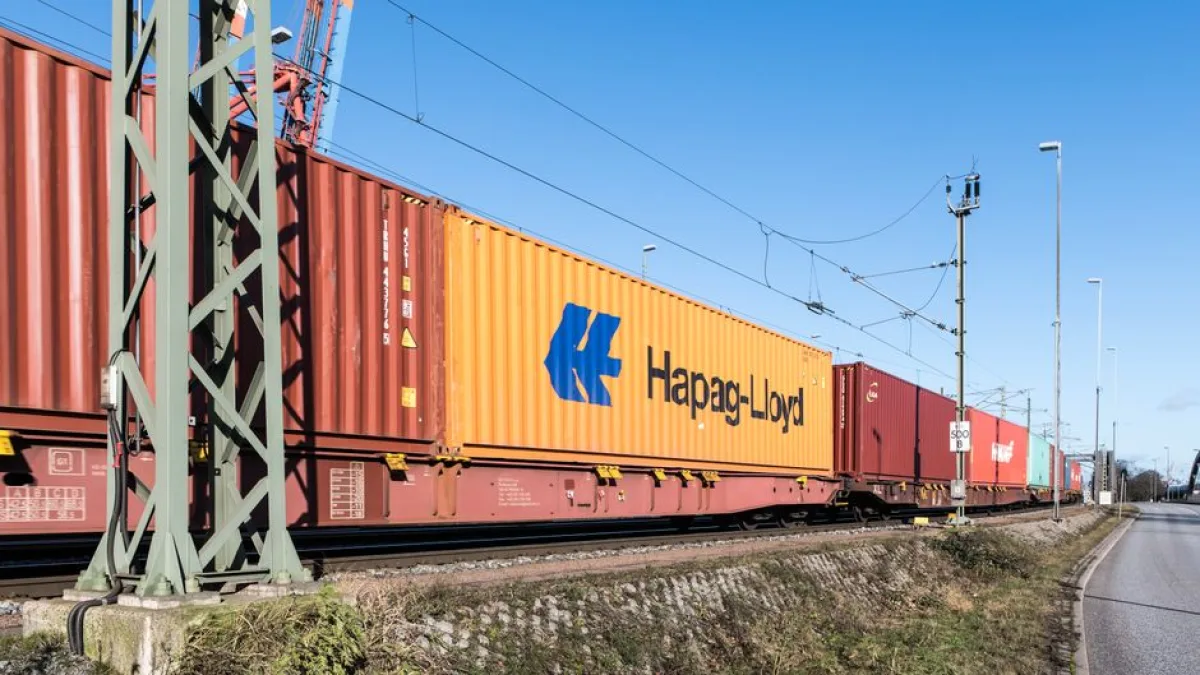
Customers today expect constant updates on their cargo locations throughout the journey. Providing accurate, real time status reports is no longer a luxury but a fundamental necessity for building long-term trust and professional credibility in the logistics sector.
- Integrated tracking modules: Advanced platforms aggregate data from carriers and port authorities to provide a single view of shipment status, ensuring clients receive accurate updates at every stage.
- Automated status notifications: Systems trigger automatic alerts to notify clients and team members about milestone changes, which reduces the volume of manual inquiry emails and phone calls.
- Interactive client portals: Dedicated login areas allow shippers to monitor their cargo status independently, which improves customer experience and lightens the daily workload for your support teams.
- Predictive delay analytics: Machine learning algorithms analyze historical shipping data to forecast potential delays, allowing forwarders to proactively inform clients and implement contingency plans before problems escalate.
- Carrier performance metrics: Monitoring transit times across different routes and partners helps teams identify reliable carriers, enabling more informed decision making when booking future shipments for global clients.
Transparent communication creates a competitive advantage that sets your firm apart from legacy competitors. When customers have access to precise data, their anxiety decreases, leading to higher retention rates and better business relationships. Implementing a robust tracking framework is a critical step for modern forwarders who aim to provide a premium service that justifies their fees while driving operational excellence consistently.
Automating Financial Management

Financial operations in freight forwarding are notoriously complex due to multi-currency transactions and varying fee structures. Automating these tasks ensures that invoices are generated accurately, allowing your accounting team to focus on cash flow management rather than processing.
- Instant invoice generation: Software automatically generates professional invoices based on pre-defined rate cards and shipment data, ensuring that billing is completed immediately after service delivery is finalized.
- Multi currency support: Automated platforms handle exchange rates and foreign currency calculations seamlessly, which simplifies accounting processes for international trades involving multiple global markets and local currencies.
- Automated payment reminders: Systems send friendly, automated follow-ups for outstanding invoices, which improves cash flow cycles and reduces the need for manual debt collection efforts by office staff.
- Expense tracking automation: Capturing and categorizing every cost associated with a shipment ensures accurate profit analysis, helping managers identify which routes or client projects are truly profitable.
- Seamless accounting integration: Connecting your freight software directly to accounting platforms eliminates the need for manual reconciliations, ensuring your financial reports are always accurate and ready for review.
Precise financial management is the backbone of any successful freight forwarding enterprise. By automating the billing process, you drastically reduce the risk of human error and late payments. This level of oversight provides leadership with a clear picture of company health, enabling smarter investment strategies and better resource allocation to ensure long-term stability and profitability within the challenging and fast-paced global marketplace.
Scaling Operational Efficiency

Scaling a freight forwarding business requires systems that grow alongside your volume. Without the right technology, increased order numbers often lead to team burnout and a decline in service quality, which can damage your reputation with loyal clients.
- Modular software architecture: Cloud platforms allow you to add new features or service modules as your business expands, ensuring that your tools remain relevant during rapid growth phases.
- Standardized operational workflows: Implementing consistent internal processes ensures that every team member follows the same high standards, which guarantees uniform quality regardless of the volume of shipments.
- Cloud based accessibility: Teams working from different global offices can access the same data and tools, facilitating true 24/7 operations that span across various time zones and regions.
- Scalable user permissions: Administrators can easily adjust access rights for new hires or partners, maintaining high security standards while ensuring that all staff have the necessary tools to perform.
- Continuous software updates: Cloud solutions receive regular feature updates and security patches, meaning your team always has access to the most advanced tools without requiring complex installations.
Investing in scalable infrastructure today prevents the massive headaches that come with rapid business expansion tomorrow. By prioritizing efficiency through cloud-based software, forwarders can handle higher volumes without sacrificing the quality of service that their clients demand. This approach ensures your business remains resilient and ready to capture new market opportunities while maintaining a lean and highly effective team across your organization.
Conclusion
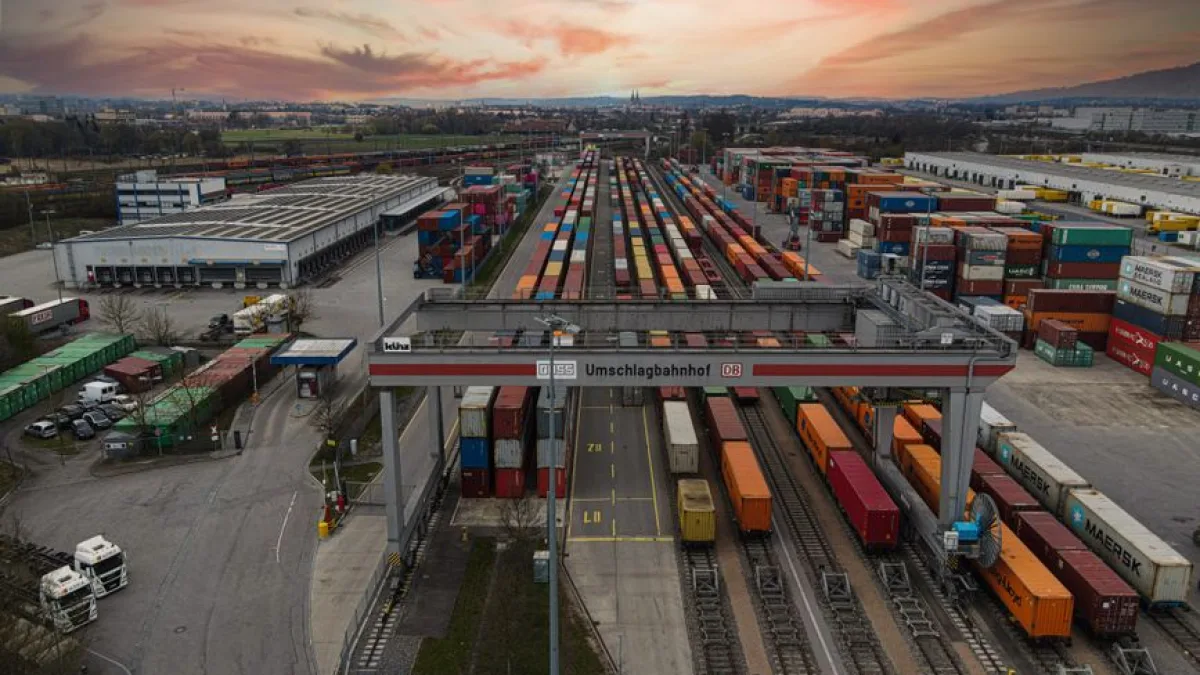
Optimizing freight operations through cloud-based technology is the most effective way to stay ahead in a competitive market. By streamlining documentation, improving visibility, automating finance, and ensuring scalability, forwarding firms can achieve higher efficiency and better client outcomes. Now is the time to evaluate your current processes and transition to digital solutions that empower your team to focus on what matters most.