Optimizing Freight Operations for Modern Logistics Success
Sunday, September 13 2026

Modern freight forwarding requires a delicate balance between complex global logistics and the rapid adoption of digital solutions. As supply chains face constant volatility, professionals must leverage advanced technology to maintain operational visibility and client satisfaction. Transitioning from legacy manual systems to cloud based platforms allows forwarders to automate repetitive tasks while focusing on high value decision making. By embracing agility and data driven strategies, your firm can effectively navigate market shifts and build stronger relationships with stakeholders worldwide. This guide provides actionable best practices designed to streamline your daily operations and position your freight forwarding business for scalable long term growth.
Streamlining Documentation Workflows

Digital documentation remains the backbone of successful freight logistics by ensuring that every shipment moves without unnecessary administrative delays. By standardizing your document filing and processing methods, your team can reduce errors, save countless hours of manual labor, and maintain compliance standards.
- Automated Data Entry: Implement smart software tools that extract data from bills of lading automatically to ensure high precision while reducing the human error associated with manual input tasks.
- Centralized Cloud Storage: Store all essential shipping documents within a secure cloud environment that allows team members to access critical information from any global location in real time.
- Electronic Signature Integration: Utilize digital signature tools to accelerate the approval process for customs forms, thereby eliminating the physical mailing delays that often hinder international freight trade cycles.
- Real Time Auditing: Conduct regular digital audits of your documentation workflow to identify bottlenecks that prevent your team from processing paperwork within the required industry time frames.
Efficient document management serves as a competitive advantage that defines your professional reputation in the logistics sector. By digitizing your entire workflow, you remove the reliance on paper files and physical storage units that consume valuable office space. This transition supports a more sustainable and organized business model, ensuring that your team stays focused on client service rather than searching for lost shipment papers.
Enhancing Carrier Communication

Strong partnerships with ocean, air, and road carriers are essential for managing global freight effectively under pressure. Clear communication channels help prevent misunderstandings during transit and ensure that your clients receive accurate updates about their cargo status throughout the entire journey.
- Unified Messaging Platforms: Use integrated messaging tools that consolidate communication with all carrier partners into a single dashboard to avoid losing vital information within cluttered email threads.
- Automated Status Updates: Configure your software to send automatic status notifications to carriers, which helps keep everyone aligned regarding pick up times and final delivery destination requirements.
- Standardized Response Protocols: Develop a clear set of communication templates that your team uses to request freight quotes, which helps carriers provide accurate pricing and schedule details.
- Feedback Loop Integration: Establish a structured method for collecting feedback from carriers regarding your operations to foster long term partnerships built on mutual transparency and trust.
When communication becomes seamless, your team gains the ability to resolve unexpected transit issues before they escalate into major customer complaints. Prioritizing these professional relationships builds a reliable network that will support your firm during peak seasons. Consistently clear interactions prove to your partners that you are a serious and professional operator capable of managing complex logistics challenges with total ease.
Utilizing Real Time Tracking
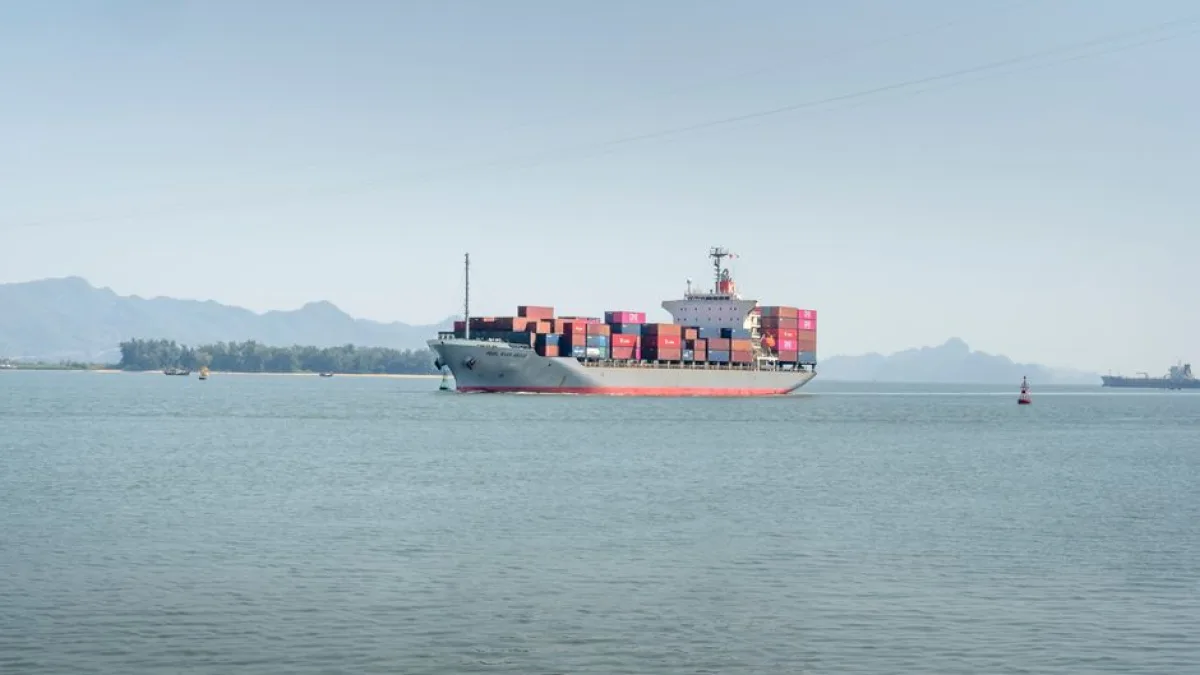
Real time tracking data provides the transparency that modern customers demand from their logistics providers. Having instant access to the exact location of cargo allows your team to act proactively whenever a shipment faces potential transit delays or route changes.
- GPS Integration Tools: Connect your software directly with satellite tracking systems to visualize the progress of ocean or road freight on a single digital map interface.
- Exception Management Alerts: Set up custom notification rules that trigger alerts when a shipment deviates from its planned path, allowing for immediate corrective action by staff.
- Client Visibility Portals: Create branded portals that allow your customers to check their own cargo status, which significantly reduces the time your staff spends answering routine calls.
- Data Driven Forecasting: Analyze historical tracking data to identify recurring transit delays, which allows your company to optimize routing choices for future client shipments more effectively.
Transparency is no longer an optional service feature but a mandatory requirement for maintaining client trust in the logistics industry. By providing high level visibility into every shipment, you differentiate your freight forwarding brand from competitors who still rely on manual status updates. This proactive approach to data management empowers your customers to plan their own inventory cycles with far greater precision.
Scaling Through Software Automation

Scaling your freight forwarding business requires shifting from manual processes to automated software solutions that handle high volumes of data. Automation allows your employees to dedicate their talent to complex problem solving instead of mundane data management tasks.
- Workflow Automation Rules: Define specific triggers within your freight platform to automate recurring billing and accounting tasks, ensuring that your financial records remain accurate and perfectly updated.
- Cloud Infrastructure Scalability: Choose cloud software solutions that allow you to expand your user seat count or storage capacity as your client base and volume grows.
- API Connectivity Features: Utilize robust API connections to integrate your freight forwarding software with external accounting and ERP systems for a seamless flow of business intelligence.
- Task Batching Methods: Organize repetitive operational tasks into batches that your system can process in one go, drastically increasing the speed at which your team functions.
Choosing the right technology stack determines how efficiently your business can scale in a highly volatile global market. When your software handles the heavy lifting of administrative tasks, your team can concentrate on strategic growth initiatives that drive long term profitability. Investment in automation is the single most effective way to prepare your freight forwarding operation for the future of global logistics.
Conclusion
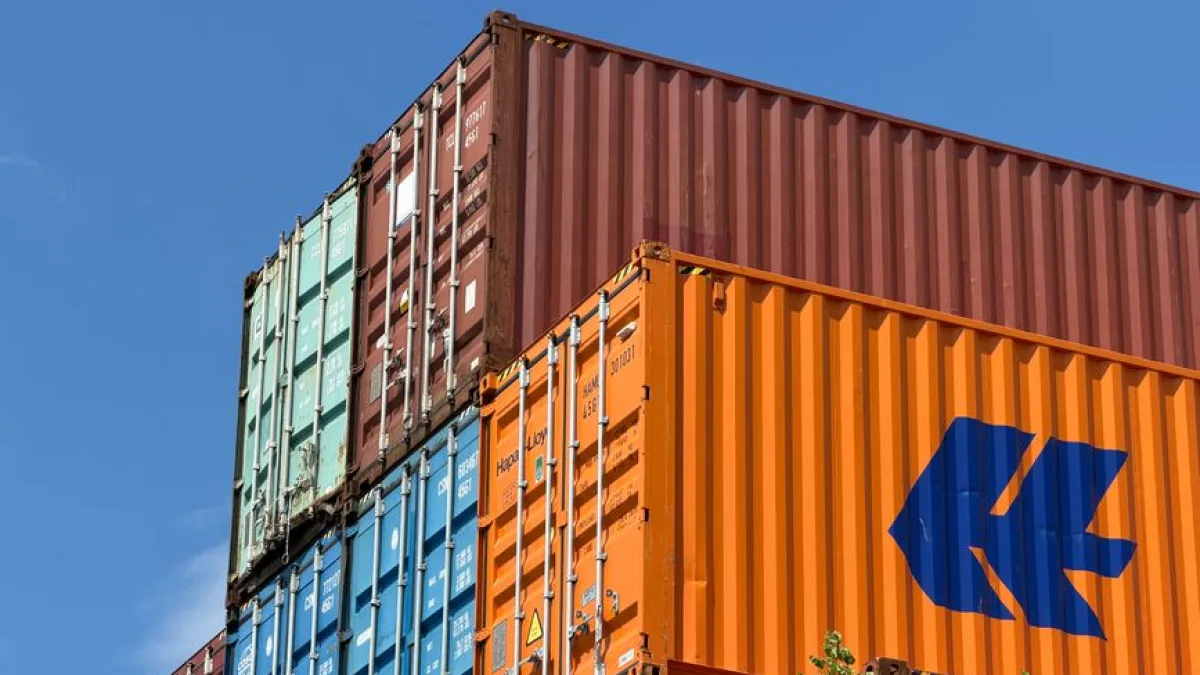
Optimizing your freight forwarding operations requires a combination of smart technology, clear communication, and a commitment to continuous process improvement. By implementing these best practices, your firm will operate with greater efficiency, lower administrative costs, and higher levels of customer satisfaction. Stay ahead of industry trends by refining your digital infrastructure regularly. Start optimizing your logistics operations with MakeCargo today for better results.