Optimizing Freight Operations for Modern Logistics Success
Thursday, September 17 2026

Modern freight forwarding requires a delicate balance between technical precision and rapid communication in a highly volatile global market. As supply chain complexities grow, professionals must move away from manual spreadsheets and legacy systems toward integrated digital ecosystems. By leveraging cloud-based platforms, forwarders can gain real-time visibility into shipments, automate repetitive administrative burdens, and enhance collaboration with partners across the globe. This shift not only reduces operational overhead but also builds significant resilience against market disruptions. Embracing digital transformation is no longer a luxury for freight companies but a fundamental necessity for staying competitive and profitable in today's fast-paced international trade environment.
Streamlining Documentation Workflows

Digital documentation management is the foundation of efficient cargo handling. By digitizing paperwork, logistics teams reduce the risk of human error while ensuring that customs compliance documents remain accessible and organized throughout the entire shipping lifecycle for all relevant stakeholders.
- Centralized document repository: Establish a single cloud source of truth to ensure all team members access the most current versions of manifests and bills of lading without searching emails.
- Automated data extraction: Use OCR technology to pull information directly from scanned documents into your core system to eliminate tedious manual entry and prevent potential transcription mistakes.
- Standardized filing protocols: Implement uniform naming conventions across your entire organization to help staff retrieve critical paperwork quickly during time-sensitive audits or urgent customs clearing processes.
- Secure access controls: Configure permission levels to protect sensitive client data while ensuring authorized partners can view specific files needed for their segment of the journey.
- Version history tracking: Maintain a complete log of all document updates to provide transparency and accountability throughout every stage of the international freight forwarding transaction process.
Optimizing your documentation workflow saves dozens of hours each month. When your team stops chasing paper files, they can focus on higher value tasks like customer relationship management and strategic route planning. This systematic approach reduces late fees and administrative delays, ultimately leading to higher customer satisfaction and improved margins. Adopting these habits creates a scalable foundation for your business to handle increased shipment volumes efficiently.
Enhancing Real Time Visibility
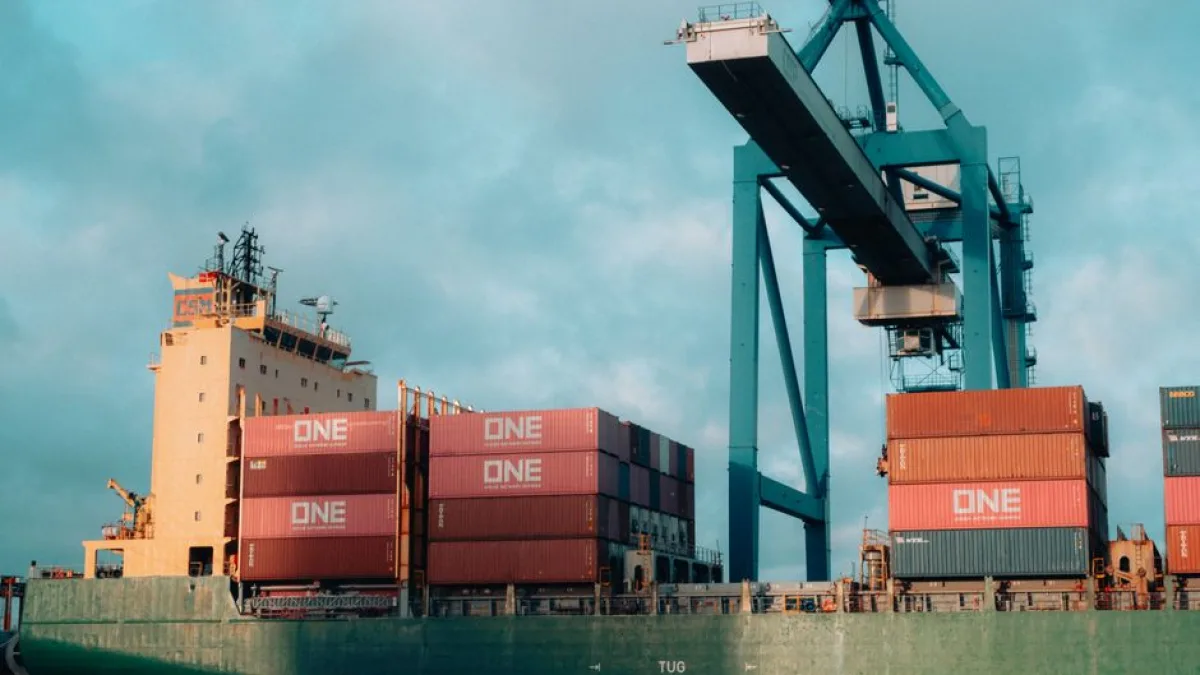
Providing clients with accurate shipment status updates builds deep trust and reliability. Visibility platforms allow forwarders to track cargo movements across oceans and borders, ensuring that every participant stays informed regarding exact location data and potential transit delays.
- Live tracking integration: Connect your software directly to shipping line portals to feed automated status updates into your dashboard for immediate visibility on every active booking.
- Proactive delay alerts: Configure automated notifications that warn your operations team about port congestion or vessel schedule changes before they impact the final delivery timeline.
- Customer portal access: Offer your clients a dedicated portal where they can view their shipment status independently, reducing the volume of inbound status inquiry phone calls.
- Milestone mapping tools: Visualize the entire transit path on a digital map to help identify bottlenecks and provide better estimated time of arrival projections for customers.
- Exception management dashboards: Utilize specialized views that isolate shipments experiencing delays, allowing your support staff to prioritize these tasks and provide timely, actionable problem resolution.
Real time visibility is the defining factor that separates market leaders from stagnant traditional forwarders. Clients today demand transparency and consistent data feeds rather than manual status requests. By investing in tracking technology, you empower your team to handle disruptions gracefully while keeping your customers calm and well informed throughout their journey. This level of service excellence is key to long term retention.
Optimizing Carrier Communication

Effective communication between forwarders and carriers prevents costly bottlenecks. Strengthening these partnerships through standardized digital messaging ensures that vessel space, capacity, and freight rates are negotiated and confirmed with accuracy to maintain a smooth flow of goods.
- Integrated messaging channels: Replace disjointed email threads with centralized communication tools linked directly to shipment records for easier tracking of all carrier negotiations and instructions.
- Standardized booking requests: Use templates to ensure all booking instructions contain complete, consistent information, reducing the need for carriers to request clarifications on basic shipment details.
- Rate management databases: Maintain an updated digital library of carrier contracts and spot rates to ensure you always select the most cost effective shipping options.
- Automated performance reviews: Track carrier reliability metrics such as transit time accuracy to inform your future selection processes and ensure you work with the best partners.
- Collaborative booking platforms: Utilize shared digital tools that allow carriers to confirm space bookings instantly, eliminating the common delays associated with manual back and forth communication.
Clear communication is the heartbeat of effective logistics operations. When you refine how you interact with carriers, you significantly reduce the friction that leads to shipment errors and unexpected costs. Developing these professional relationships through reliable digital channels ensures your logistics network remains stable even during peak season surges. Consistent interaction leads to better priority handling and preferential access to limited shipping capacity.
Leveraging Data Analytics

Data is the most valuable asset in the modern freight industry. By analyzing historical shipment patterns, forwarders can forecast seasonal capacity needs, identify unprofitable lanes, and make informed business decisions that drive sustained growth and operational performance improvements.
- Lane profitability analysis: Identify your high performing shipping routes and those that drain resources to better focus your sales efforts on the most profitable trade lanes.
- Performance trend reporting: Generate monthly dashboards that track key performance indicators to identify areas where your team needs additional training or better software tool support.
- Seasonality demand forecasting: Review historical shipping volumes to prepare your operations team for peak seasons and secure necessary space from carriers well in advance of demand.
- Customer behavior insights: Analyze which clients provide the most consistent revenue to tailor your loyalty programs and personalized account management strategies for high value partner accounts.
- Operational cost tracking: Monitor your overhead expenses relative to shipment volume to ensure you maintain healthy profit margins as your business scales over the long term.
Harnessing the power of your own data allows for proactive decision making rather than reactive firefighting. When you understand your metrics, you can confidently adjust your strategy to maximize profit and improve service quality. Use these analytical insights to eliminate inefficiencies and steer your company toward a more sustainable future. Data driven logistics is the core requirement for building a competitive, modern firm.
Conclusion
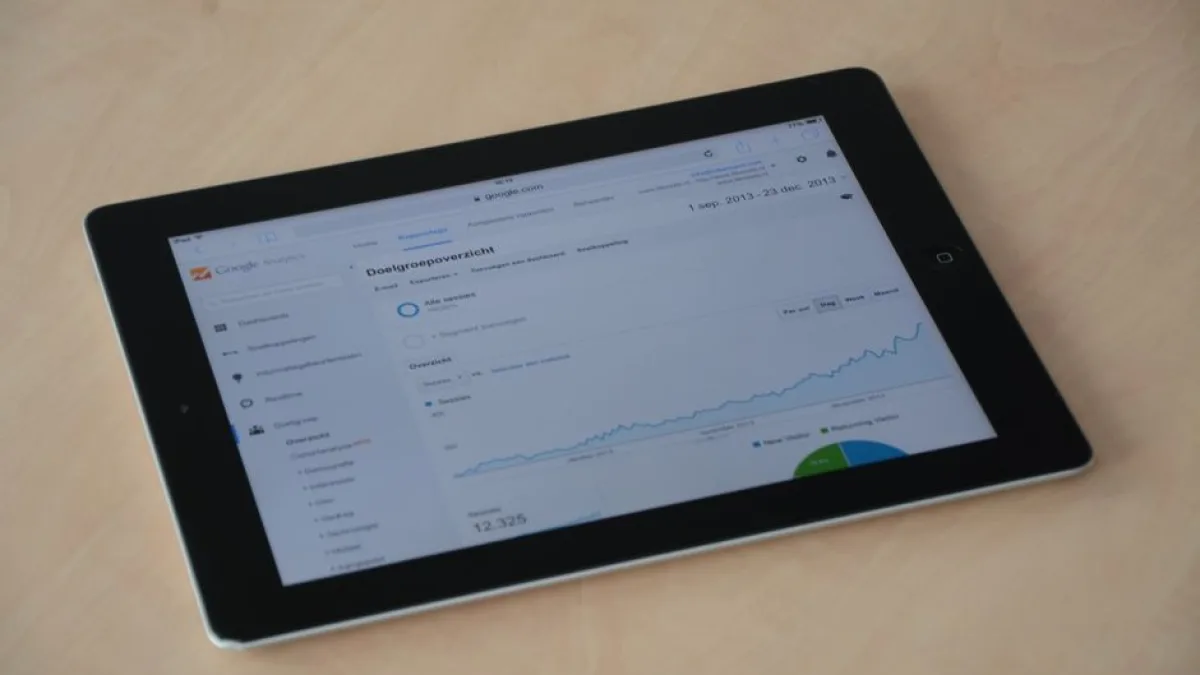
Success in modern freight forwarding relies on the seamless integration of digital tools and professional expertise. By optimizing documentation, enhancing visibility, refining carrier communications, and utilizing data analytics, you can build a more resilient logistics operation. Start implementing these best practices today to streamline your workflows and deliver superior value to your global clients. MakeCargo is here to support your digital transformation journey.