Optimizing Freight Operations for Modern Logistics Success
Thursday, September 17 2026
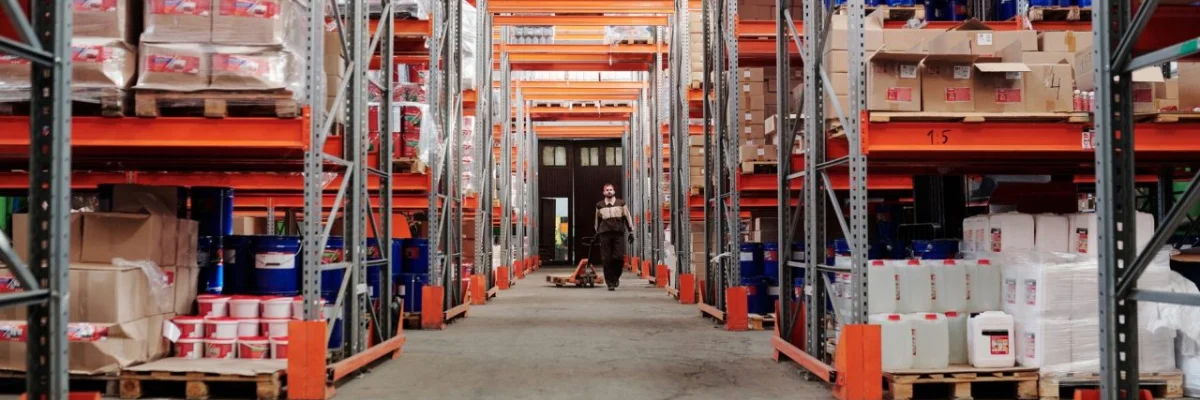
Freight forwarding is currently undergoing a massive transformation as global trade demands increased transparency and faster movement of goods. For forwarders, the pressure to maintain margins while navigating volatile market rates is higher than ever before. Success in this competitive industry requires a blend of advanced cloud technology and streamlined internal processes. By adopting modern software solutions, teams can reduce manual data entry errors and focus on delivering exceptional customer service. This guide explores how freight professionals can refine their operations to achieve greater productivity, higher shipping accuracy, and sustained profitability in a complex, data-driven global logistics environment.
Automating Documentation Processes

Documentation remains the backbone of international shipping, yet it often becomes a bottleneck when handled manually. Automating these repetitive tasks ensures that every bill of lading and customs invoice is processed without delay, significantly reducing the risk of costly administrative errors.
- Real-time data synchronization: Our cloud platform ensures that all shipment information flows instantly between parties, preventing communication gaps and ensuring that documents are always updated in real time for stakeholders.
- Optical character recognition: By leveraging smart scanning tools, agents can automatically extract critical information from paper documents, saving hours of manual data entry while simultaneously improving overall data accuracy.
- Compliance checks integration: Automated systems verify international trade regulations automatically, allowing forwarders to avoid penalties and delays that frequently occur due to incomplete documentation during the complex customs clearance process.
- Error reduction strategies: Standardizing data inputs through digital templates minimizes human errors, ensuring that every shipment moves through the supply chain with accurate, verifiable information that satisfies global carrier standards.
- Centralized document management: Storing all related files in a secure cloud database provides your team with instant access to historical shipments, facilitating faster audits and improved long-term relationship management.
By shifting away from legacy filing systems, forwarders can reclaim lost hours and focus on higher-value activities. Automation is not just about speed, but about creating a reliable audit trail that protects your company during disputes. As your operations become more efficient, your staff can manage larger volumes of cargo without needing additional personnel, allowing your business to scale profitably during peak market seasons.
Enhancing Carrier Communication

Effective collaboration with carriers is essential to keeping cargo moving without unnecessary holdups. Strengthening these relationships through digital portals allows for better visibility and faster response times when disruptions occur in the global supply chain or at major ports.
- Automated carrier notifications: Instant updates keep all parties informed regarding cargo status, which helps reduce the volume of incoming inquiries and allows your team to focus on resolving exceptions.
- Unified portal access: Providing carriers with a direct interface reduces the reliance on fragmented email chains, ensuring that everyone involved is looking at the same source of truth.
- Booking request efficiency: Standardized digital booking workflows allow you to send requests to multiple carriers simultaneously, drastically reducing the time spent waiting for manual confirmations or quote revisions.
- Dispute resolution tools: Integrated messaging systems attached to specific shipments ensure that correspondence is archived correctly, making it easier to resolve disagreements regarding detention or demurrage fees later.
- Proactive delay alerts: Real-time tracking software notifies you of potential carrier delays immediately, enabling you to alert clients and propose alternative routing options before problems escalate into crises.
Communication is the lifeblood of freight operations, and fragmented channels often lead to significant financial loss. When you transition to a unified communication platform, you ensure that every stakeholder is aligned from origin to destination. This professional approach fosters trust with your carrier partners, leading to better space allocation and more favorable pricing terms, which ultimately strengthens your position in the competitive freight market.
Optimizing Shipment Tracking

Real-time visibility is now a customer requirement rather than an optional luxury. Providing clients with accurate, live updates regarding the location and status of their cargo helps forwarders differentiate themselves and build long-term trust with their shipping partners.
- Live GPS tracking: Integrating satellite data into your dashboard provides precise coordinates for freight, allowing you to answer customer inquiries instantly with factual information rather than educated guesses.
- Milestone automated updates: Sending proactive alerts to clients whenever a shipment reaches a major transit point keeps them satisfied and reduces the burden of manual status reporting.
- Exception management visibility: Dashboards highlight shipments that deviate from the expected path, allowing your operations team to intervene early and mitigate potential delays before they impact delivery times.
- Client visibility portals: Providing customers with secure access to a custom tracking page increases transparency and empowers them to self-service, reducing administrative workload for your operations staff.
- Historical route analysis: Reviewing past performance data helps you identify recurring delays in specific transit lanes, allowing you to suggest faster or more reliable routing for future bookings.
Transparency is the most effective tool for client retention in the logistics industry. When clients can see the progress of their cargo at any hour of the day, their anxiety regarding supply chain disruptions vanishes. Using advanced tracking tools allows your team to maintain a proactive stance, turning potential service failures into opportunities for demonstrating your commitment to high-level professional service and reliability.
Data-Driven Decision Making

Data is the most valuable asset that modern freight forwarders possess, yet many fail to leverage it effectively. Using analytics to assess performance helps forwarders optimize their routes, improve financial forecasting, and identify new opportunities for growth in an evolving market.
- Financial margin monitoring: Analytics tools allow you to track the profitability of every shipment, identifying lanes or carriers that offer the best value for your specific business requirements.
- Performance KPI dashboards: Monitoring key performance indicators like on-time delivery percentages helps you evaluate staff productivity and carrier reliability, providing a clear roadmap for continuous operational improvement.
- Market rate intelligence: Analyzing current industry rate trends against your own internal booking data ensures that you remain competitive and can adjust pricing strategies quickly as markets shift.
- Capacity planning insights: By reviewing seasonal trends in your historical data, you can better prepare for peak season demand, ensuring your team has the necessary resources available.
- Operational bottleneck detection: Identifying which steps in your current workflow take the longest allows you to invest in targeted technology solutions that provide the highest return on investment.
Transforming raw data into actionable insights separates market leaders from stagnant competitors. By basing your strategy on concrete evidence rather than intuition, you reduce risk and increase operational agility. Consistent analysis of your key metrics creates a culture of continuous improvement, ensuring your freight forwarding business remains adaptable and highly profitable, no matter how the global economic landscape shifts in the coming years.
Conclusion
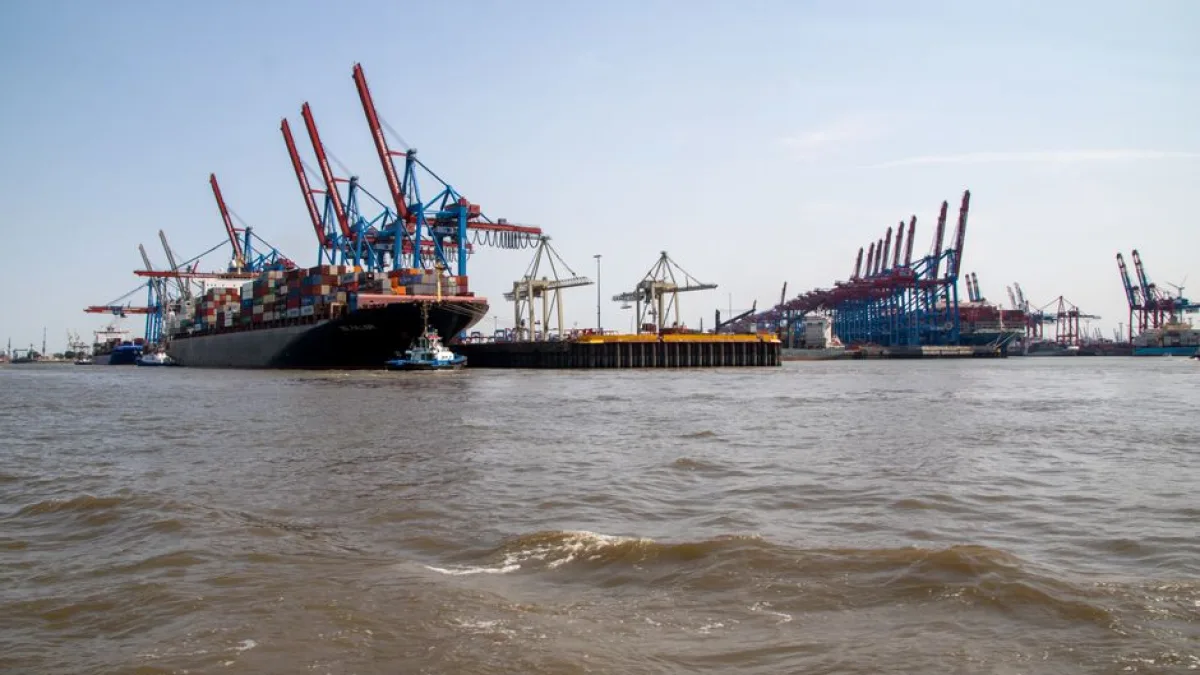
Success in freight forwarding depends on the ability to leverage technology to streamline complex operations. By automating documentation, enhancing communication, prioritizing shipment visibility, and embracing data-driven decision making, your team can achieve peak efficiency. Start implementing these strategies today to reduce your overhead and provide world-class service to your clients. Our cloud platform is designed to support you throughout this digital transformation journey.