Optimizing Freight Operations for Modern Logistics Success
Friday, September 18 2026
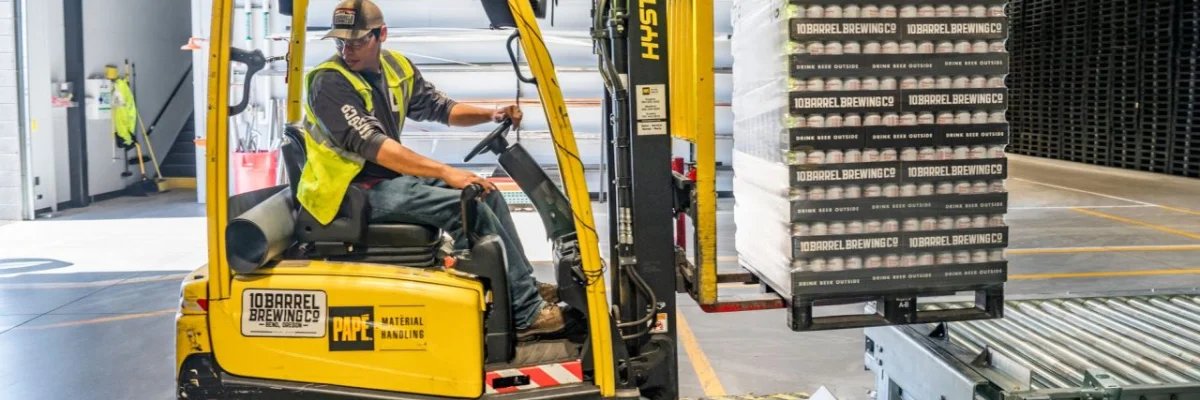
Freight forwarding is currently undergoing a massive transformation as global trade demands increased transparency and speed. Professionals in this sector face constant pressure to manage complex supply chains while maintaining profitability amidst fluctuating market rates and regulatory changes. Embracing cloud-based technology is no longer an optional upgrade but a core requirement for survival in this competitive landscape. By refining internal processes and leveraging real time data, forwarders can significantly enhance their operational efficiency. This guide explores the essential pillars of modern freight operations, providing actionable strategies to help your business scale effectively while ensuring seamless coordination across international borders and logistics networks.
Streamlining Documentation Workflows

Effective document management remains the backbone of successful freight operations. By transitioning from manual paperwork to automated digital systems, forwarders reduce the risk of human error and significantly accelerate the pace of customs clearance and shipment processing for all stakeholders involved.
- Centralized document storage: Cloud systems allow your team to store every bill of lading and commercial invoice in one secure location accessible to authorized personnel from any global office.
- Automated data entry: Smart software extracts key information from scanned documents automatically, which minimizes tedious manual typing and drastically reduces the occurrence of costly typos during entry.
- Version control protocols: Implementing strict versioning ensures that every staff member works from the most current document, preventing confusion that often stems from using outdated shipping information records.
- Secure document sharing: Encrypted sharing portals enable you to transmit sensitive shipping documents to customers and partners instantly, maintaining professional standards while keeping your proprietary logistics data secure.
Adopting these digital practices transforms how your team manages information. You no longer have to waste time searching through physical filing cabinets or endless email threads to locate a specific document. Instead, your staff can focus on high value tasks like relationship management. This shift leads to faster turnaround times for your clients and creates a more scalable workflow that supports your company growth objectives.
Enhancing Real-Time Tracking

Visibility is the primary currency of the modern logistics industry. Clients demand constant updates regarding their cargo status, and providing this information requires robust tracking tools that integrate seamlessly with carrier systems to provide accurate location data at every mile.
- Integrated carrier APIs: Connecting your software directly to major ocean and air carriers allows for the automatic synchronization of tracking updates without requiring constant manual status checks.
- Proactive exception alerts: Intelligent notification systems inform your team immediately when a shipment deviates from its planned schedule, allowing for rapid intervention before client satisfaction is compromised.
- Client visibility dashboards: Granting customers access to self-service tracking portals reduces the volume of status update inquiries, allowing your customer service team to focus on resolving issues.
- Geofence monitoring capabilities: Advanced tracking systems trigger notifications when cargo enters or leaves specific zones, ensuring that your team maintains precise control over your international supply chain.
True visibility requires more than just knowing a location. It involves translating data into meaningful action that improves service delivery. When you provide your clients with accurate, real time tracking information, you build trust and solidify long term partnerships. This proactive approach to logistics management distinguishes your firm in a crowded market, turning basic shipment monitoring into a powerful competitive advantage for your brand.
Optimizing Carrier Management

Building strong relationships with shipping lines and trucking partners is critical for securing capacity and favorable rates. Managing these interactions through a structured platform ensures that you always have access to reliable service providers, even during periods of heavy market congestion.
- Standardized rate management: A unified database stores all carrier quotations, making it simple to compare costs and service times side by side for any specific freight route.
- Performance tracking metrics: Keeping records of carrier reliability and transit times helps you make informed decisions when selecting partners for your most sensitive or urgent customer shipments.
- Automated booking requests: Digital booking platforms streamline the process of securing space on vessels, eliminating the back and forth communication that often delays your operational workflow progress.
- Dynamic cost analysis: Detailed reporting tools help you track spend across various carriers, ensuring that your procurement team always negotiates from a position of absolute data clarity.
Strategic carrier management moves beyond simple transactional dealings. It involves developing partnerships that survive market volatility and benefit both parties during challenging shipping seasons. By organizing your carrier data, you become a more attractive partner to shipping lines while simultaneously finding the best possible routes for your clients. This disciplined approach to vendor management is a hallmark of a mature and stable logistics firm.
Leveraging Advanced Data Analytics

The final pillar of success involves using historical data to drive future decisions. By analyzing trends in your own operational history, you can identify hidden patterns that reveal new opportunities for profit or areas where resources are being consistently wasted on inefficiencies.
- Historical trend analysis: Reviewing past shipment performance helps you forecast future capacity needs, enabling better planning during peak seasons when shipping space is at a premium rate.
- Profitability per route: Detailed reports allow you to identify which trade lanes provide the highest margins, helping you focus your marketing and sales efforts effectively moving forward.
- Operational bottleneck identification: Analytical software highlights specific steps in your workflow that consistently cause delays, providing the evidence needed to restructure processes and improve your speed overall.
- Automated report generation: Scheduled reporting ensures that management receives crucial performance data on a regular basis, removing the manual effort traditionally required to create these important documents.
Turning raw data into actionable insights is the ultimate goal for any freight forwarding firm. By continuously refining your strategies based on historical performance, you create an agile organization that adapts quickly to market changes. This analytical mindset fosters a culture of constant improvement. Your team will become more proactive, capable of solving complex logistics challenges before they evolve into major operational obstacles for clients.
Conclusion

Successful freight operations rely on the intelligent integration of technology and strategy. By streamlining documentation, improving visibility, managing partners effectively, and utilizing data, you position your firm for sustainable growth. Start refining your processes today to ensure your team remains agile in this fast moving industry. Reach out to MakeCargo to discover how our platform can help you master your freight operations effectively.