Optimizing Freight Operations for Modern Logistics Success
Sunday, September 20 2026

The global supply chain landscape is evolving at an unprecedented pace, placing significant pressure on freight forwarders to enhance their operational efficiency. To remain competitive in this digital era, businesses must move beyond legacy systems and adopt agile, data-driven approaches to logistics management. This shift is not merely about upgrading software but fundamentally changing how your team approaches documentation, customer communication, and carrier partnerships. By focusing on workflow automation and real-time visibility, forwarders can mitigate risks, reduce manual errors, and provide a superior client experience that builds long-term loyalty in an increasingly crowded and volatile market environment today.
Embrace Digital Workflow Automation

Transitioning from manual data entry to automated workflows allows your team to focus on high-value tasks that drive revenue rather than getting bogged down in repetitive paperwork. Digital transformation serves as the backbone for modern scaling.
- Automated Documentation Processing: Eliminate human error by utilizing intelligent software that captures data from shipping documents automatically and transfers it directly into your centralized management system without manual intervention.
- Streamlined Approval Pipelines: Create standardized digital approval paths for quotes and invoices to ensure that every stage of the shipment process is verified and approved by the right stakeholders.
- Workflow Task Scheduling: Assign automated reminders to team members for critical deadlines, ensuring that no shipment remains stagnant due to oversight or lack of internal communication.
- Customer Self-Service Portals: Reduce your support team workload by providing clients with secure access to their real-time shipment data, status updates, and historical records through a branded web interface.
Adopting these automated processes significantly reduces the time spent on administrative tasks while simultaneously improving the accuracy of your logistics data. By removing bottlenecks in your daily operations, you empower your staff to handle higher shipment volumes without increasing overhead costs. This operational agility is essential for maintaining a strong competitive edge while delivering reliable service to your diverse client base every single day.
Leverage Real-Time Visibility Tools
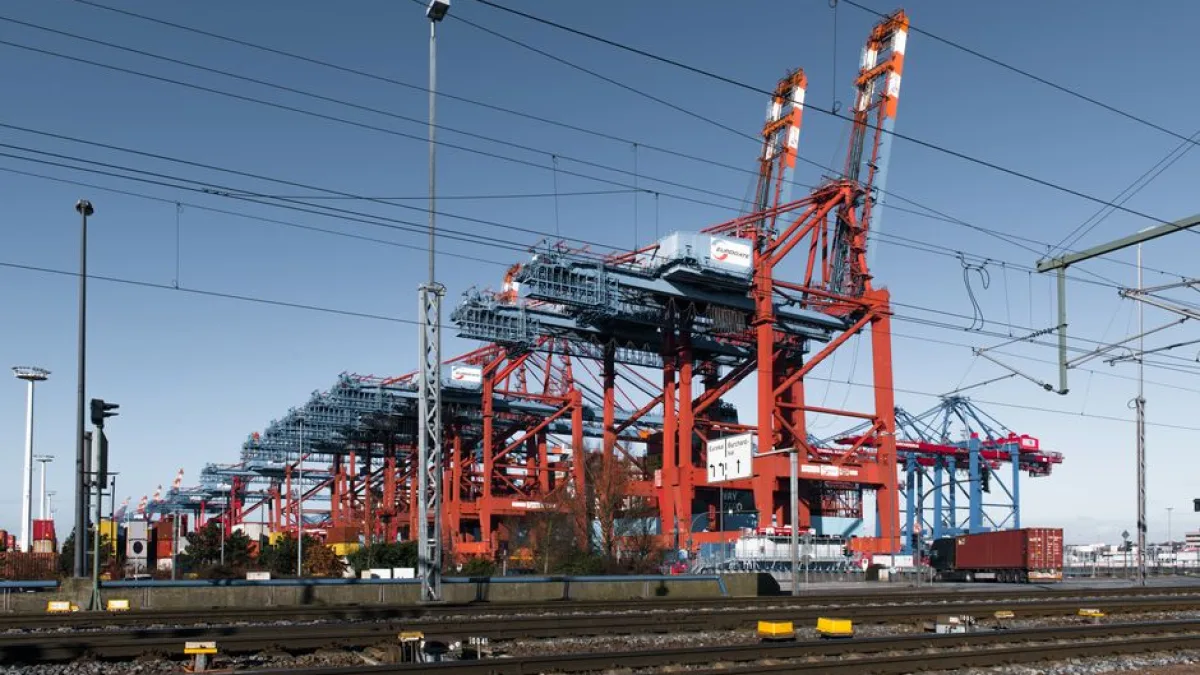
Real-time visibility is no longer a luxury but a fundamental requirement for forwarders aiming to provide transparent tracking experiences. Clients now demand instant access to their cargo locations and statuses throughout the entire complex international shipping lifecycle.
- Live Shipment Tracking: Integrate your software with global carrier APIs to provide clients with accurate, up to the minute tracking data for ocean, air, and road freight shipments.
- Proactive Exception Management: Utilize automated alerts that notify your operations team immediately when a shipment delay occurs, allowing you to address issues before clients even become aware.
- Digital Milestone Notifications: Send automated email or text updates to your customers whenever their cargo passes a key milestone, fostering trust and reducing constant inbound status inquiries.
- Data Driven Performance Insights: Analyze tracking history to identify recurring bottlenecks in specific transit lanes or with certain carriers, enabling you to optimize your future routing strategies effectively.
By providing granular visibility, you demonstrate professional competence and maintain transparency throughout every journey. This proactive approach to logistics management prevents surprises and positions your business as a reliable partner capable of navigating complex global trade challenges. Clients value the peace of mind that comes with knowing their assets are being monitored by a sophisticated platform that prioritizes their shipment integrity.
Optimize Carrier Partnership Management
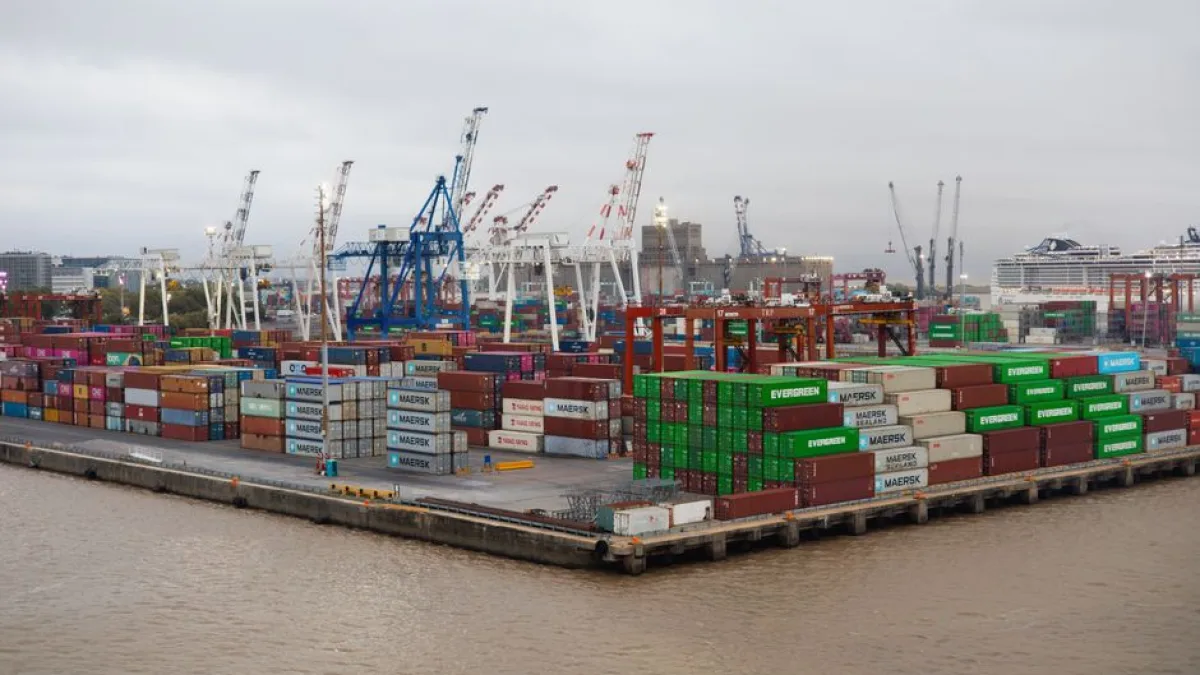
Building strong relationships with your carrier network is vital for securing competitive rates and reliable space allocation. Managing these partnerships effectively requires a systematic approach to communication and data sharing to ensure mutual long-term success for both parties.
- Centralized Carrier Database: Maintain an organized registry of carrier contacts, rate sheets, and performance histories to ensure that your team always selects the best partner for cargo.
- Efficient Rate Management: Use digital tools to store and compare carrier quotes quickly, ensuring you can offer the most cost-effective and efficient transit options for customers.
- Standardized Communication Channels: Streamline your interactions with shipping lines and trucking firms through a unified platform that keeps all negotiations and booking details in one place.
- Performance Review Tracking: Monitor carrier reliability regarding lead times and pricing consistency to make informed decisions about future allocations and contract negotiations for your firm.
Solidifying these relationships through clear communication and accurate documentation creates a foundation for better service levels during peak season volatility. When you treat carriers as strategic allies rather than just vendors, you gain better access to capacity and improved problem resolution when disruptions arise. Ultimately, these robust professional partnerships ensure that your clients receive the consistent quality of service they expect and deserve.
Ensure Compliance and Regulatory Rigor

Navigating the complex maze of global customs regulations requires constant vigilance and strict attention to detail to avoid costly penalties and shipment seizures. Maintaining a robust compliance framework is non-negotiable for modern freight forwarding organizations everywhere.
- Integrated Compliance Checks: Use automated software tools that scan shipping data against updated international trade regulations, ensuring that all necessary declarations are accurate and filed on time.
- Digital Record Keeping: Securely store all customs clearance documents and tax records in a cloud-based repository that allows for quick audits and easy retrieval when required.
- Dynamic Regulatory Updates: Set up your logistics system to receive automatic notifications about changing trade policies or safety standards that might impact specific routes or cargo.
- Standardized Filing Procedures: Implement uniform processes for documentation submission to minimize errors and ensure that your team meets the unique requirements of every destination country.
Operating with a high degree of regulatory rigor protects your company from legal risks and enhances your reputation as a trusted service provider. When your documentation is consistently flawless, customs inspections move faster, and your cargo flows without unnecessary delays. Investing in compliance software is ultimately a proactive step toward protecting your business longevity and your hard earned client trust worldwide.
Conclusion

Mastering these best practices transforms your freight forwarding operations from a reactive setup into a proactive growth machine. By prioritizing automation, visibility, strong carrier partnerships, and strict compliance, your firm gains the agility required to thrive in a globalized economy. Start integrating these strategies within your workflow today to improve service quality, lower your internal costs, and secure a brighter future for your logistics business.