Optimizing Freight Operations for Modern Logistics Success
Sunday, September 27 2026
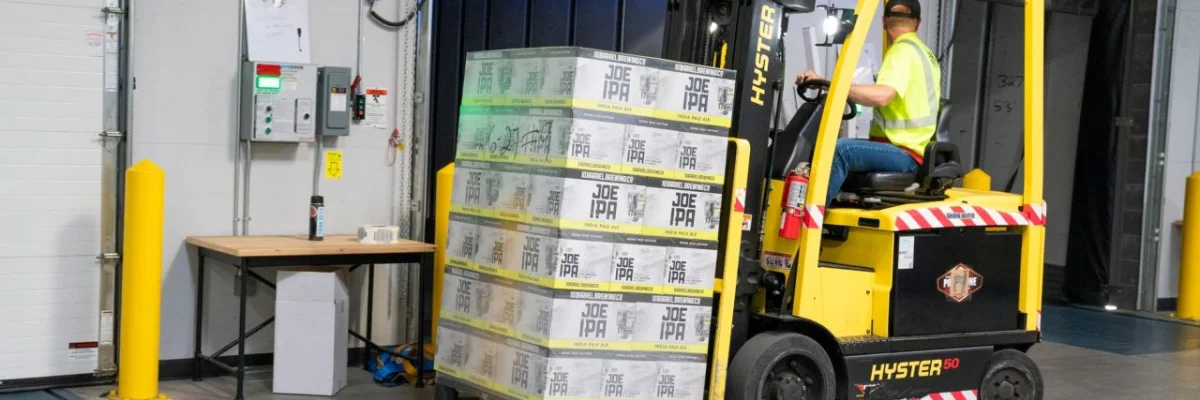
The global supply chain landscape is evolving at an unprecedented pace, placing significant pressure on freight forwarders to enhance their operational efficiency. To remain competitive in this digital era, professionals must leverage advanced technology to streamline communication, reduce manual errors, and improve overall transparency. Modernizing your workflow is no longer just a technical upgrade but a strategic necessity for sustainable growth. By adopting cloud-based solutions and data-driven insights, firms can navigate complex logistics challenges with agility. This article outlines essential best practices designed to help you optimize your freight forwarding processes, improve customer satisfaction, and achieve greater profitability in a crowded market.
Digitizing Operational Workflows

Transitioning from paper-based systems to digital platforms is the first step toward achieving operational excellence in logistics. Digital tools provide a centralized source of truth, enabling teams to manage documentation and shipment tracking with accuracy and real-time visibility across all departments.
- Centralized document management: Consolidate all shipping documents, invoices, and customs paperwork within a secure cloud platform to ensure that your global team accesses the correct files in real time.
- Automated task tracking: Implement automated workflows that trigger notifications for key shipping milestones, which helps your staff manage deadlines effectively while reducing the risk of manual oversight errors.
- Standardized data entry: Adopt uniform data entry procedures across your logistics platform to improve reporting accuracy and ensure that internal communications remain clear and professional for every shipment.
- Integrated communication portals: Use digital portals to facilitate seamless interactions between agents, carriers, and clients, ensuring that every project participant stays updated through a single, reliable communication hub.
Adopting digital workflows provides the necessary foundation for scaling your freight forwarding business efficiently. By eliminating redundant data entry and consolidating fragmented files into a single system, your staff can focus on high-value client interactions rather than administrative maintenance. This shift significantly reduces operational costs while improving the speed of information flow, directly translating to a better service experience for your global logistics partners.
Improving Shipment Visibility
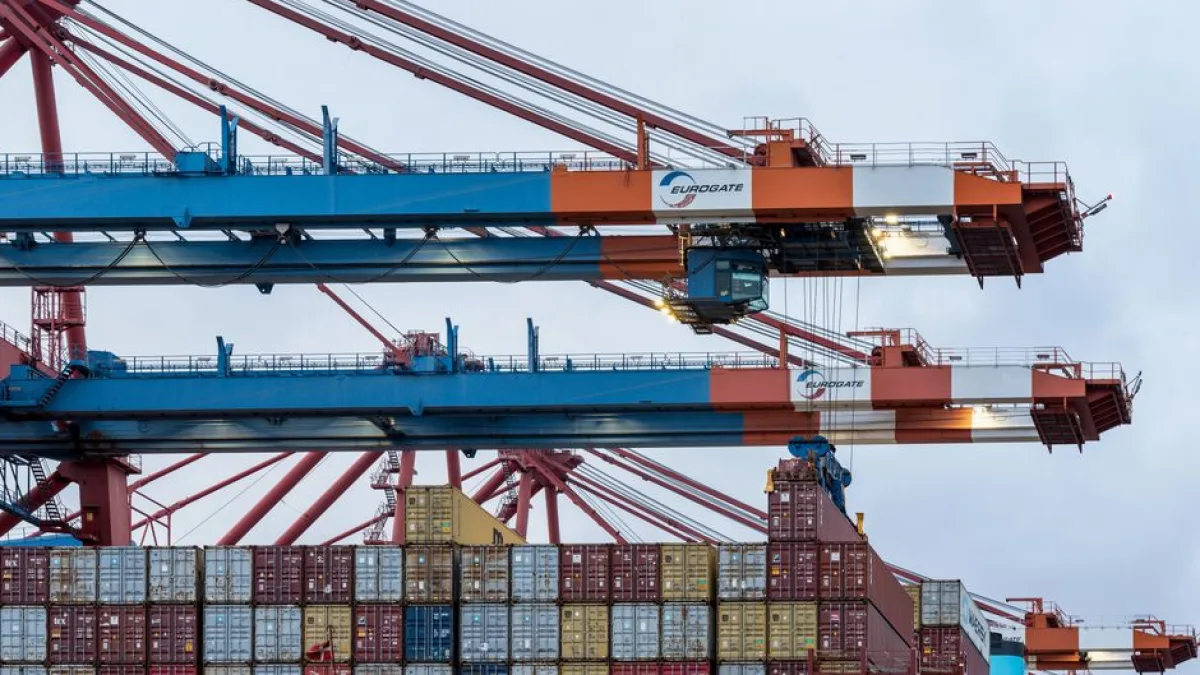
Real-time visibility into the movement of goods is critical for managing client expectations in the freight industry. Providing precise tracking information allows forwarders to proactively handle delays and disruptions before they impact the final delivery schedule for their valuable cargo.
- Real-time status updates: Integrate tracking APIs directly into your software to provide clients with live updates on their shipments, thereby reducing the volume of inbound status inquiries.
- Predictive delay alerts: Utilize data analytics to identify potential disruptions in transit routes, allowing you to suggest alternative solutions to clients well before an actual delay happens.
- Transparent client reporting: Create automated reports that highlight shipment milestones and performance metrics, helping you build long-term trust through consistent and honest communication regarding cargo status.
- Carrier performance analysis: Monitor carrier reliability through historical data to select the most efficient partners, ensuring that your clients receive the highest standard of service on every shipment.
Superior visibility is the hallmark of a professional freight forwarder that clients trust repeatedly. By leveraging modern tracking technology, you turn uncertainty into a competitive advantage that sets your service apart from traditional competitors. This commitment to transparency ensures that your clients feel in control of their supply chain, leading to higher retention rates and a stronger reputation in the logistics industry.
Strengthening Carrier Relationships

Building strong, reliable relationships with carriers is a core pillar of a successful freight forwarding strategy. When you maintain positive partnerships with transportation providers, you gain better access to capacity and improved service levels, even during peak market conditions or seasonal demand surges.
- Consistent communication cycles: Establish regular check-in routines with your primary carriers to discuss capacity requirements, market trends, and performance feedback to keep both parties aligned on objectives.
- Fair payment practices: Maintain a reputation as a reliable partner by prioritizing timely payments and transparent billing processes, which incentivizes carriers to give your freight priority treatment.
- Collaborative problem solving: Work closely with your carrier network to address logistical challenges together, creating a collaborative environment that fosters loyalty and long-term commitment from transport providers.
- Capacity planning reviews: Share your upcoming volume projections with key carriers early, allowing them to allocate necessary assets for your shipments and avoiding potential last-minute capacity shortages.
Cultivating robust relationships with carriers ensures that your logistics operations remain resilient despite market volatility. By acting as a partner rather than just a customer, you secure your place in the priority queue when transport capacity becomes limited. These strong connections result in faster transit times and more flexible service options, which ultimately benefits your end clients and strengthens your overall operational market position.
Enhancing Compliance Management

Navigating the complex landscape of international trade regulations requires a proactive approach to compliance. Freight forwarders must ensure that all documentation is accurate and compliant with local laws to prevent costly delays, heavy fines, or legal issues during the international transit process.
- Automated compliance checks: Incorporate software features that automatically flag missing or incorrect data fields on customs declarations, ensuring that every document meets international trade standards before submission.
- Updated regulatory monitoring: Subscribe to professional industry newsletters or legal databases that provide real-time updates on changing customs regulations to keep your documentation processes current and compliant.
- Employee training programs: Conduct quarterly training sessions for your operations team to keep them informed about new legal requirements, trade policies, and internal compliance protocols within your firm.
- Secure audit trails: Maintain digital records of every compliance-related decision and document submission, providing a clear history that simplifies the audit process during potential regulatory reviews or inspections.
Prioritizing compliance is essential for mitigating risk and protecting your firm from unforeseen operational disruptions. By implementing these rigorous standards, you provide a safe and reliable service that gives your clients peace of mind. Keeping your documentation processes error-free demonstrates professional maturity and ensures that your business remains compliant with the constantly evolving international trade laws across different regions and shipping ports.
Conclusion

Implementing these best practices will help you build a more efficient, transparent, and compliant freight forwarding business. By digitizing workflows, improving shipment visibility, fostering strong carrier relationships, and strictly managing compliance, you position your firm for long-term success. Focus on integrating these strategies into your daily operations to drive growth. Start streamlining your processes today with MakeCargo to see immediate results.