Optimizing Freight Operations for Modern Logistics Success
Tuesday, September 29 2026
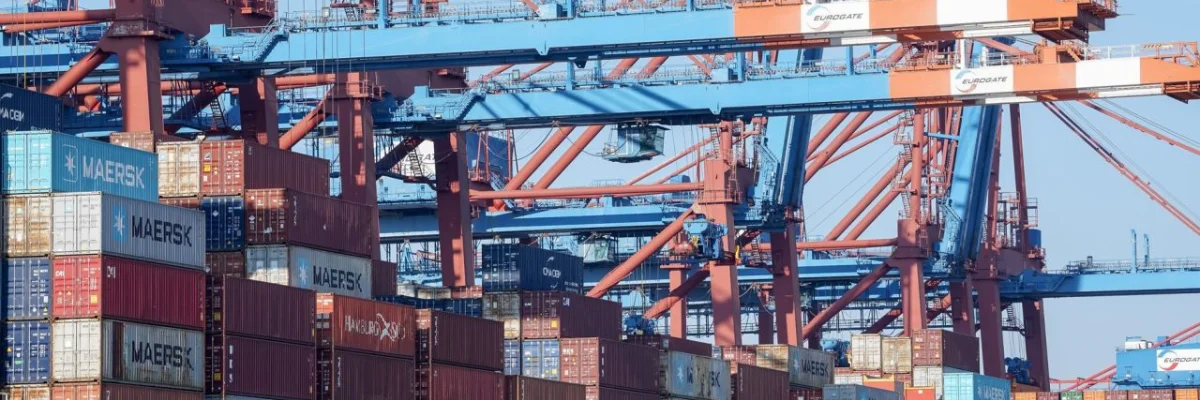
Freight forwarding is currently undergoing a massive digital transformation as global supply chains face unprecedented pressure from fluctuating demand and complex regulatory requirements. Forwarders who rely on outdated manual processes struggle to maintain visibility and efficiency in a volatile market. By leveraging cloud-based platforms like MakeCargo, logistics professionals can centralize their data, automate repetitive tasks, and provide superior service to their clients. This article explores how strategic operational improvements can transform your business, reduce overhead costs, and build a resilient foundation for sustainable growth in an increasingly competitive and fast-paced global logistics landscape.
Streamlining Documentation Workflows

Managing complex documentation remains a significant bottleneck for many freight forwarders. Digital systems allow teams to replace physical paperwork with automated document generation and cloud storage. This transition minimizes human error, improves data accuracy across the entire supply chain, and ensures compliance with international trade regulations while accelerating the overall booking process for every client.
- Automated Data Entry: Implement systems that automatically extract information from bills of lading or invoices to reduce manual typing errors and save valuable staff hours every single day.
- Centralized Digital Storage: Maintain a single source of truth by storing all shipping documents in one secure cloud location accessible to authorized team members from anywhere worldwide.
- Standardized Document Templates: Use pre-defined templates for essential shipping forms to ensure professional consistency and compliance across all your operational shipments throughout the entire fiscal year cycle.
- Instant Client Sharing: Provide clients with immediate access to their digital documentation through secure portals, enhancing transparency and improving overall satisfaction levels regarding your shipping service quality.
Adopting digital document management is no longer optional for firms aiming to scale their operations effectively. By removing the reliance on paper-based files, you empower your staff to focus on high-value tasks that drive revenue and growth. This strategic shift not only reduces operational bottlenecks but also creates a more responsive service model that can handle higher shipment volumes without adding excessive administrative overhead costs.
Enhancing Real-Time Shipment Visibility
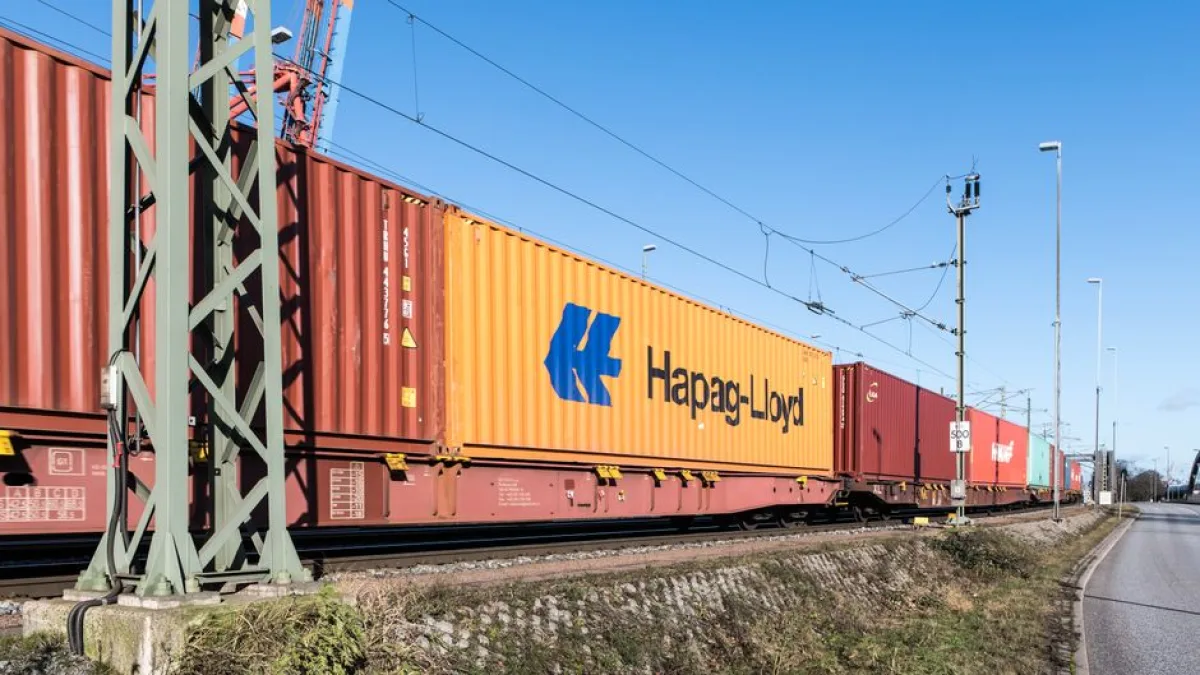
Visibility is the backbone of modern freight forwarding services. Customers expect instant status updates regarding their cargo locations. Utilizing live tracking integrations allows forwarders to provide precise information, reducing the volume of status inquiries and building long-term trust through consistent and reliable communication throughout the transit process.
- Live Tracking Integration: Connect your platform directly with carrier APIs to receive automatic status updates on every shipment in transit without needing to perform manual status checks.
- Automated Status Alerts: Configure your system to send proactive email or SMS notifications to clients whenever a major milestone in their cargo journey is reached during transit.
- Exception Management Tools: Utilize advanced monitoring features to identify potential delays early, allowing your team to proactively communicate issues and offer alternative solutions before problems escalate further.
- Interactive Client Portals: Offer customers an easy-to-use dashboard where they can track their freight in real-time, which significantly reduces the time your team spends answering status emails.
Proactive visibility serves as a key differentiator in a crowded logistics market. When you provide clients with accurate, real-time data, you demonstrate professional competence and operational reliability. This level of transparency prevents the common frustrations associated with lost or delayed cargo. By prioritizing visibility, you position your freight forwarding business as a modern partner capable of navigating complex international routes with total confidence and control.
Optimizing Carrier Procurement Processes
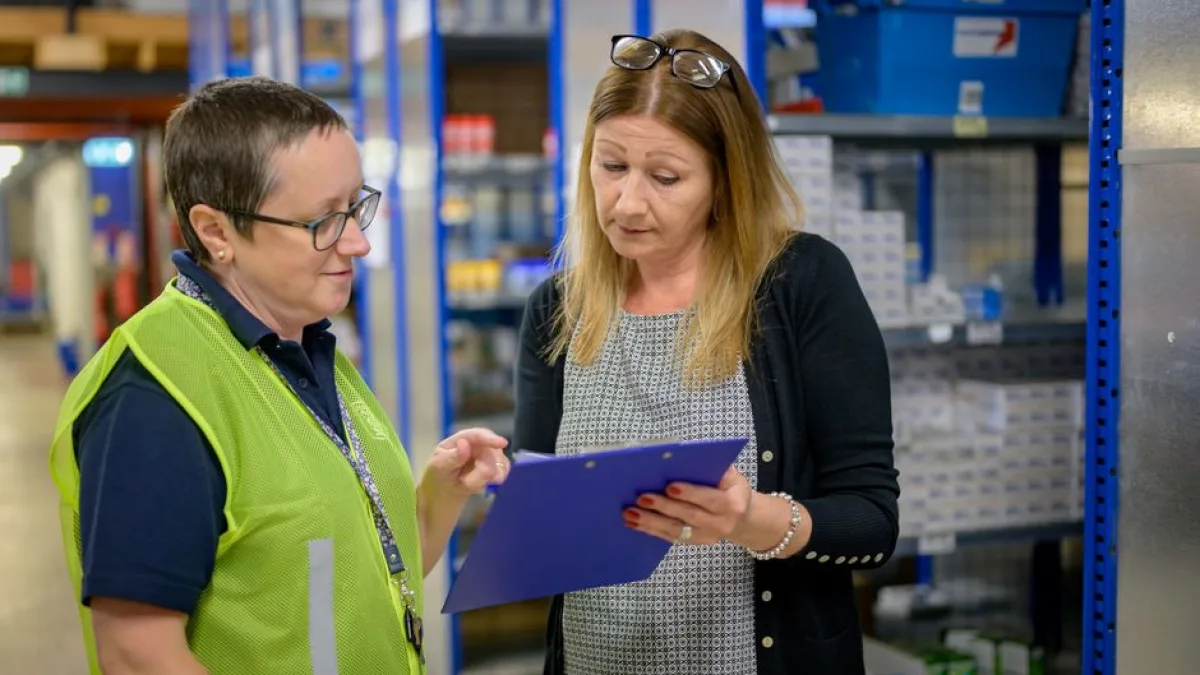
Effective carrier procurement is essential for maintaining healthy profit margins. Forwarders must compare rates and capacity across multiple providers to secure the best deals for their clients. Modern platforms simplify this by aggregating carrier data, allowing for faster rate comparisons and smarter selection based on performance, pricing, and specific regional capacity requirements.
- Rate Aggregation Engines: Consolidate quotes from multiple sea, air, and land carriers into a single interface to compare prices and transit times quickly for every specific shipment.
- Performance Based Selection: Evaluate carrier reliability by tracking historical performance data, ensuring you choose partners who consistently meet their deadlines and protect your reputation with clients.
- Automated Quoting Tools: Generate accurate freight quotes for your customers in seconds by pulling live carrier rates into your system, which increases your overall conversion rate significantly.
- Capacity Planning Software: Utilize analytical tools to forecast your shipping capacity needs during peak seasons, helping you secure space with carriers well before market prices skyrocket.
Strategic procurement turns your carrier network into a competitive advantage rather than just a cost center. By using data-driven insights, you can negotiate better terms and ensure that your shipping costs remain competitive while maintaining high service levels. When you automate the quoting and booking cycle, you reduce the time spent on administrative labor, allowing your team to focus on strategic route planning.
Scaling Operations Through Automation

Scaling a freight forwarding business requires robust systems that do not break under pressure. Automation enables you to handle higher transaction volumes without a linear increase in headcount. By automating repetitive tasks like invoicing, booking confirmations, and reporting, you create an agile environment where your team can handle complexity and grow alongside your expanding client list effectively.
- Automated Financial Invoicing: Generate and send invoices immediately upon cargo departure, ensuring faster payment collection and improved cash flow management across your entire business unit for clients.
- Custom Reporting Dashboards: Create automated performance reports that visualize your operational data, providing clear insights into your margins, carrier performance, and overall team productivity on demand.
- Workflow Task Triggers: Set up internal notifications that remind team members of pending tasks or expiring documents, ensuring that no critical shipment detail is ever missed again.
- Unified Platform Access: Integrate all your business tools into one ecosystem to eliminate data silos and ensure that every team member works from the same information.
Automation is the bridge between small operations and enterprise-level growth. By implementing smart workflows, you protect your business from human errors and operational fatigue. As you automate the manual aspects of freight management, you free your staff to handle high-level problem solving and relationship management. This scalable foundation ensures your business stays profitable and competitive regardless of the changing global logistics demand.
Conclusion
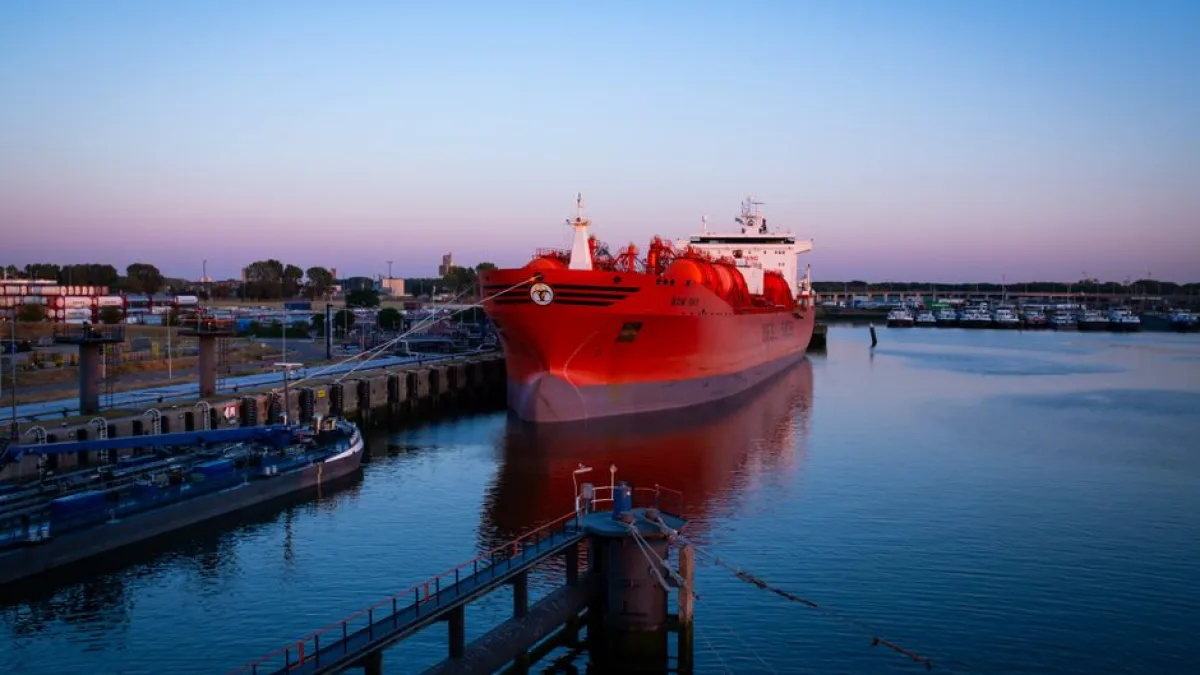
Building a successful freight forwarding operation requires a commitment to digital modernization and continuous improvement. By optimizing documentation, enhancing visibility, refining procurement, and scaling through automation, you ensure your firm remains resilient against market volatility. Start your journey today by auditing your current operational bottlenecks and adopting cloud-based tools designed to empower your team, reduce costs, and deliver exceptional service to your global client base.