Optimizing Freight Operations for Modern Logistics Success
Tuesday, September 29 2026
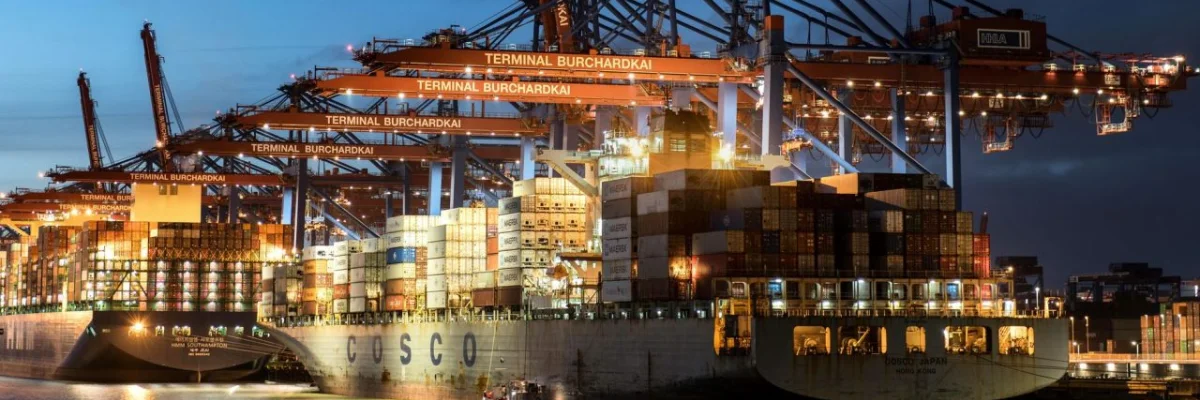
Modern freight forwarding requires a delicate balance between complex global logistics and the relentless pressure of customer demand. As supply chains grow more intricate, the traditional manual methods of tracking cargo and managing documentation are no longer sustainable for competitive businesses. To scale effectively, forwarders must embrace digital transformation by integrating cloud-based platforms that provide real-time visibility into shipments. By streamlining operational workflows, professionals can reduce administrative errors, improve communication with partners, and ensure that cargo moves across borders with unprecedented speed. Adopting these modern strategies today is essential for staying relevant and profitable in the rapidly changing global trade landscape.
Automating Shipment Documentation

Automating documentation processes eliminates the tedious manual data entry that often plagues freight forwarders. By digitizing bills of lading and invoices, teams can ensure accuracy while significantly reducing the time spent on repetitive tasks to improve operational efficiency.
- Data Entry Accuracy: Implementing automated capture systems minimizes human error in shipment manifests and invoices, ensuring that vital documents remain compliant with international trade regulations across all global borders.
- Faster Document Processing: Digital workflows allow teams to generate, review, and approve essential shipping documents in seconds, effectively accelerating the overall transit cycle for your valued logistics clients.
- Centralized Document Storage: Keeping all critical paperwork in a secure cloud repository ensures that your team can access necessary files instantly from any location around the world today.
- Error Reduction Strategies: Reducing reliance on manual typing prevents costly mistakes that lead to customs delays, protecting your company reputation and maintaining steady cash flow for operations.
Transitioning to automated documentation provides a foundation for growth by freeing up valuable staff time for high-value tasks. Instead of chasing paperwork, your team can focus on improving service quality and building stronger relationships with shipping partners. This shift not only prevents burnout but also builds a scalable structure that supports increased cargo volumes without the need for additional administrative hiring burdens.
Enhancing Cargo Tracking Visibility
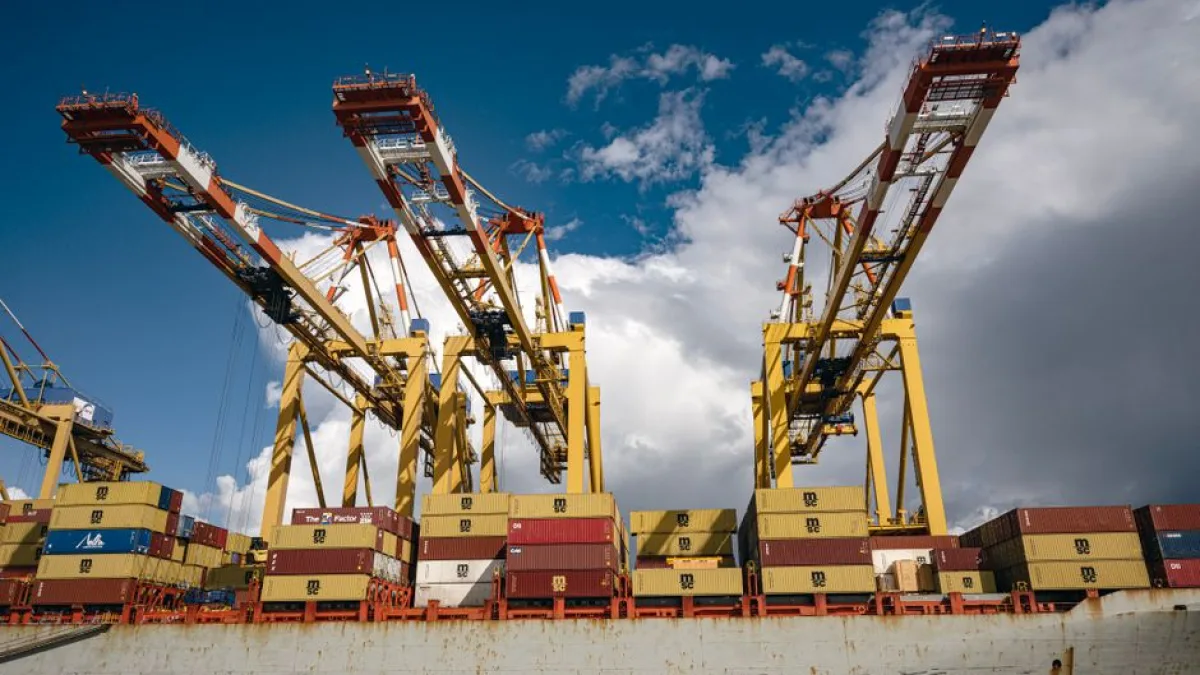
Real-time visibility into cargo movement is a cornerstone of modern freight operations. Providing transparent updates to clients builds immense trust while allowing teams to manage disruptions proactively before they escalate into larger, costlier issues for the entire supply chain.
- Real Time Tracking: Integrating GPS and satellite data directly into your dashboard provides live updates, allowing clients to monitor their cargo status from origin to final destination.
- Proactive Issue Resolution: Immediate notifications regarding port congestion or weather delays allow logistics teams to reroute shipments quickly, maintaining high service standards despite unexpected environmental or political challenges.
- Improved Client Communication: Automatic status updates keep stakeholders informed throughout the transit process, reducing the need for constant phone inquiries and increasing overall satisfaction for your clients.
- Optimized Route Planning: Advanced analytics software suggests the most efficient shipping lanes based on current traffic and weather, helping forwarders minimize transit times while maximizing resource allocation.
Visibility is no longer a luxury but a fundamental expectation in the current logistics market. When forwarders provide precise data, they empower their clients to make informed decisions about inventory levels and distribution strategies. This level of transparency creates a competitive advantage that encourages long-term partnerships. By utilizing cloud-based software, you can guarantee that every shipment receives the attention it requires for success.
Streamlining Customs Compliance Processes

Navigating the complex maze of international customs requirements demands precision and deep industry knowledge. By leveraging digital tools that automatically update with regional trade regulations, freight forwarders can bypass compliance hurdles and avoid costly penalties during the cross-border transit process.
- Automated Regulatory Updates: Modern software keeps pace with shifting international trade laws, ensuring your documentation always meets the latest legal requirements for every country in your network.
- Simplified Tariff Classification: Intelligent classification engines suggest correct HS codes for products, reducing the risk of customs rejections and heavy fines associated with incorrect product descriptions for shipping.
- Audit Trail Management: Maintaining comprehensive digital logs for every customs entry provides peace of mind during internal or external audits, proving that your processes are fully compliant.
- Seamless Customs Integration: Connecting your freight platform directly with customs authorities creates a fluid flow of information that prevents unnecessary border hold-ups and speeds up cargo clearance.
Effective customs management is the heartbeat of international logistics operations. When compliance is handled with digital precision, shipments clear borders without the traditional friction that causes massive delays. By staying ahead of legislative changes, your team avoids the frustration of blocked cargo and unhappy customers. A robust compliance strategy serves as a protective shield for your operations in an unpredictable global environment.
Managing Carrier and Partner Networks
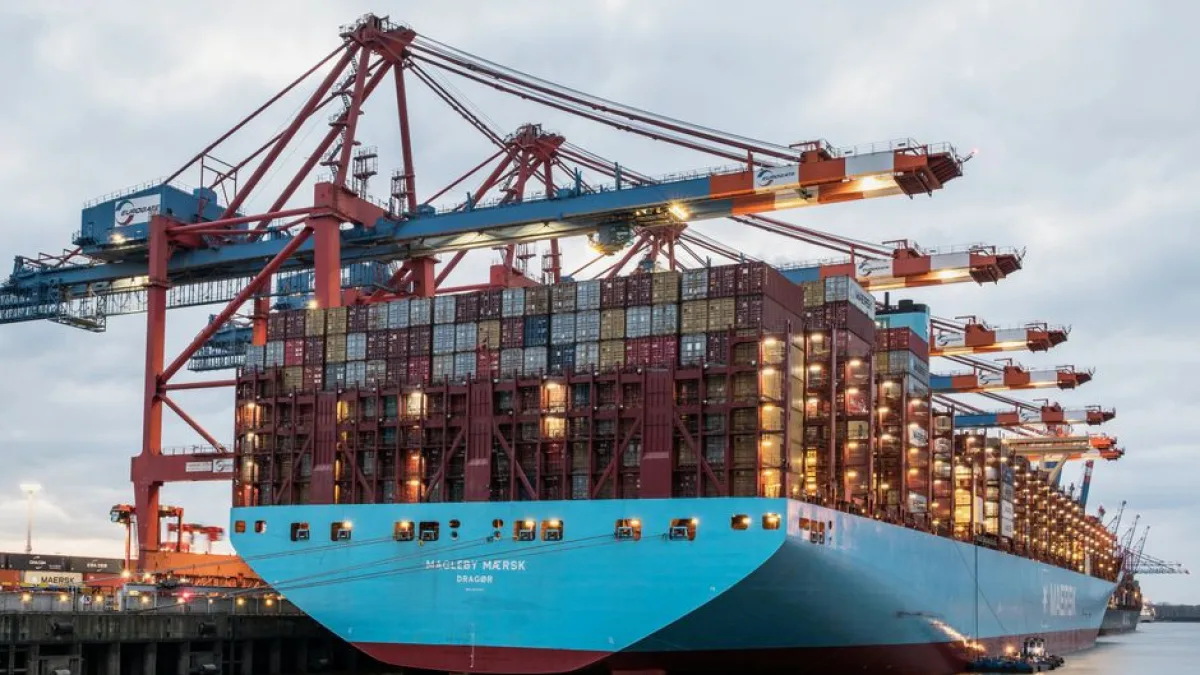
Successful freight forwarding relies on maintaining a healthy and reliable network of carriers and third-party partners. Managing these relationships through a centralized platform ensures that all parties are aligned on quality expectations, performance benchmarks, and overall shipping goals for success.
- Performance Benchmarking Tools: Tracking carrier performance based on reliability and speed helps you make data-driven decisions when selecting partners for your specific logistics requirements and shipping lane routes.
- Digital Contract Management: Storing all partner agreements in a secure cloud environment makes it easy to review terms, monitor pricing, and ensure that service level agreements exist.
- Collaborative Communication Hubs: Centralized portals facilitate clear communication between your office, trucking partners, and shipping lines, reducing the likelihood of misunderstandings during the critical cargo booking process cycle.
- Carrier Capacity Management: Monitoring available capacity across your partner network helps you secure space during peak seasons, ensuring your cargo continues to move despite high market demand.
Partner management determines the reliability of your service in the eyes of the customer. By treating your carrier network as a strategic asset, you gain the agility needed to handle market volatility with ease. Efficient collaboration tools bridge the gap between different departments and external vendors, fostering a unified workflow that prioritizes consistent service delivery and helps your business thrive in competitive markets.
Conclusion
Optimizing freight operations requires a commitment to digital tools that enhance speed, accuracy, and transparency. By automating your documentation, gaining real-time cargo visibility, simplifying customs compliance, and managing partners with data, you position your firm for sustainable growth. Start upgrading your logistics infrastructure today to embrace a more efficient future. Reach out to MakeCargo to discover how our cloud platform transforms these goals into reality.