Optimizing Freight Operations for Modern Logistics Success
Tuesday, October 6 2026
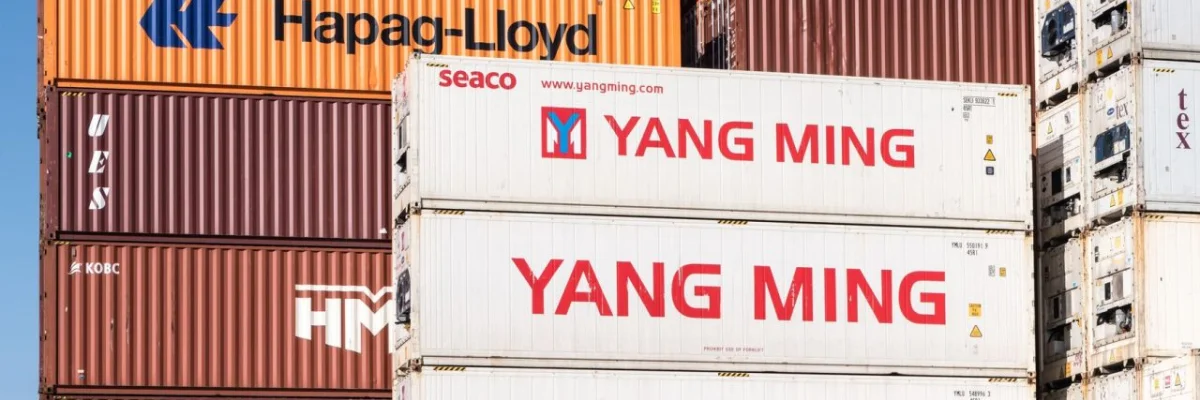
Freight forwarding is undergoing a profound transformation driven by rapid technological advancements and shifting global trade patterns. As companies face increasing pressure to provide real time visibility and faster delivery cycles, the ability to manage complex operations with precision becomes a primary competitive advantage. Professionals in this sector must move beyond manual legacy systems and embrace cloud based platforms that integrate documentation, carrier management, and customer updates into a single source of truth. By focusing on workflow automation and data driven decision making, forwarders can significantly reduce operational overhead, mitigate risks, and elevate the overall service experience for their diverse global clients.
Streamlining Documentation Workflows

Digitizing your documentation processes is the first step toward achieving operational excellence. By moving away from paper heavy tasks, teams can eliminate redundant data entry errors, accelerate processing speeds, and ensure that compliance requirements are met with greater accuracy and less manual oversight.
- Centralized document management: Consolidate all shipping manifests, invoices, and customs declarations into a secure cloud environment that allows your entire team to access necessary files from any location instantly.
- Automated data extraction: Utilize optical character recognition tools to pull critical information from bills of lading automatically, reducing the need for manual typing and minimizing common human errors.
- Compliance tracking updates: Maintain a real time log of all regulatory updates to ensure your documentation always aligns with international trade laws and specific destination country requirements.
- Secure client portal: Provide your customers with a dedicated access point to download their documents, which enhances transparency and drastically reduces the volume of repetitive email inquiries.
Transitioning to digital document workflows empowers your team to focus on high value tasks rather than administrative burden. When your staff is no longer tied to manual filing, they can dedicate more energy to strategic problem solving and customer support. This shift not only improves internal productivity but also creates a more responsive and professional brand image that clients will rely on for their future needs.
Enhancing Real Time Visibility
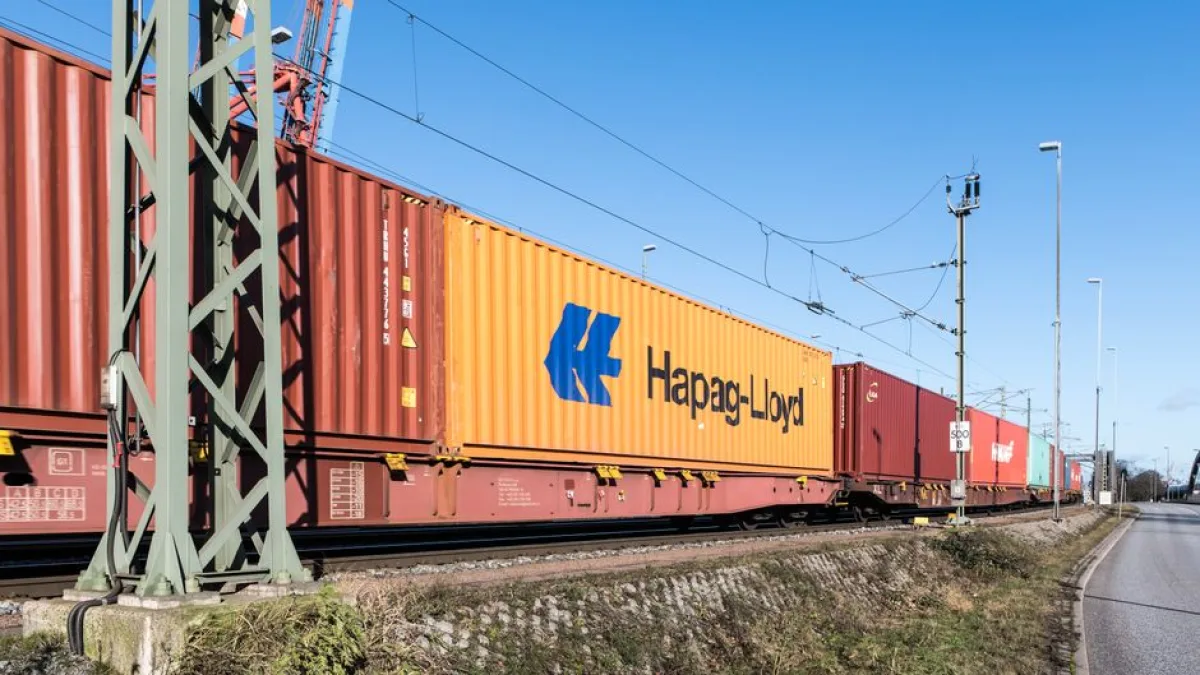
Modern customers demand complete transparency throughout the supply chain journey. Providing real time tracking updates is no longer an optional service feature but a mandatory requirement for maintaining long term partnerships and ensuring that your clients feel confident in your logistical execution.
- Live tracking integration: Connect your platform directly with carrier APIs to pull the latest vessel positions and transport updates without requiring manual status checks or phone calls.
- Automated status notifications: Configure your system to send triggered email or SMS alerts to stakeholders whenever a shipment reaches a major milestone or experiences an unexpected delay.
- Geofencing alert tools: Utilize advanced software features that notify your operations team the moment a container enters or leaves a specific facility, ensuring better yard management.
- Interactive client dashboards: Grant customers the ability to monitor their specific shipments through a clean, intuitive web interface that displays progress maps and estimated arrival times.
Proactive visibility serves as a powerful shield against operational uncertainty and customer dissatisfaction. By delivering accurate, up to the minute tracking data, you effectively reduce the frequency of status inquiry calls and emails. This proactive communication style builds trust, strengthens your reputation as a reliable partner, and allows your team to manage potential disruptions with speed and professionalism before they impact your clients.
Mastering Carrier Capacity Management

Balancing capacity demands with available carrier space is a constant challenge for freight forwarders. Success hinges on your ability to analyze historical data and current market trends to make informed decisions about route planning, volume allocation, and carrier contract negotiations effectively.
- Historical trend analysis: Review past performance metrics to identify recurring capacity shortages and adjust your booking strategies during peak seasons to secure reliable space for clients.
- Carrier performance scoring: Implement a data driven ranking system that evaluates partners based on reliability, pricing, and communication quality to ensure you work with the best.
- Dynamic routing optimization: Leverage software insights to evaluate alternative routes and carrier options, helping you select the most cost effective paths without sacrificing delivery speed expectations.
- Contract management oversight: Store all your carrier agreements within a central platform to monitor usage rates against volume commitments and maximize your negotiated financial incentives easily.
Effective capacity management requires a blend of industry expertise and analytical precision. By leveraging a centralized platform for all your carrier interactions, you gain the clarity needed to optimize your logistics network. This strategic approach ensures that you provide consistent service levels even during market volatility. When you control your capacity data, you protect your margins and your clients from unexpected market shifts.
Driving Operational Cost Efficiency

Operational cost control is essential for sustaining long term profitability in the freight industry. By identifying hidden inefficiencies in your daily processes and utilizing automation to handle repetitive tasks, you can drive down overhead costs and improve the bottom line for your firm.
- Process automation tools: Replace manual task handoffs with automated workflow triggers that move a shipment from booking to invoicing without requiring multiple clicks or human intervention.
- Invoice reconciliation automation: Match supplier invoices against your internal quote data automatically to identify discrepancies instantly and prevent overpayments from impacting your monthly financial results.
- Vendor service evaluation: Track your spending against service level agreements to identify vendors that provide lower value, allowing you to optimize your supply chain spend efficiently.
- Labor productivity metrics: Monitor the time spent on specific tasks to identify bottlenecks in your operation and provide targeted training to improve your overall team speed.
Optimizing for cost efficiency allows you to remain competitive while maintaining healthy margins. As you remove friction from your internal processes, you unlock resources that can be reinvested into technology or staff development. This focus on financial health ensures that your freight forwarding business remains resilient against market pressures while consistently delivering high quality service that clients appreciate and are willing to pay for.
Conclusion

Mastering freight operations requires a commitment to digital transformation and continuous improvement. By integrating advanced software solutions, you can effectively streamline your workflows, increase visibility, and control costs across your entire supply chain. Embracing these technologies empowers your team to deliver superior service that stands out in a crowded market. Start optimizing your operations today with MakeCargo to drive lasting growth and success.