Optimizing Freight Operations for Modern Logistics Success
Saturday, October 10 2026
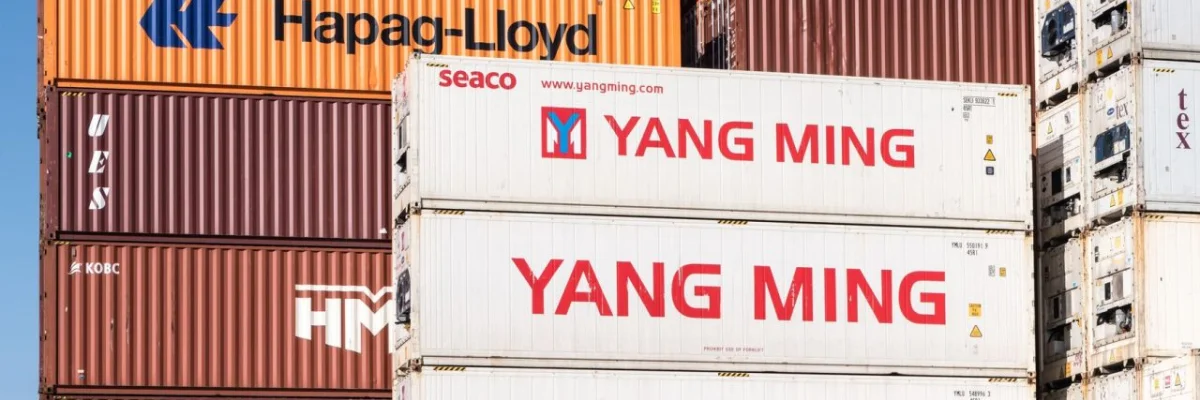
Modern freight forwarding requires a delicate balance between speed, cost management, and client communication. As global trade lanes become increasingly complex, professionals must move beyond legacy manual systems to survive in a competitive marketplace. Adopting cloud-based platforms is no longer a luxury but a strategic necessity for firms aiming to scale efficiently while reducing operational friction. By embracing automation and data-driven decision-making, freight forwarders can effectively manage volatility, improve booking accuracy, and provide the real-time visibility that today's shippers demand. This transformation is the key to unlocking sustainable growth and building long-term resilience against the unpredictable nature of global logistics and international shipping corridors.
Streamlining Booking Processes
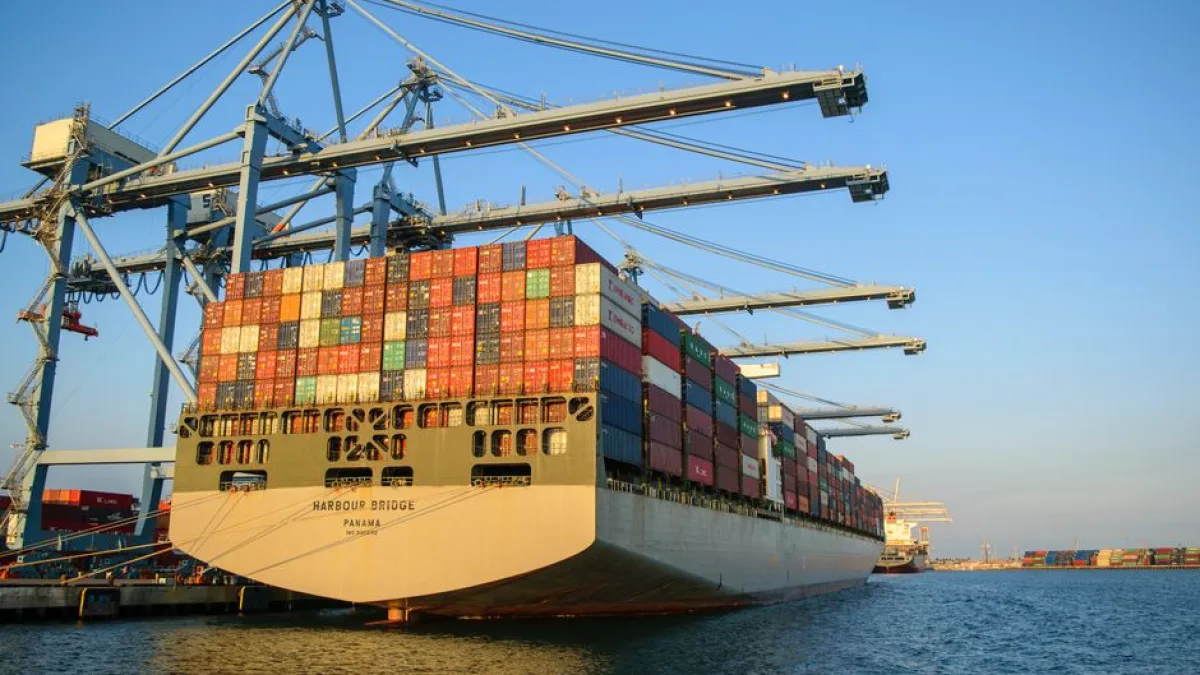
Automated booking systems bridge the gap between initial customer requests and final carrier confirmation. By minimizing manual data entry, logistics teams reduce human error, speed up response times, and provide a seamless digital experience that keeps your clients satisfied and loyal.
- Instant Quote Generation: Automated rating engines provide shippers with rapid pricing options based on live carrier data, significantly reducing the time spent manually calculating complex shipping quotes for various transport modes.
- Digital Booking Requests: Standardized digital forms ensure that all necessary information is captured upfront, preventing the common back and forth emails that often lead to delays and costly misunderstandings.
- Real-time Capacity Checks: Integrated systems provide visibility into available container space across major carrier networks, allowing forwarders to secure bookings instantly without relying on fragmented offline communication channels or spreadsheets.
- Automated Validation Rules: Software prevents errors by automatically checking entries against custom criteria, ensuring that documentation is compliant with international standards before it ever reaches the carrier for processing.
Optimizing the booking phase is the first step toward reclaiming lost time and improving overall margins. When your team stops chasing emails and starts managing exceptions, you gain the agility required to handle high volumes without adding excessive headcount. This shift allows your staff to focus on high-value tasks such as exception management and long-term client strategy, which drive sustainable revenue growth and improved service quality.
Digital Documentation Management

Efficient documentation is the backbone of successful freight movement. Moving away from paper-based filing systems to centralized digital document storage ensures that compliance, customs, and billing records are accessible, secure, and ready for audit whenever the need arises in transit.
- Centralized Cloud Storage: Storing all shipping documentation in a secure cloud environment ensures that authorized team members can access critical files from anywhere, facilitating seamless collaboration across different global offices.
- Version Control Systems: Automated tracking ensures everyone works with the most recent version of a document, eliminating the confusion caused by multiple iterations being passed through unsecured email attachments or printers.
- Automated Compliance Checks: Advanced software tools scan documents for missing mandatory fields and errors, ensuring that every shipment meets regulatory requirements and avoids costly customs delays at border checkpoints.
- Secure Sharing Portals: Sharing sensitive documentation with clients and customs brokers becomes safer and faster through protected portals, reducing the risk of data leaks while maintaining full transparency during transit.
Digital management transforms chaotic piles of paper into structured, searchable data assets that work for your business. By establishing a single source of truth, you eliminate the risk of lost documents and reduce the administrative burden on your operations team. This maturity in digital practice creates a professional image that reassures your partners and positions your firm as a leader in technical logistics.
Enhancing Shipment Visibility

Real-time visibility allows freight forwarders to track shipments across the globe with precision. Providing clients with accurate, up-to-date information regarding their cargo locations helps manage expectations and improves trust, effectively turning logistics updates into a powerful customer retention tool.
- Live GPS Tracking: Integrate real-time data streams from carriers to provide customers with precise location updates, which reduces the volume of status inquiries handled by your busy operations support team.
- Automated Status Alerts: Proactive notifications inform clients of milestones or unexpected delays as they happen, ensuring your customers remain informed without needing to reach out for updates manually.
- Exception Management Dashboards: Centralized views highlight shipments that deviate from planned schedules, allowing your operations experts to intervene quickly and resolve issues before they impact the final delivery deadlines.
- Carrier Data Integration: Connect directly with major shipping lines and freight providers to ingest tracking information automatically, creating a comprehensive map of all transit events within your internal software.
When you offer transparent visibility, you shift the relationship from reactive problem solving to proactive partnership. This high level of service differentiates your brand in a crowded market where speed and information accuracy are highly prized by shippers. By leveraging advanced visibility features, your operations team can manage exceptions effectively and maintain calm, consistent communication even when faced with significant global supply chain disruptions.
Automating Financial Workflows

Automating financial tasks reduces the time spent on invoicing and carrier payments. By syncing operations with accounting systems, freight forwarders minimize billing discrepancies, accelerate cash flow cycles, and ensure that all charges are accurately reflected in every client shipment file.
- Automated Invoice Creation: Generate accurate invoices instantly based on operational data, reducing manual billing errors and ensuring that payments are collected faster without needing tedious manual reconciliation for every single shipment.
- Carrier Bill Auditing: Automatically compare carrier invoices against original quotes to identify overcharges or hidden fees, which helps preserve your margins and provides essential clarity regarding your true cost of goods.
- Integrated Payment Portals: Simplify the collection process by providing customers with convenient, secure digital payment options that link directly to their specific invoices, improving your internal cash flow management significantly.
- Currency Conversion Automation: Maintain accuracy when dealing with international accounts by using automated tools that apply the latest exchange rates, preventing potential losses due to manual currency calculation mistakes.
Financial automation is the final piece of the operational puzzle for modern forwarders. By removing the friction of manual bookkeeping and billing, you enable your team to focus on profit generation rather than administrative cleanup. This refined approach to finance not only keeps your operations running smoothly but also provides the data-backed insights necessary to make informed decisions about your future business investments.
Conclusion

Mastering freight operations through modern cloud technology is the most effective way to stay competitive and scalable. By streamlining bookings, digitizing documents, increasing visibility, and automating financial workflows, you create a foundation for excellence. Start your digital transformation today to reduce operational costs, eliminate human error, and deliver an unparalleled logistics experience to your clients. The future of global shipping belongs to those who adapt.