Optimizing Freight Operations for Modern Logistics Success
Wednesday, October 14 2026

Freight forwarding professionals face constant pressure to balance rising customer expectations with the complexities of global supply chains. As market volatility becomes the standard, the ability to manage documentation, carrier communication, and customs compliance efficiently defines a company's competitive edge. Manual processes and siloed data streams often create bottlenecks that hinder growth and frustrate clients. By shifting toward digital-first strategies, forwarders can reclaim lost time and improve accuracy across every shipment. This article explores essential operational pillars that empower your team to scale effectively, reduce human error, and provide the transparent, high-quality service that modern shippers demand from their logistics partners.
Digitizing Essential Documentation

Managing shipment documentation requires precision and speed to avoid costly delays at customs checkpoints or port terminals. Digital platforms allow teams to centralize data, ensuring that bills of lading and commercial invoices are always accessible to authorized personnel without searching through folders.
- Centralized data storage: Keep every shipment document in a single cloud repository to ensure your team never wastes time searching for legacy paperwork across multiple desktop drives or email threads.
- Automated data extraction: Use advanced scanning technology to pull critical information from PDFs directly into your system, reducing manual entry errors and significantly increasing the speed of processing.
- Version control systems: Maintain absolute clarity by using automated tracking for document changes, ensuring that all stakeholders are always referencing the latest approved version of any specific file.
- Secure document sharing: Provide clients and partners with instant access to specific documents via secure portals, which minimizes the back and forth communication that slows down standard operations.
Adopting a digital-first approach transforms your office into a streamlined environment where data flows seamlessly between departments. By removing the reliance on physical paper trails and scattered email attachments, your operations team can focus on high-value tasks that drive revenue. This transition not only enhances your internal efficiency but also positions your brand as a tech-forward leader in the global freight forwarding industry.
Enhancing Real-Time Visibility
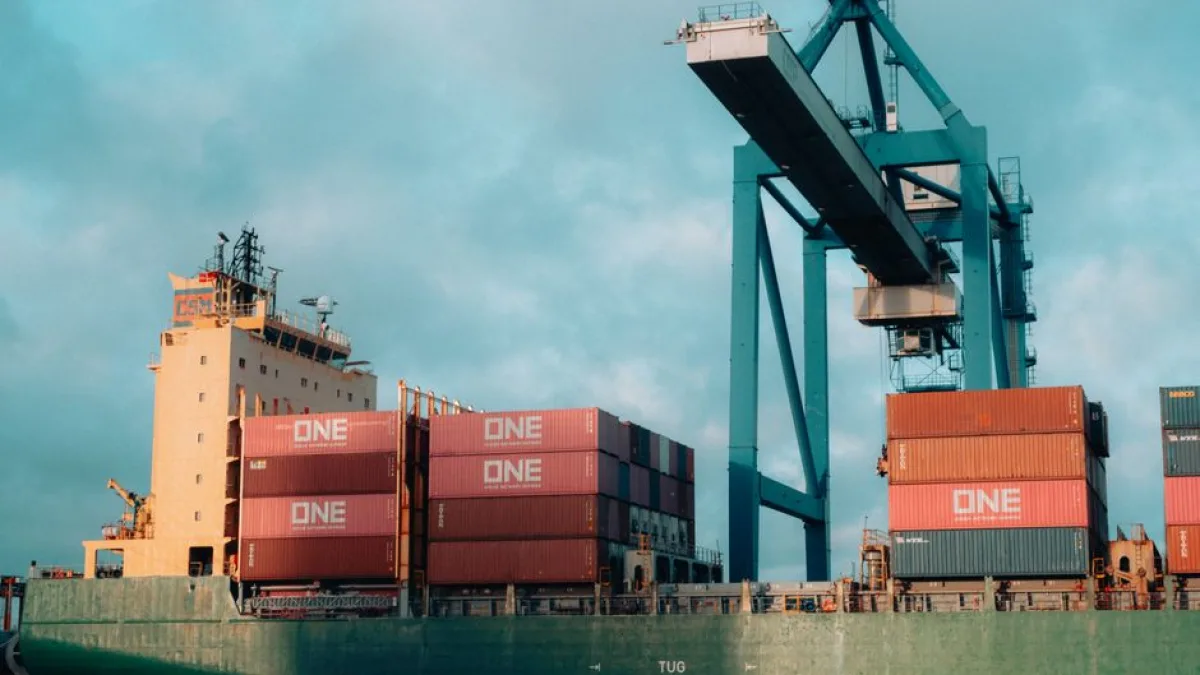
Transparency is the most requested feature from modern shippers who need to know exactly where their goods are at all times. Providing live tracking updates eliminates guesswork and builds long-term trust, transforming a transactional relationship into a strategic logistics partnership.
- Integrated carrier tracking: Sync your software directly with carrier APIs to receive automatic updates on vessel positions, arrival times, and departure delays without manual checking or constant email updates.
- Customer tracking portals: Offer your clients a branded dashboard where they can monitor their shipments live, reducing the volume of inbound status update inquiries for your team.
- Exception management alerts: Receive proactive notifications when a shipment hits a delay or customs hold, allowing your staff to communicate with the client before the situation escalates further.
- Global map visualization: Utilize interactive map interfaces to give your clients a clear visual representation of their cargo journey, which helps set realistic expectations for delivery timelines worldwide.
Visibility serves as the backbone of high-quality service in the logistics sector today. When you empower clients with accurate, live information, you reduce the operational burden on your support staff while simultaneously increasing customer satisfaction scores. Reliable tracking prevents miscommunication and allows your business to address potential transit issues rapidly, ensuring that your company remains a dependable partner in any global supply chain.
Streamlining Customs Compliance

Customs compliance remains one of the most complex areas of freight forwarding due to shifting international trade regulations and specific port requirements. Failure to file correctly results in heavy fines and significant shipment delays, making robust automation tools absolutely essential for success.
- Automated classification tools: Use built-in tariff databases to quickly identify correct HS codes, preventing costly penalties and ensuring that your filings comply with the latest international trade requirements.
- Compliance validation checks: Run automatic audits against your paperwork before submission to detect missing information or discrepancies that would otherwise lead to a rejection from customs officials.
- Regulatory update monitoring: Receive automatic notifications whenever trade laws change in your key operating regions, helping you adjust your standard procedures before the new rules take effect.
- Reporting for audits: Generate detailed compliance logs with a single click, providing your business with a clear record of all filings to simplify future internal and external audits.
Staying ahead of regulatory changes requires more than manual effort and institutional memory. By integrating compliance automation into your daily operations, you safeguard your business against human error and legal complications. These tools provide a safety net that allows your customs team to handle higher volumes of entries with confidence, ensuring that your clients enjoy smooth border crossings regardless of current trade conditions.
Collaborating Through Cloud Technology

Successful freight operations rely on effective communication between carriers, agents, and internal departments. Cloud-based platforms facilitate this collaboration by providing a single source of truth that aligns all stakeholders on project goals, shipment status updates, and critical operational requirements daily.
- Shared task management: Assign specific operational tasks to team members within your platform to ensure accountability and track the progress of every shipment from pickup to final delivery.
- In-app team chat: Communicate about specific shipments directly inside the software to keep relevant context tied to the cargo record rather than buried in private external chat tools.
- Vendor portal access: Invite your overseas partners to contribute their status updates or documents directly to the platform, creating a cohesive network that works in total sync.
- Performance analytics dashboard: Use shared data insights to review partner performance, helping you identify which carriers or agents are consistently meeting your high service quality standards every month.
Collaboration technology is no longer an optional luxury for forwarders but a necessary foundation for modern logistics. When your entire team and partner network operate within a unified ecosystem, the friction of global shipping disappears. This level of synchronization enables you to manage complex global projects with ease, fostering a culture of accountability and precision that keeps your logistics business ahead of competitors.
Conclusion

Optimizing your freight operations requires a commitment to digital tools that prioritize efficiency, visibility, and accuracy. By implementing these strategies, you can reduce manual workloads, enhance customer trust, and ensure compliance in a complex market. Start your transformation today by evaluating your current workflows and identifying where automation can provide the most impact. Success in the freight industry depends on these proactive operational improvements.