Optimizing Freight Operations for Modern Logistics Success
Saturday, October 17 2026
The global logistics landscape is changing rapidly as freight forwarders face increasing pressure to balance speed, transparency, and operational cost. Efficiency is no longer just a competitive advantage but a necessity for survival in a complex market environment. Companies that successfully leverage digital tools and standardized workflows often outperform their peers by minimizing delays and maximizing resource allocation. By adopting a mindset of continuous improvement and utilizing cloud based technologies, your freight forwarding business can transform operational challenges into growth opportunities. This guide outlines actionable strategies to help your team navigate today's logistics demands while maintaining high service standards for every client.
Mastering Automated Documentation

Automated documentation software allows your team to move away from manual data entry tasks that often lead to costly human errors. By digitizing workflows, you ensure that vital shipping documents remain accurate and accessible to all relevant stakeholders in real time.
- Automated Data Capture: Modern software tools extract information directly from invoices or bills of lading to prevent manual typing mistakes that often cause significant delays in processing export shipping files.
- Centralized Document Storage: Keeping all client documents in a secure cloud folder allows for rapid retrieval during customs audits and helps maintain compliance across your entire international logistics network operations.
- Version Control Systems: Implementing automated tracking for document edits ensures that every team member works from the most current file version to avoid confusion during critical international shipments or arrivals.
- Workflow Approval Automation: Routing documents to specific managers for digital signatures speeds up the customs clearance process significantly while maintaining a transparent trail of who approved each specific shipping document.
- Instant Client Sharing: Allowing your customers to download their own shipping documents through a secure portal reduces the time your staff spends responding to routine status check emails daily.
Adopting these automated systems reduces the administrative burden on your employees while significantly improving the overall accuracy of your shipping files. By removing repetitive manual tasks, you empower your logistics team to focus on high value decision making and customer relationship management. This shift not only lowers operating costs but also creates a more scalable business model that can handle higher volumes without additional staff.
Effective Carrier Network Management
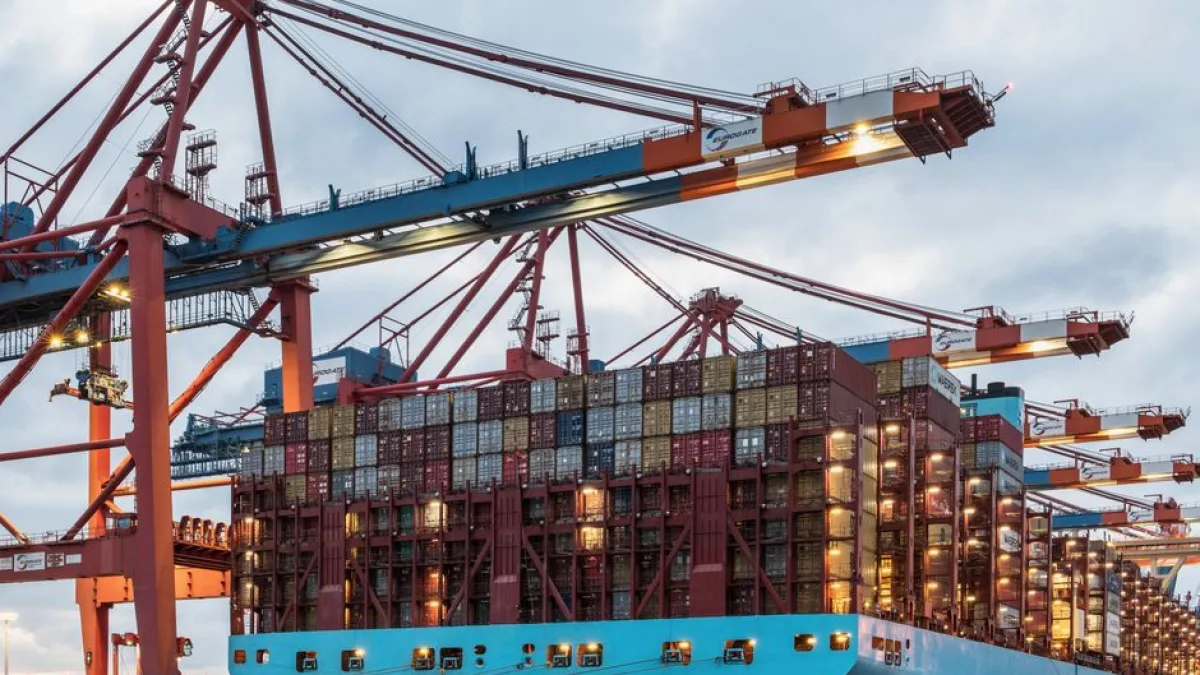
Building strong relationships with your carriers is essential for maintaining consistent service levels even during periods of extreme global port congestion. By managing these partnerships through a unified platform, you gain better visibility into carrier performance and reliability metrics.
- Performance Tracking Metrics: Monitoring carrier transit times and missed sailings through a dashboard helps you identify which partners consistently deliver on their promises during peak seasons of high volume.
- Dynamic Rate Comparison: Accessing real time freight quotes from multiple providers allows your team to secure the most cost effective options while ensuring that service quality remains high.
- Shared Communication Channels: Using a dedicated platform for all carrier interactions ensures that no critical updates or emails are lost, keeping everyone aligned on shipment expectations and deadlines.
- Proactive Problem Solving: Regular reviews of carrier performance data allow your team to address recurring issues before they impact customer satisfaction or cause costly delays in transit schedules.
- Strategic Capacity Planning: Analyzing historical carrier data helps you forecast space requirements during peak demand periods, allowing you to secure space ahead of your competitors in global markets.
Maintaining a high performing carrier network requires constant vigilance and the right digital tools to track every milestone. When you prioritize clear communication and data driven decisions, you build trust with your logistics partners. This level of collaboration ensures that your operations remain resilient even when the global supply chain faces unexpected disruptions, ultimately protecting your reputation and your bottom line profitability.
Optimizing Client Communication Strategies

Your clients value transparency above almost anything else when trusting you with their high value cargo. Providing them with instant access to shipment milestones and automated status updates builds immense trust while reducing your overall customer support workload significantly.
- Automated Shipment Notifications: Sending proactive updates via email or portal notifications keeps clients informed about their cargo status without them needing to contact your team for manual status checks.
- Customized Reporting Dashboards: Providing clients with visual reports helps them understand their own supply chain performance, which increases loyalty and positions your company as a strategic business partner.
- Instant Query Resolution: Integrating a chat or messaging feature into your logistics platform ensures that client questions reach the right department for a fast and accurate response.
- Standardized Client Onboarding: Creating a simple digital onboarding process helps new customers understand your service offerings quickly and reduces the time it takes to start their first booking.
- Feedback Collection Loops: Regularly asking for customer feedback through digital surveys allows you to identify areas where your service quality can be improved to meet changing market demands.
Proactive communication strategies are the bedrock of long term client retention in the logistics industry. When you give your customers the information they need before they even ask, you differentiate your freight forwarding business from competitors who rely on traditional, manual reporting methods. This transition to transparent communication fosters a stronger relationship and demonstrates that your business prioritizes client success and satisfaction.
Leveraging Advanced Data Analytics

Using advanced analytics transforms raw operational data into actionable insights that guide your company strategy and future growth plans. By examining performance patterns, you can uncover hidden inefficiencies and capitalize on new opportunities to improve your profit margins significantly.
- Margin Analysis Reports: Reviewing profit margins on every single lane and service type helps you identify which areas of your business generate the most revenue for your company.
- Trend Identification Tools: Spotting seasonal shipping trends allows your team to adjust pricing strategies and capacity planning efforts in advance, maximizing your profitability during high demand market cycles.
- Predictive Capacity Forecasting: Utilizing historical shipment data helps you anticipate future volume fluctuations, ensuring that you have the resources needed to manage peaks without facing sudden service shortages.
- Operational Cost Audits: Identifying high cost bottlenecks in your workflows enables you to implement process changes that lower expenses and improve the speed of your daily operations.
- Benchmarking Competitor Metrics: Comparing your service times against industry averages highlights areas where your business can improve to gain a larger share of the logistics market segment.
Data is the most valuable asset in modern logistics management for those who know how to use it correctly. By moving from intuition based decisions to those backed by hard numbers, you reduce risk and increase operational agility. Investing time in your data strategy today will pay dividends as you refine your processes and grow your reputation as a top tier forwarder.
Conclusion
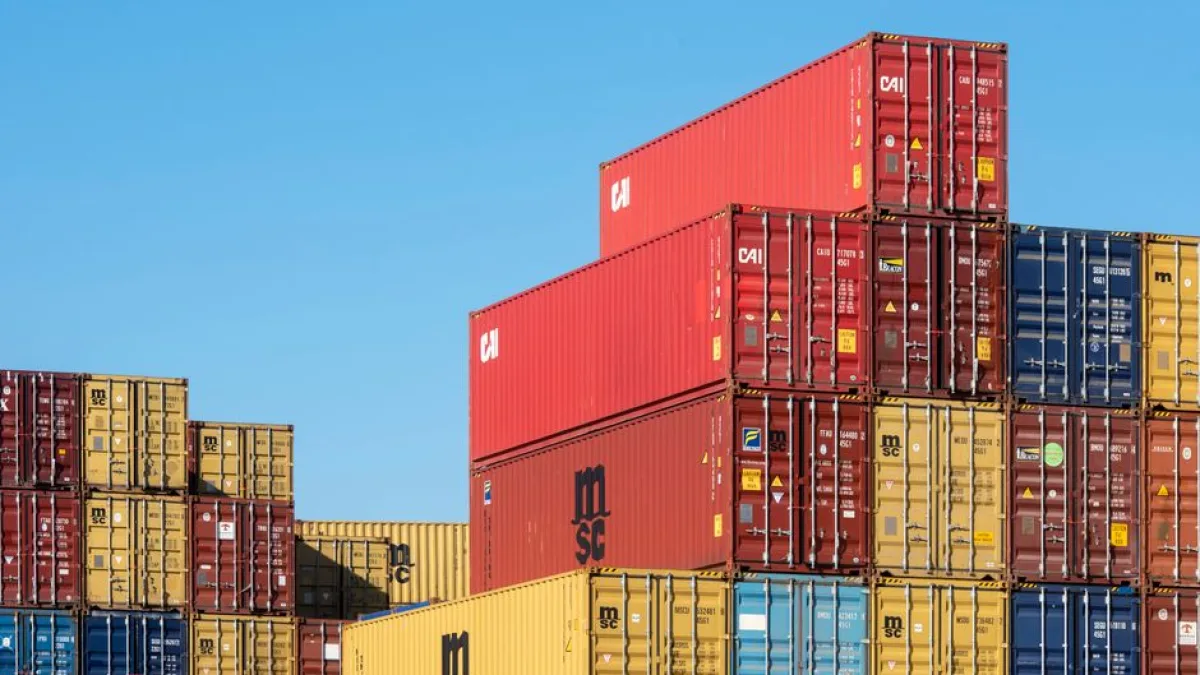
Improving freight operations is a continuous process that requires a blend of smart technology and dedicated teamwork. By focusing on documentation accuracy, strong carrier relationships, clear communication, and data analysis, you set your freight forwarding business on a path toward sustainable success. Start implementing these best practices today to streamline your workflows, lower costs, and deliver superior service to your valued logistics clients.