Optimizing Freight Operations for Modern Logistics Success
Sunday, November 1 2026

The global freight landscape is shifting rapidly, requiring logistics professionals to adopt agile strategies to maintain a competitive edge. As cargo volumes fluctuate and supply chain transparency becomes non-negotiable for shippers, forwarders must modernize their internal workflows to avoid bottlenecks. Moving away from manual data entry toward automated cloud solutions is no longer a luxury but a fundamental survival requirement. By focusing on digitalization and streamlined documentation, your company can reduce overhead costs while significantly improving customer satisfaction ratings. This guide explores essential practices to transform your freight forwarding business into a high-performance engine capable of handling today's complex shipping demands.
Mastering Digital Documentation Processes

Transitioning from paper-heavy workflows to digital platforms eliminates common human errors that typically delay clearance. By standardizing your document management, you create a transparent environment where information flows seamlessly between your teams, customs authorities, and end clients, ensuring peak operational efficiency.
- Centralized document storage: Keep all shipping invoices and packing lists in a secure cloud repository to ensure your team members can access real-time data from any global location.
- Automated data entry: Reduce manual input requirements by using smart scanning tools that automatically populate your freight management software with essential shipment data from incoming digital files.
- Standardized naming conventions: Implement a strict file naming policy across the entire organization to help staff find critical documents within seconds during busy peak shipping seasons.
- Integrated e-signatures: Utilize secure digital signature tools to expedite the approval process for bills of lading, which significantly reduces wait times for international partners and customs agents.
Adopting these digital standards helps your team reclaim valuable hours previously spent chasing paper trails. When information is centralized and searchable, communication gaps vanish instantly. This shift empowers your staff to focus on high-value tasks like customer relationships instead of administrative filing. Investing in robust document infrastructure provides the foundation for scalable growth and consistent service delivery for every single shipment you manage.
Leveraging Real-Time Tracking Data
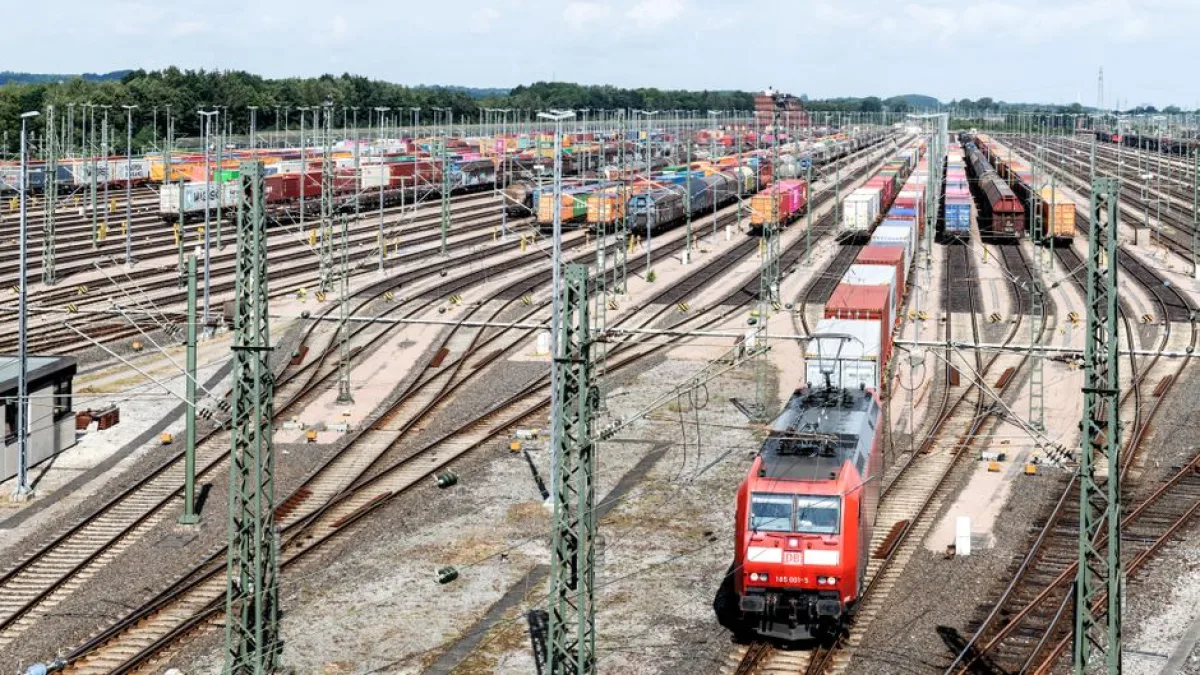
Visibility is the primary currency in modern logistics, as clients expect instant updates regarding their cargo status. Utilizing advanced tracking tools allows you to proactively manage exceptions before they escalate into major customer complaints, keeping everyone informed throughout the journey.
- Live transit updates: Connect your platform directly with carrier APIs to receive automatic status changes that provide accurate arrival predictions for all active sea and air shipments.
- Proactive anomaly alerts: Set up automated notifications that warn your operations team when a container misses a port cut-off or experiences unexpected delays at major terminals.
- Client portal access: Provide your shippers with a white-label tracking interface that allows them to self-serve information, which drastically reduces the volume of status inquiries emails.
- Geofencing transit hubs: Monitor cargo movement through critical transit nodes to ensure compliance with planned schedules while providing granular transparency to all involved logistics stakeholders and partners.
Modern clients demand instant answers, and failing to provide them often leads to lost business opportunities. By integrating real-time tracking data into your daily operations, you demonstrate reliability and technical maturity. This proactive approach turns shipping complexity into a simplified client experience. When shippers trust your data, they remain loyal partners who value the transparency your platform provides, ensuring long-term business sustainability.
Automating Financial Workflow Cycles

Managing freight financials involves complex invoicing and currency fluctuations that require precision to maintain healthy profit margins. Automating your billing processes ensures that all costs are captured accurately and invoices are dispatched promptly, which improves your cash flow cycle significantly.
- Dynamic rate management: Use integrated pricing tools to calculate margins automatically, ensuring that every quote you generate reflects current carrier rates and local service fees.
- Automated invoice generation: Configure your system to trigger invoices the moment proof of delivery is received, ensuring faster payment collection times from your diverse client base.
- Vendor reconciliation tools: Compare carrier invoices against initial quotes automatically to spot overcharges immediately, saving your accounting department from tedious manual audits and potential revenue loss.
- Multi-currency support: Streamline international billing by using software that handles currency conversion automatically based on the daily exchange rates, preventing potential financial discrepancies for global clients.
Optimizing your financial workflows is the fastest route to improving your company bottom line. By removing manual calculations and human oversight, you eliminate the risk of billing disputes and lost revenue. This efficiency allows your financial team to perform strategic analysis rather than routine data validation. Consistent and accurate billing builds immense trust, which is the cornerstone of every successful freight forwarding partnership.
Enhancing Global Partner Collaboration

Successful freight forwarding relies on a network of reliable overseas agents and carriers who act as your extension in foreign markets. Facilitating smooth communication with these partners is essential to ensure that cargo moves without friction through customs and port terminals across the globe.
- Unified communication channels: Utilize cloud-based messaging tools that link directly to shipment files, ensuring all conversations between agents stay context-aware and organized for future reference.
- Shared project milestones: Create synchronized task lists with your overseas partners to confirm receipt of documentation and verify cargo readiness at every key stage of transit.
- Performance evaluation metrics: Track the response times and service quality of your agent network to identify high-performing partners and address weaknesses in your current global supply chain.
- Standardized reporting formats: Require all global partners to submit progress reports using your platform templates to ensure uniformity in the data you receive from different regions.
Working effectively with a global network requires rigorous standardization and clear expectations for every involved party. When your systems are aligned with those of your international agents, you minimize the risk of cultural or operational misunderstandings. Building these strong digital bridges ensures that your global operations remain seamless regardless of geographic distance. Strong partnerships are the true secret to scaling your logistics network efficiently.
Conclusion
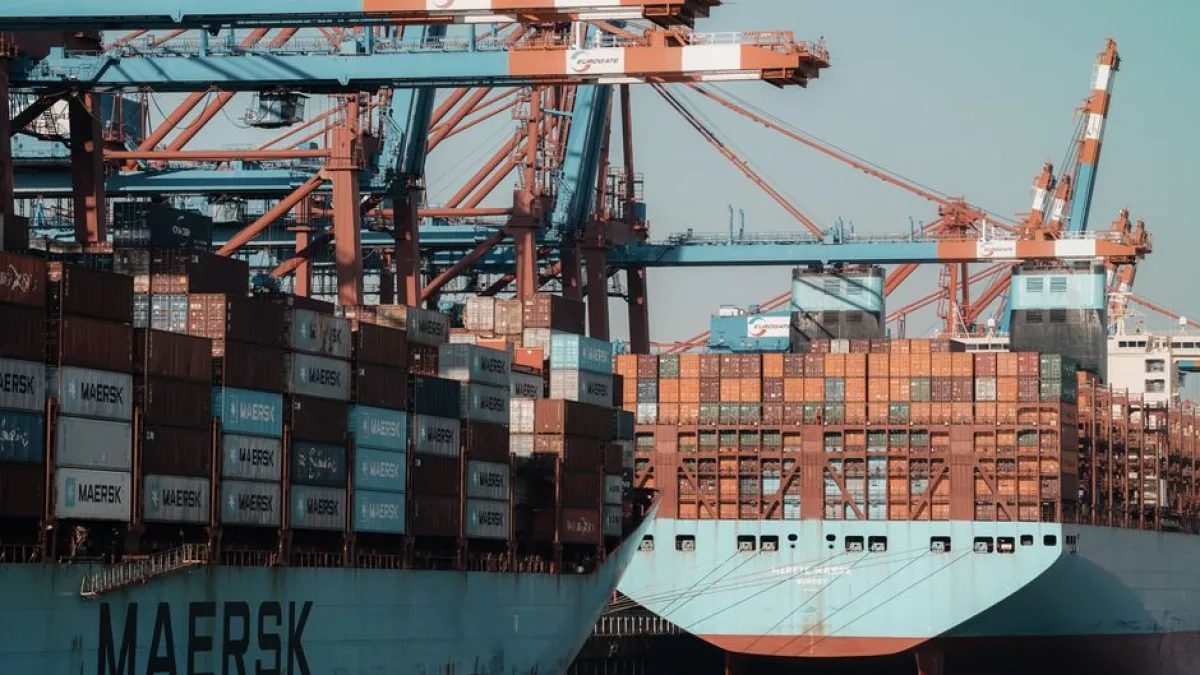
Optimizing your freight forwarding business requires a dedicated commitment to digital transformation and process efficiency. By integrating smart software solutions for documentation, tracking, finance, and partner management, you can overcome common industry hurdles with ease. Focus on these core areas to build a resilient, scalable operation. Start your digital transition today to secure your firm a prominent position in the future of global logistics.