Optimizing Freight Operations for Scalability and Success
Sunday, October 25 2026
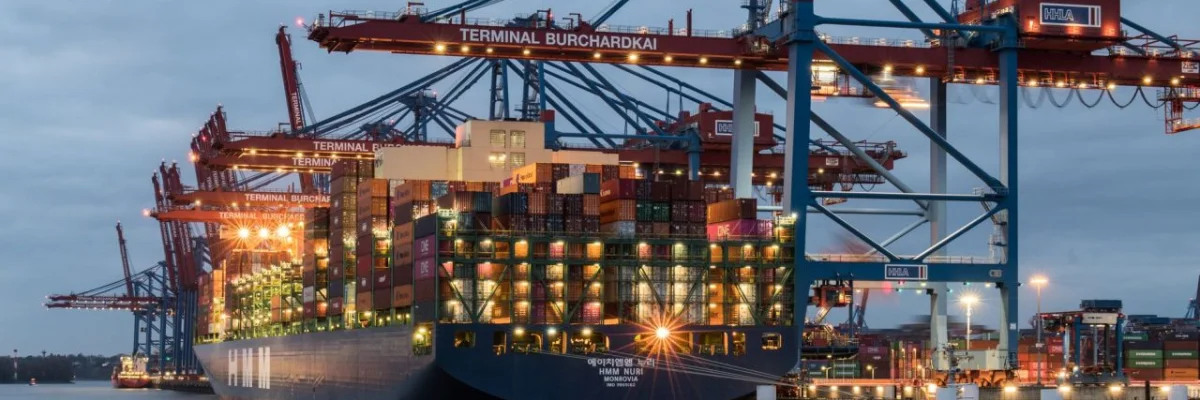
Modern freight forwarding is evolving at a breakneck speed, forcing logistics providers to move beyond manual processes and legacy systems. As global supply chains face unprecedented volatility, forwarders must leverage cloud technology to maintain visibility and operational control. By automating routine workflows, companies can eliminate human errors and reduce administrative overhead. This transition is not merely about keeping pace with digital transformation but about securing a competitive advantage in a crowded market. Mastering your daily freight operations requires a holistic approach that integrates data management, vendor communication, and shipment tracking into a singular, cohesive platform that supports sustainable growth.
Automating Shipment Documentation

Documentation management often represents the largest bottleneck for busy freight forwarders. Digital document automation ensures that bills of lading, commercial invoices, and packing lists are processed instantly, reducing the risk of manual data entry mistakes that typically delay international customs clearance.
- Eliminate manual entry: Implementing automated data extraction tools allows your team to capture critical shipment details from scanned documents directly into your freight management system without typing anything.
- Centralized document repository: Cloud storage platforms keep all your essential shipping paperwork in one secure location where team members can access verified files at any time.
- Standardized digital templates: Creating professional shipping document templates reduces the time spent on repetitive clerical tasks while ensuring full compliance with international trade laws and regulations.
- Real time validation: Automated systems cross reference shipment data against regulatory requirements to identify missing signatures or incorrect codes before they trigger costly customs delays for clients.
Adopting automated documentation workflows significantly reduces the burden on your administrative staff. When digital systems handle the tedious aspects of processing paperwork, your employees can redirect their expertise toward complex logistics problems and high value customer service tasks. This operational shift not only improves overall speed but also enhances the accuracy of your records, creating a more reliable logistics partner for your global network.
Enhancing Supply Chain Visibility
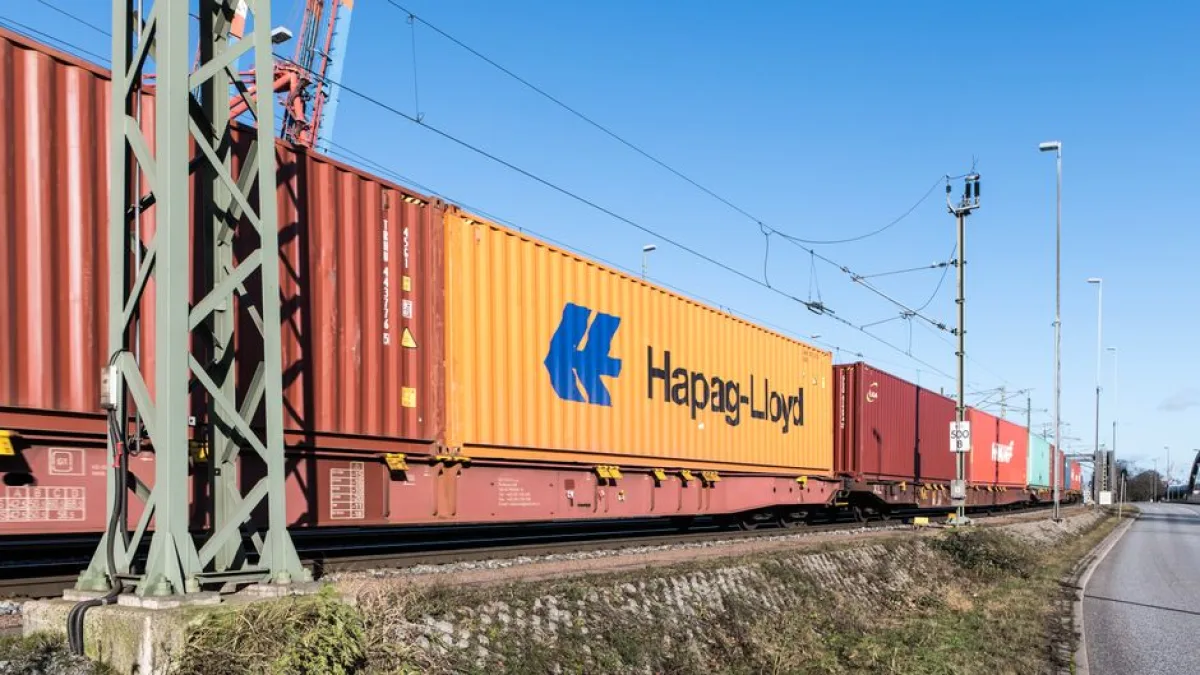
True visibility in logistics extends far beyond simple status updates for your clients. Leveraging integrated cloud platforms allows forwarders to track containers in real time, providing actionable insights that help preempt disruptions and maintain schedule integrity for all cargo movements.
- Integrated tracking APIs: Connecting your freight software directly to ocean carrier APIs provides automatic updates on vessel movements, port congestion, and expected arrival times for every shipment.
- Proactive disruption alerts: Automated notification systems identify potential delays before they impact your clients, allowing you to suggest alternative routing options to maintain your service level commitments.
- Unified carrier dashboard: Combining tracking information from multiple shipping lines into one single interface allows your operations team to monitor complex global networks with total clarity.
- Transparent client portals: Giving customers direct access to a dedicated tracking portal reduces the volume of status inquiries and builds trust through constant, honest shipment updates.
Transparency has become the primary demand of modern shippers who require granular control over their international cargo. By providing high level visibility into every shipment stage, you position your freight forwarding business as a transparent and reliable partner. This operational capability allows you to manage expectations effectively while minimizing the manual follow up calls that consume valuable time for your logistics coordinators.
Optimizing Vendor Communication

Clear communication between forwarders, carriers, and local agents is vital for the successful execution of international freight. Centralized communication hubs eliminate the chaos of scattered email threads and ensure that every stakeholder has access to the latest shipment updates.
- Centralized messaging logs: Moving all communication related to a specific booking into a shared system ensures that no critical instruction or update is ever lost in emails.
- Automated partner updates: Configure your system to push automated status alerts to your overseas agents and transport partners, ensuring everyone acts on the same information.
- Internal task management: Assigning specific follow up tasks within your freight software prevents dropped responsibilities and ensures that every milestone is completed by the correct department.
- Unified contact database: Maintain a clean and updated list of all carrier representatives and local agents to streamline outreach during emergency situations or urgent cargo rerouting requests.
Effective collaboration is the backbone of efficient freight operations. By centralizing all correspondence, you minimize the risk of costly miscommunications and ensure that your entire supply chain network remains aligned. Empowering your team with dedicated communication tools leads to faster decision making and a significant reduction in project lead times. This level of coordination is essential for maintaining excellence in a complex industry.
Leveraging Data for Decision Making

Data is the most valuable asset in modern logistics, yet many firms fail to analyze their operational performance. Utilizing analytics allows forwarders to identify cost saving opportunities, optimize carrier selections, and improve overall profitability through strategic, evidence based business management decisions.
- Performance reporting dashboards: Visualize key performance indicators like shipment volume, profit margins, and carrier reliability to spot trends that directly impact your financial bottom line results.
- Cost analysis tools: Detailed breakdowns of freight spend allow you to identify overcharging or inefficiencies in specific lanes, enabling you to negotiate better rates with carriers.
- Trend forecasting models: Historical data analysis helps you predict seasonal peaks and troughs, allowing for better resource allocation and smarter inventory planning for your logistics firm.
- Carrier benchmarking insights: Evaluate different carrier performance metrics to ensure you are selecting the most cost effective and reliable partners for every specific client shipment request.
Transforming raw data into actionable intelligence is a key step toward operational maturity. By constantly evaluating your freight operations metrics, you gain the ability to make smarter investments and refine your business model for long term profitability. Moving away from reactive management toward a data driven approach ensures your agency remains agile, resilient, and ready to tackle the challenges of the future.
Conclusion
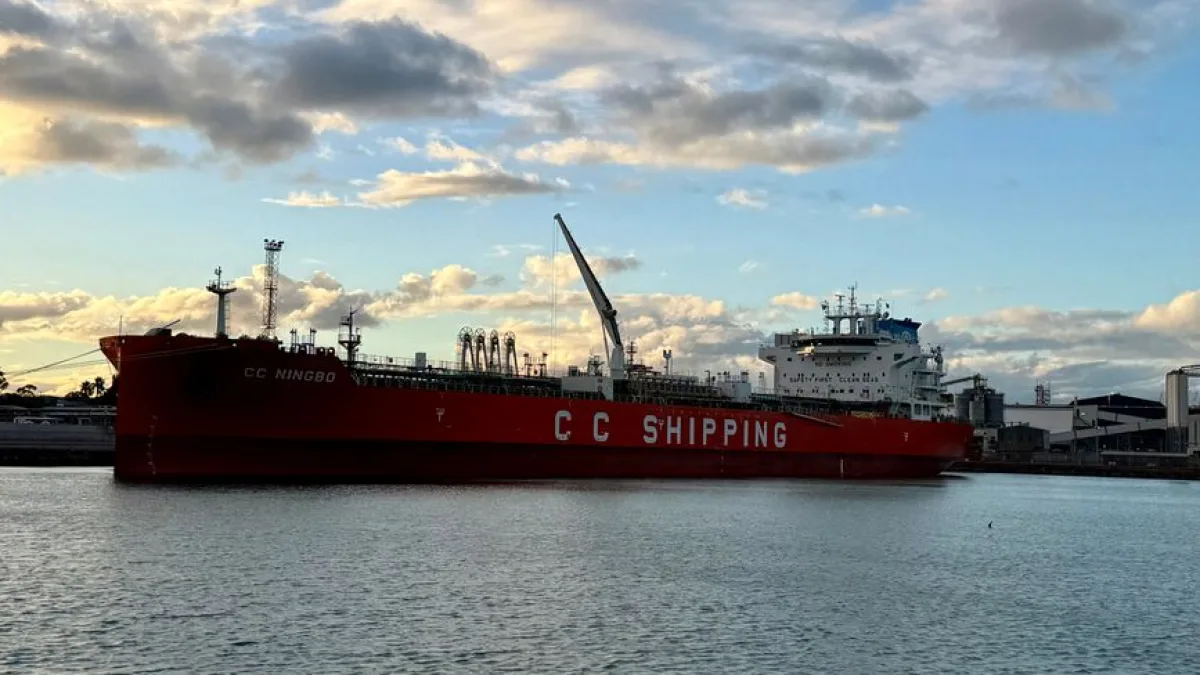
Mastering modern freight operations requires a combination of robust cloud technology and disciplined internal processes. By automating documentation, enhancing visibility, centralizing communication, and utilizing data analytics, your logistics firm can achieve greater scalability. These changes provide the foundation for long term success in an increasingly competitive global environment. Start optimizing your digital infrastructure today to elevate your service quality and drive growth.