Optimizing Freight Operations for Scalable Growth
Saturday, July 25 2026

Modern freight forwarding requires a delicate balance between complex logistics management and customer expectations for real-time transparency. As global trade becomes increasingly volatile, professionals must leverage advanced digital tools to maintain operational efficiency and competitive margins. Transitioning from manual, spreadsheet-based processes to cloud-native platforms allows logistics teams to centralize documentation, automate routine communication, and gain actionable insights into their supply chain performance. By adopting these strategic improvements, forwarders can reduce human error, enhance collaborative workflows, and ultimately provide a superior service experience that scales alongside growing business demands in an interconnected and highly competitive international shipping market.
Digitizing Documentation Workflows

Transitioning from paper-heavy processes to a digital environment is the first step toward operational excellence. By centralizing all shipping manifests and invoices, teams can eliminate data silos and ensure that every stakeholder accesses the most current information without delays or errors.
- Automated Data Entry: Implement OCR technology to extract critical shipment data from PDFs directly into your system, reducing the time spent on manual input by up to eighty percent daily.
- Centralized Document Storage: Secure all bill of lading and commercial invoice files within a single cloud-based repository, ensuring quick retrieval and compliance for all global trade audits.
- Real-Time Collaboration: Enable your team and external partners to comment on documents simultaneously, preventing version control issues and streamlining the approval process for urgent cargo shipments.
- Workflow Automation: Trigger automatic notifications when specific document milestones are reached, ensuring that your accounts team and clients stay updated without requiring constant manual status check emails.
- Standardized Filing Systems: Establish consistent naming conventions and folder structures across your organization, which drastically improves searchability and reduces the time wasted looking for missing shipment paperwork.
By moving your document management to the cloud, you essentially create a single source of truth for your entire organization. This shift reduces the operational friction that often leads to costly delays in customs clearance or invoice processing. When your staff no longer wastes time hunting for files, they can focus their energy on high-value tasks that drive revenue and improve client retention metrics.
Enhancing Real-Time Cargo Visibility
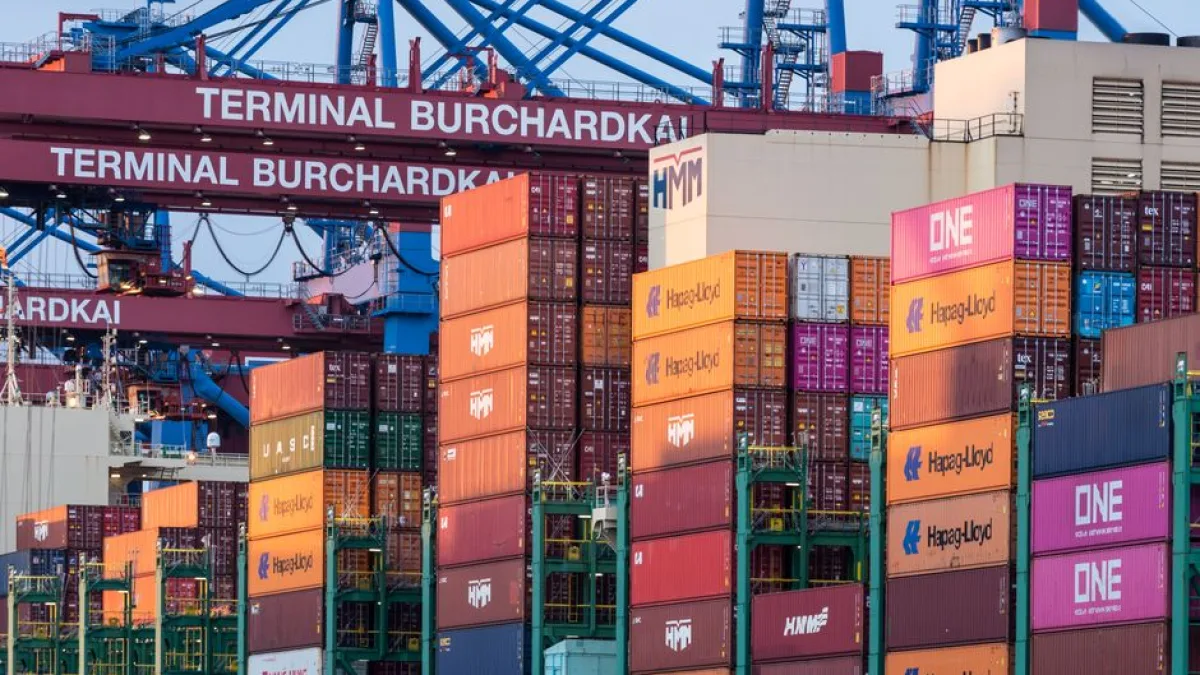
Providing clients with live updates is no longer optional in the current freight landscape. Automated tracking integrations allow forwarders to offer transparent visibility, which builds trust and reduces the volume of repetitive status inquiry calls handled by your customer service team.
- API Integration Power: Connect your platform directly to major shipping lines and trucking APIs, allowing for the automatic ingestion of live tracking data into your internal dashboard.
- Client Portal Access: Grant your customers secure login capabilities to view their shipment progress, which significantly lowers the administrative burden on your staff during peak operating hours.
- Proactive Issue Alerts: Set up automated triggers that notify your operations team immediately when a vessel delay occurs, allowing you to inform clients before they ask questions.
- Carrier Performance Analytics: Use collected tracking data to evaluate the reliability of your carriers over time, helping you make informed decisions about future logistics provider partnerships.
- Multi-Modal Tracking: Combine ocean, air, and road data into one unified view, providing a comprehensive status update for complex shipments that transition through various transport modes daily.
Visibility serves as the backbone of modern freight forwarding because it turns uncertainty into a manageable metric. When clients know exactly where their cargo sits, they feel more confident in your services and are more likely to return for future shipments. This capability transforms your operations from a reactive department into a proactive partner that manages potential disruptions before they impact final delivery.
Optimizing Carrier Management Strategies

Maintaining healthy relationships with a diverse network of carriers is vital for capacity planning. Efficient operational software provides the analytical power necessary to compare rates, review carrier performance, and secure the best possible space allocations during volatile shipping market cycles.
- Rate Management Tools: Store and compare freight quotes from various carriers in one database to ensure you consistently select the most cost-effective options for your clients.
- Performance Reporting: Track key metrics like transit times and damage incident rates, allowing you to hold your logistics partners accountable for the service levels they promise.
- Automated Capacity Requests: Streamline the process of securing space on vessels by sending digital booking requests that sync immediately with your carrier databases and internal inventory systems.
- Smart Negotiation Data: Use historical shipping data to build stronger leverage during annual contract negotiations, ensuring your firm secures favorable terms based on verifiable volume and activity.
- Vendor Compliance Tracking: Monitor the insurance and certification status of all your sub-contractors automatically, reducing the legal risks associated with moving cargo through third-party transport providers.
Leveraging data-driven insights for carrier management creates a buffer against the inherent instability of global shipping. By systematically reviewing vendor performance and automating the booking process, your operations team can secure capacity faster and more reliably. This strategic focus on provider relationships ensures that your business remains resilient even during periods of extreme market disruption and limited availability for global shippers.
Scaling Operations Through Integration

As your freight forwarding business expands, your internal software must connect seamlessly with external accounting, customs, and ERP systems. A robust, API-first approach to software architecture prevents the formation of isolated data pockets and supports rapid business growth through automated synchronization.
- Accounting System Sync: Connect your freight operations platform to your finance software to ensure that invoices are generated and reconciled without requiring manual double entry tasks.
- Customs Filing Automation: Integrate your shipment data with electronic customs filing systems, reducing the time required to submit declarations and lowering the risk of regulatory compliance penalties.
- Scalable Cloud Infrastructure: Utilize a platform that grows with your transaction volume, ensuring that your system performance remains stable even during high-season periods or expansion phases.
- Data-Driven Business Intelligence: Aggregate operational data from all departments to create comprehensive reports that reveal hidden cost centers and opportunities for increasing your overall profit margins.
- Seamless API Connectivity: Utilize open architecture to build custom connections between your software and specialized industry tools, creating a bespoke environment that fits your exact workflow needs.
Integration is the ultimate tool for achieving long-term scalability and operational agility in the logistics sector. By linking your operational data with financial and regulatory systems, you remove the barriers that typically hinder growth during busy periods. This unified digital ecosystem allows your team to handle significantly higher cargo volumes without adding headcount, directly supporting your firm goals for efficiency and profitability.
Conclusion

The future of freight forwarding belongs to those who embrace digital transformation and prioritize operational efficiency. By implementing automated documentation, real-time visibility, smart carrier management, and integrated workflows, your company can surpass current industry standards. Start refining your operations with MakeCargo today to unlock sustainable growth and provide the high-quality, transparent logistics service that your clients expect in this fast-paced global economy.