Optimizing Freight Operations for Scalable Growth
Tuesday, August 18 2026

Modern freight forwarding requires a delicate balance between complex logistics management and the pursuit of operational excellence. As global supply chains face unprecedented pressure, forwarders must move beyond manual workflows to maintain profitability and client satisfaction. Digital transformation acts as the catalyst for this transition, enabling companies to automate tedious tasks while providing real-time visibility across the entire shipping lifecycle. By integrating cloud-based platforms, logistics providers can effectively synchronize data, minimize human error, and foster stronger relationships with stakeholders, ultimately positioning themselves for sustainable expansion in a highly competitive market where every single minute counts toward operational success.
Streamlining Documentation Workflows

Efficient document management remains the backbone of successful freight operations. By transitioning to digital systems, forwarders can reduce processing times and ensure that every bill of lading or customs form is filed correctly within a secure cloud-based environment.
- Centralized data management: Consolidate all shipment documents into a single source of truth to ensure that your team can access vital records from any location without unnecessary delay.
- Automated data entry: Utilize intelligent software to extract information from invoices and packing lists, significantly reducing the frequency of human entry errors during high volume shipping periods.
- Improved compliance tracking: Keep your regulatory documentation organized and up-to-date through automated alerts that remind staff about upcoming deadlines or missing signatures required for customs clearance.
- Enhanced document security: Protect sensitive client information by utilizing encrypted cloud storage solutions that restrict access to authorized personnel only, preventing unauthorized data breaches and leaks.
Adopting these technological improvements allows your team to stop chasing paper trails and start focusing on higher value activities. When documentation moves smoothly, the entire supply chain benefits from reduced friction and faster processing speeds. This digital shift minimizes costly delays at borders and improves your reputation with clients who demand accuracy and reliability in every single transaction they entrust to your logistics company.
Real-Time Shipment Visibility
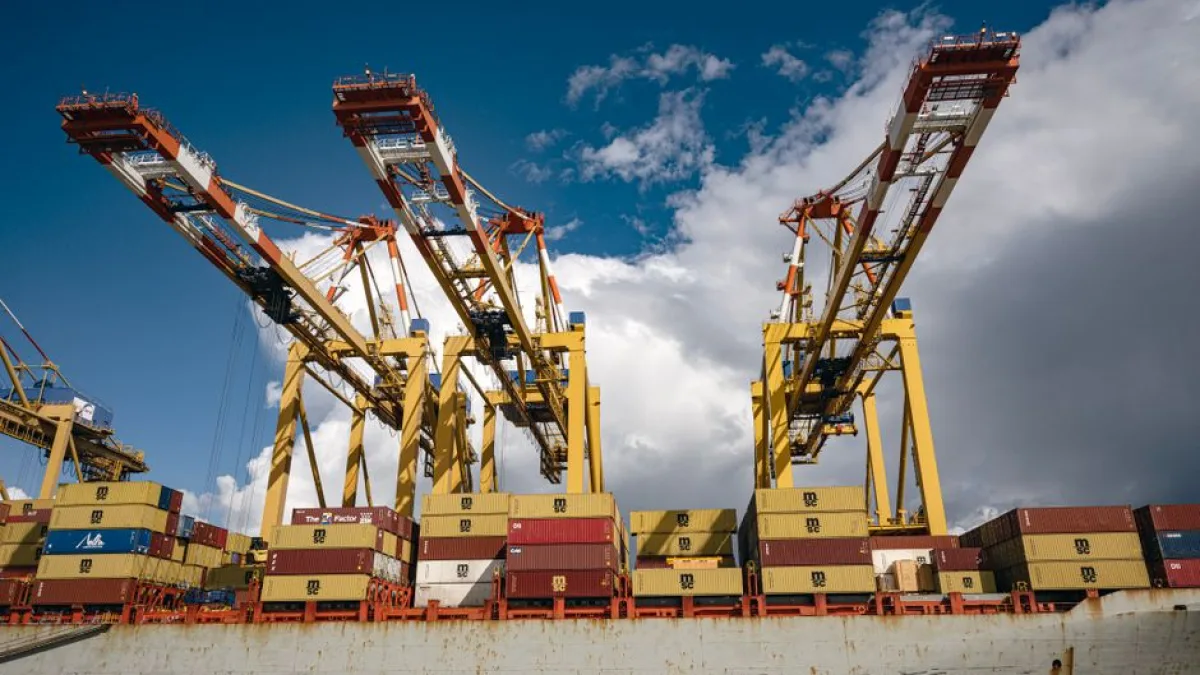
Providing customers with live tracking updates is no longer a luxury but a fundamental necessity. Advanced platforms integrate directly with carriers to provide status updates, ensuring that both internal teams and clients remain informed about shipment progress at all times.
- Live tracking integration: Connect your operations platform with major shipping lines to receive automated status updates, removing the need for manual status checks by your staff.
- Client portal access: Empower your customers to check shipment status independently via a dedicated portal, which drastically reduces the volume of status-related email inquiries sent daily.
- Predictive delay notifications: Identify potential bottlenecks before they happen by analyzing carrier data, allowing you to inform clients of changes and adjust logistics plans well in advance.
- Improved carrier communication: Facilitate better collaboration with trucking partners and shipping lines through integrated messaging systems that keep all correspondence attached to specific cargo shipment files.
Visibility serves as the core of modern freight forwarding excellence and customer trust. When you offer clear insights into the movement of goods, you build confidence with partners and reduce the time spent on reactive status reporting. This proactive approach to logistics management keeps your operations running efficiently while giving clients the peace of mind they need to grow their own businesses globally.
Automating Financial Reconciliation

Managing freight invoices often consumes significant time due to complex tariff structures and currency conversions. Automating financial reconciliation processes ensures that every profit margin is protected while reducing the administrative burden on your accounting department throughout the busy month.
- Automatic invoice matching: Use software to cross-reference carrier invoices with original quotes, ensuring that you only pay for services provided at the agreed rates without manual verification.
- Currency management tools: Handle international shipments with ease by utilizing automated conversion features that adjust for fluctuating exchange rates, ensuring accurate financial reporting for every file.
- Rapid cost allocation: Distribute costs across different shipment legs automatically, which provides clear insight into the profitability of every single movement handled by your operations team.
- Reduced payment delays: Streamline the approval process for outgoing payments, which helps maintain strong relationships with your carriers while avoiding late fees and potential service interruptions.
Optimized financial workflows provide a clear view of your company performance while freeing up staff for growth-oriented tasks. By removing manual invoice processing, you eliminate the risk of overpayment and missed billing opportunities. This financial transparency is essential for scaling a freight forwarding business because it ensures that your cash flow remains stable even as your total volume of shipments grows rapidly.
Fostering Team Collaboration
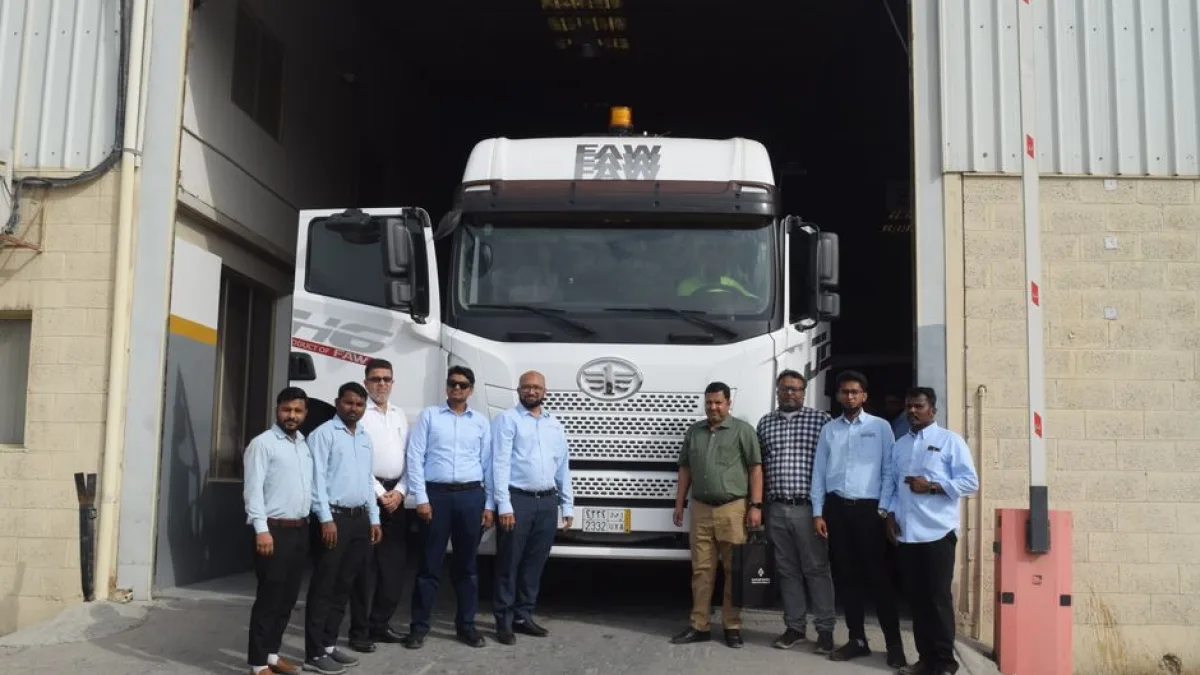
Success in logistics relies on effective teamwork across departments. Cloud-based platforms allow your sales, operations, and accounting teams to work from a shared digital space, ensuring that everyone remains aligned regardless of their physical location or the time of day.
- Shared task management: Assign responsibilities clearly within the software to ensure that no operational task is forgotten, which prevents bottlenecks during the critical final stages of shipping.
- Integrated communication tools: Discuss specific shipment issues directly inside the platform to ensure that all relevant context is preserved for future reference and internal auditing needs.
- Role based access control: Customize user permissions to ensure that staff members access only the information they need, keeping your data organized and secure at all levels.
- Enhanced knowledge sharing: Build a internal library of best practices and standard operating procedures directly within your platform to train new employees more efficiently and effectively.
When teams work in sync, service quality improves and error rates drop significantly. Breaking down communication silos is a critical step for forwarders aiming to scale their operations without sacrificing the quality of service provided to shippers. By leveraging shared digital tools, you create a culture of transparency and efficiency that empowers your employees to deliver exceptional results for every customer shipment.
Conclusion

Transforming your freight operations with modern cloud software is the most effective way to scale your logistics business. By focusing on document automation, real-time visibility, financial reconciliation, and team collaboration, you position your firm for long-term success. Start auditing your internal processes today to identify where technology can bridge the gap, ensuring your team remains productive and profitable in an evolving global market.