Optimizing Freight Operations for Scalable Growth
Saturday, September 26 2026
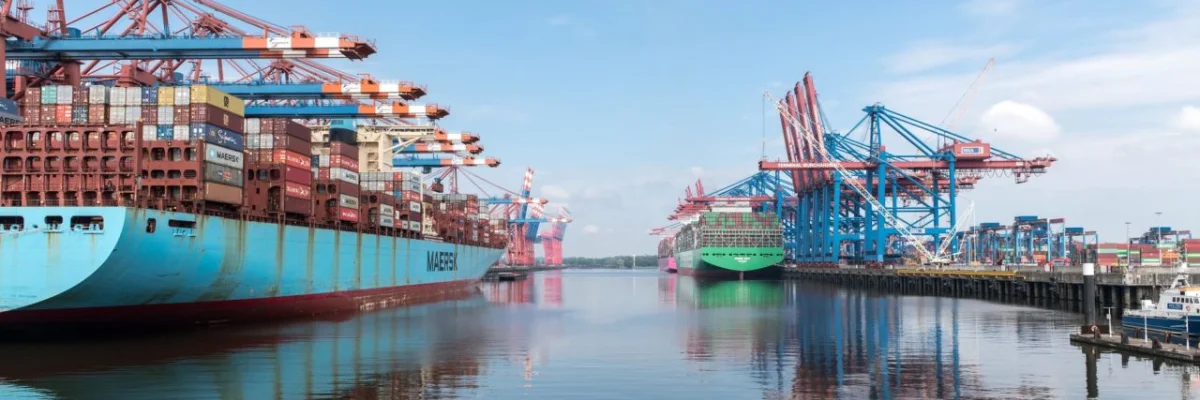
Modern freight forwarding requires a delicate balance between rapid execution and meticulous compliance oversight. As global supply chains face increasing volatility, forwarders must move beyond legacy manual processes that drain productivity and introduce human error. By leveraging cloud-based platforms, professionals can gain real-time visibility into their entire logistics network while ensuring seamless coordination between stakeholders. This transition to digitized workflows is not merely an optional upgrade but a fundamental requirement for maintaining a competitive edge in a crowded marketplace where speed, accuracy, and transparent communication remain the primary drivers of long-term client retention and operational success.
Automating Shipment Documentation

Document management often consumes valuable hours that your team should spend on high-level strategic tasks. Automating the creation and validation of bills of lading and customs forms reduces errors, accelerates processing cycles, and keeps shipments moving across borders without unnecessary delays.
- Reduced data entry: Automation tools extract information directly from your existing records, which significantly decreases the likelihood of manual typing errors that cause expensive documentation disputes during transit.
- Standardized document templates: Consistent templates ensure that every piece of documentation remains compliant with international trade regulations, protecting your agency from potential fines and shipment hold-ups globally.
- Faster document routing: Digital workflows automatically trigger notification emails to relevant stakeholders, which ensures that paperwork reaches the correct customs office or warehouse before the physical cargo.
- Centralized document repository: Cloud storage allows your team to access any historical document in seconds, providing a searchable audit trail that simplifies compliance checks and improves transparency.
By shifting to an automated document ecosystem, your operations team can effectively reclaim hours of labor every single week. This newfound time allows professionals to focus on resolving complex exceptions rather than repetitive administrative data entry. As your volume grows, these automated systems scale alongside your business, ensuring that your document processing power never becomes a bottleneck for your clients or your growth.
Enhancing Real-time Shipment Visibility
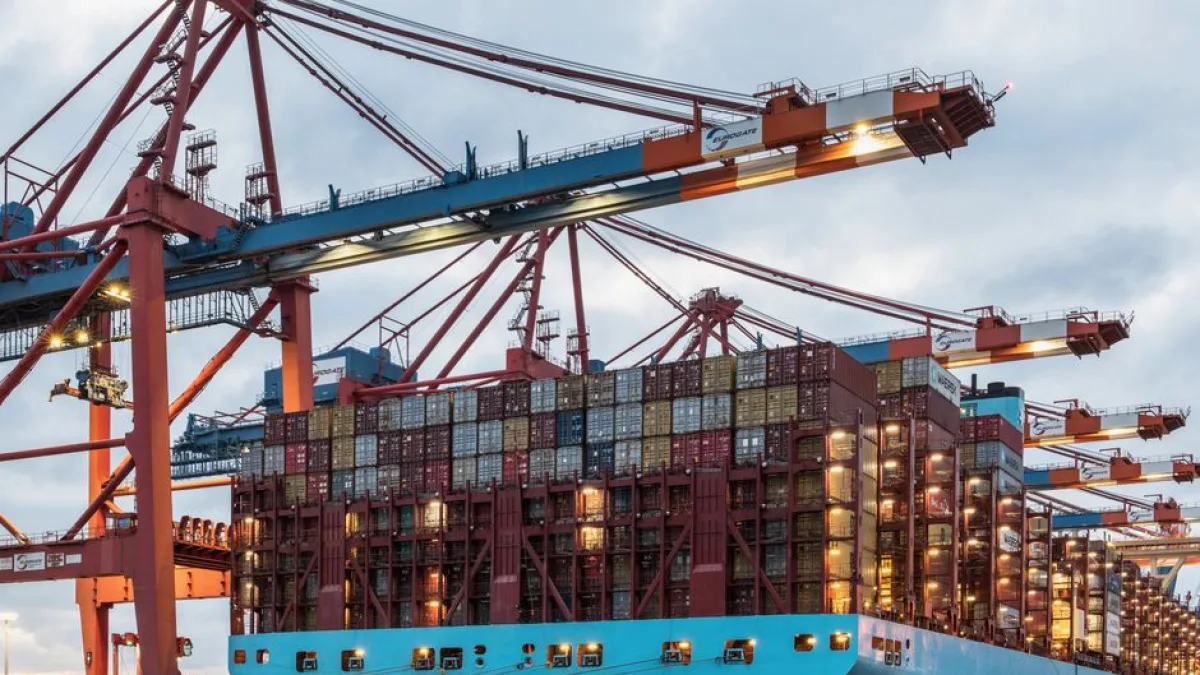
Visibility is the backbone of trust in the freight industry today. Providing clients with live tracking capabilities transforms the service experience, turning a opaque shipping process into a reliable partnership characterized by proactive updates and shared operational intelligence across the chain.
- Live tracking updates: Integrating carrier APIs provides your dashboard with precise location data, which keeps your customers informed about their cargo status throughout every stage of transport.
- Proactive anomaly alerts: Smart software detects potential delays caused by weather or port congestion, allowing you to notify clients early and offer alternative routing solutions before issues escalate.
- Customer self-service portal: Giving your clients access to a secure online portal reduces the frequency of status inquiry calls, letting them pull reports and tracking details independently.
- Enhanced carrier communication: Unified platforms facilitate instant messaging between your agents and global carriers, which ensures that critical shipment updates are shared immediately rather than waiting for emails.
Visibility serves as the ultimate differentiator for forwarders who want to charge premium rates for professional services. When clients know exactly where their goods are and when they will arrive, their trust in your brand deepens significantly. This transparency transforms your relationship from a commodity service provider into a strategic partner that adds measurable value to their internal supply chain management processes.
Streamlining Financial Reconciliation

Financial health depends on the speed and accuracy of your invoicing processes. When revenue recognition lags behind shipment milestones, your cash flow suffers, making it difficult to plan for growth or handle unexpected operational costs that arise in complex logistics environments.
- Automated invoicing triggers: Linking financial documents to shipment status milestones ensures that invoices are issued immediately upon delivery, which improves your cash flow and reduces aging receivables.
- Integrated cost tracking: Real-time cost monitoring helps you identify discrepancies between estimated and actual vendor charges, preventing margin erosion on complex shipments with multiple hidden fees.
- Digital payment integration: Offering secure digital payment portals makes it easier for your customers to settle invoices promptly, significantly reducing the administrative burden on your accounting staff.
- Multi-currency support: Advanced financial tools manage currency fluctuations automatically, which simplifies the process of billing international clients without needing manual currency conversions or complex exchange rate spreadsheets.
A streamlined financial process ensures that your business remains liquid and prepared for new investment opportunities. By eliminating the manual reconciliation of spreadsheets, your finance department can provide accurate insights into your company profitability. This data allows management to make informed decisions about which shipping lanes are most profitable and where to allocate resources to maximize overall company growth potential.
Integrating Global Trade Compliance

International trade regulations change rapidly and failure to keep up can lead to severe penalties or cargo seizures. Integrating compliance checks directly into your freight management system ensures that every shipment adheres to the latest legal standards without manual oversight.
- Automated screening tools: Built-in software automatically screens all parties against international watchlists, which minimizes the risk of doing business with restricted entities or sanctioned individuals and organizations.
- HS code verification: Predictive systems suggest the correct harmonized system codes, reducing the risk of incorrect tariff classifications that lead to overpayment or underpayment of duties globally.
- Real-time compliance alerts: Notifications about shifting import laws or trade restrictions allow your team to adjust documentation practices instantly, ensuring your operations remain entirely compliant and secure.
- Audit-ready data logs: Automated logs capture every interaction and decision made during a shipment, providing a comprehensive audit trail that is ready for regulatory inspectors at anytime.
Maintaining a proactive approach to compliance protects your agency reputation and prevents costly operational disruptions during the shipping process. When you embed these checks into your standard workflow, compliance becomes an invisible but essential part of your service offering. This commitment to legal excellence builds a foundation of reliability that long-term clients value when they entrust their most sensitive shipments to your care.
Conclusion

Optimizing freight operations through modern cloud technology is essential for long-term success. By embracing automation, improving visibility, and digitizing financial workflows, forwarders can enhance their service quality while managing costs. Start your transformation today by evaluating your current platform capabilities. MakeCargo provides the tools necessary to scale your logistics operations, ensuring that your team remains agile and competitive in an evolving global market environment.