Optimizing Freight Operations for Scalable Logistics Growth
Sunday, August 2 2026

Modern freight forwarding requires a delicate balance of precision, speed, and visibility to remain competitive in an increasingly global market. As supply chains grow more complex, professionals must leverage advanced digital tools to manage workflows and eliminate manual errors that hinder productivity. By centralizing data and automating routine tasks, logistics firms can transform their operations from reactive firefighting into a proactive, data-driven engine. This strategic shift not only improves the overall customer experience but also establishes a solid foundation for sustainable growth, allowing your team to handle higher shipment volumes without compromising quality or operational integrity during peak seasonal demand.
Digitizing Operational Workflows

Transitioning from manual spreadsheets to a cloud-based freight management system allows teams to capture critical shipment data in real time. This transition reduces data entry errors while providing a single source of truth for all stakeholders involved in the supply chain lifecycle.
- Centralized Data Management: Consolidating all documentation into one accessible portal ensures that team members can retrieve vital information instantly without searching through endless email chains or outdated physical filing cabinets.
- Automated Workflow Triggers: Establishing automated task reminders prevents critical milestones from being overlooked while ensuring that every shipment moves through the required approval stages without any unnecessary administrative delays.
- Real-time Visibility Access: Providing immediate status updates through an integrated dashboard helps your team communicate effectively with clients while reducing the sheer volume of routine tracking inquiries received daily.
- Enhanced Document Security: Cloud storage platforms offer superior protection against data loss by implementing robust encryption and regular backups that keep sensitive client information safe from potential cybersecurity threats.
Adopting digital workflows is the most effective way to eliminate friction within your daily operations. By removing reliance on paper based systems, your firm can achieve a level of agility that was previously unattainable. This transition empowers your staff to focus on solving complex logistical challenges rather than being consumed by manual administrative overhead, ultimately leading to higher efficiency and better overall service levels.
Streamlining Carrier Communications
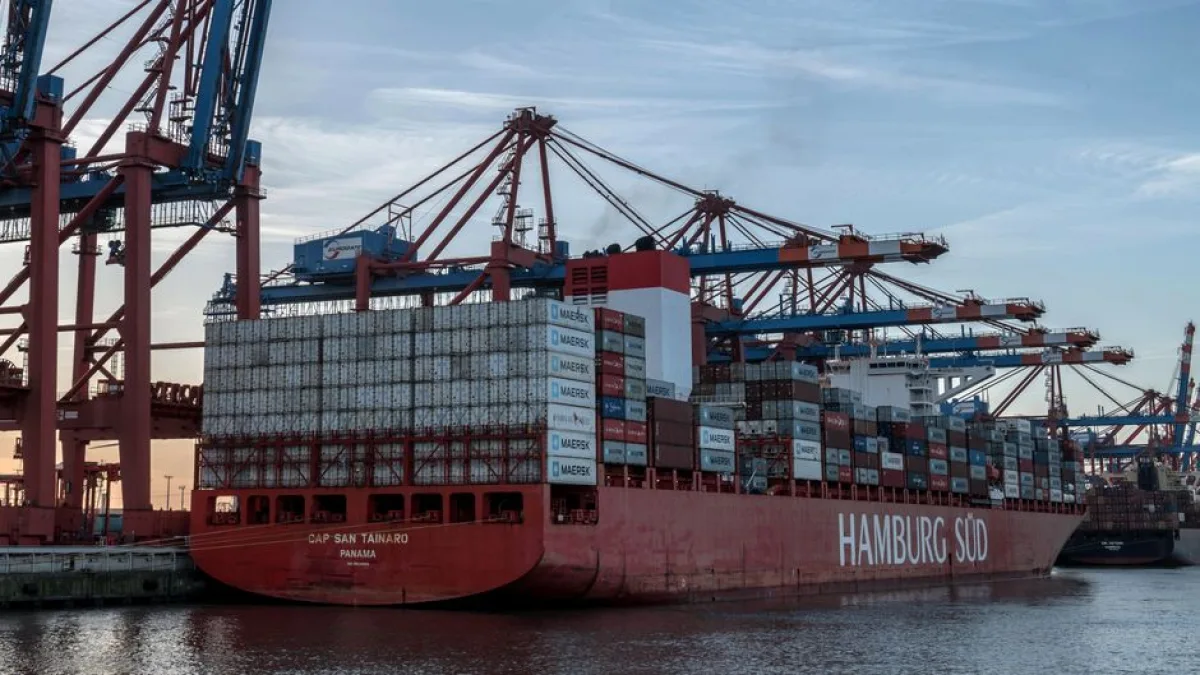
Efficient communication with ocean, air, and road carriers is essential for maintaining smooth shipment transit. Implementing structured messaging protocols prevents information silos and ensures that everyone is aligned on delivery schedules and potential bottlenecks throughout the complex international transport process.
- Structured Messaging Channels: Utilizing dedicated communication features within your software keeps all carrier correspondence attached directly to the shipment file for easy auditing and future reference by your team.
- Standardized Status Updates: Requesting updates through standardized digital templates ensures that you receive consistent information from partners, which simplifies the task of monitoring performance against agreed service levels.
- Instant Notification Alerts: Receiving automated alerts regarding schedule changes or port congestion allows you to notify clients proactively before they realize there is a delay in their cargo.
- Collaborative Partner Portals: Giving carriers direct access to a partner portal reduces the back and forth coordination while keeping shipment requirements clearly defined and accessible to all parties.
Strong carrier relations rely on consistent and clear information exchange across every point of contact. By standardizing how you communicate with partners, you remove ambiguity and build trust that leads to smoother operations. This disciplined approach minimizes the risk of miscommunication, which is frequently the primary cause of shipment delays and costly operational setbacks in the modern global freight forwarding industry today.
Mastering Automated Documentation

Customs compliance and shipping documentation are often the most time consuming aspects of freight forwarding. Automating the generation of bills of lading, commercial invoices, and packing lists significantly reduces the burden on your staff while maintaining strict regulatory compliance standards.
- Auto Populated Templates: Using existing shipment data to auto fill standard legal documents saves hours of manual labor and eliminates common typographical errors that frequently lead to customs rejection.
- Compliance Check Modules: Integrated software tools verify data entries against international shipping regulations to ensure all paperwork meets destination requirements before the cargo ever leaves the departure warehouse facility.
- Digital Signature Integration: Adopting electronic signatures speeds up the approval process for important documents, allowing you to finalize transactions remotely without waiting for physical couriers or postal delivery.
- Version Control Systems: Maintaining a clear history of document edits ensures that everyone is working on the latest version of a file, preventing confusion during the clearance process.
Efficient documentation management is the backbone of successful logistics operations. When you automate repetitive tasks like data entry and template generation, you empower your employees to focus on high value activities like problem solving and relationship management. This shift creates a more professional workflow that minimizes the risk of costly delays at border crossings, ultimately strengthening your reputation as a reliable and precise forwarder.
Leveraging Advanced Data Analytics

Data is the most valuable asset in logistics, yet many firms fail to leverage it effectively. By analyzing shipment performance metrics, you can identify recurring delays, optimize routing choices, and negotiate better rates with carriers based on historical volume data and performance.
- Performance Trend Analysis: Reviewing historical shipping data helps you spot recurring issues with specific trade lanes or carriers, allowing you to make informed decisions that improve your reliability.
- Cost Optimization Insights: Identifying patterns in your expenditure allows you to adjust your purchasing strategy and take advantage of volume discounts that were previously hidden from sight.
- Proactive Problem Solving: Predictive analytics tools alert you to potential risks based on weather patterns or port data so you can reroute cargo before issues arise.
- Client Reporting Features: Generating automated reports for your customers demonstrates the value your firm provides through transparency, which helps you retain long term accounts and build loyalty.
Data driven decision making transforms how your freight forwarding business operates on a daily basis. Instead of relying on gut feelings, you can use objective metrics to guide your strategy and improve profitability. When you utilize the insights provided by your logistics software, you gain a competitive advantage that allows you to scale operations with confidence and precision in any global market environment.
Conclusion
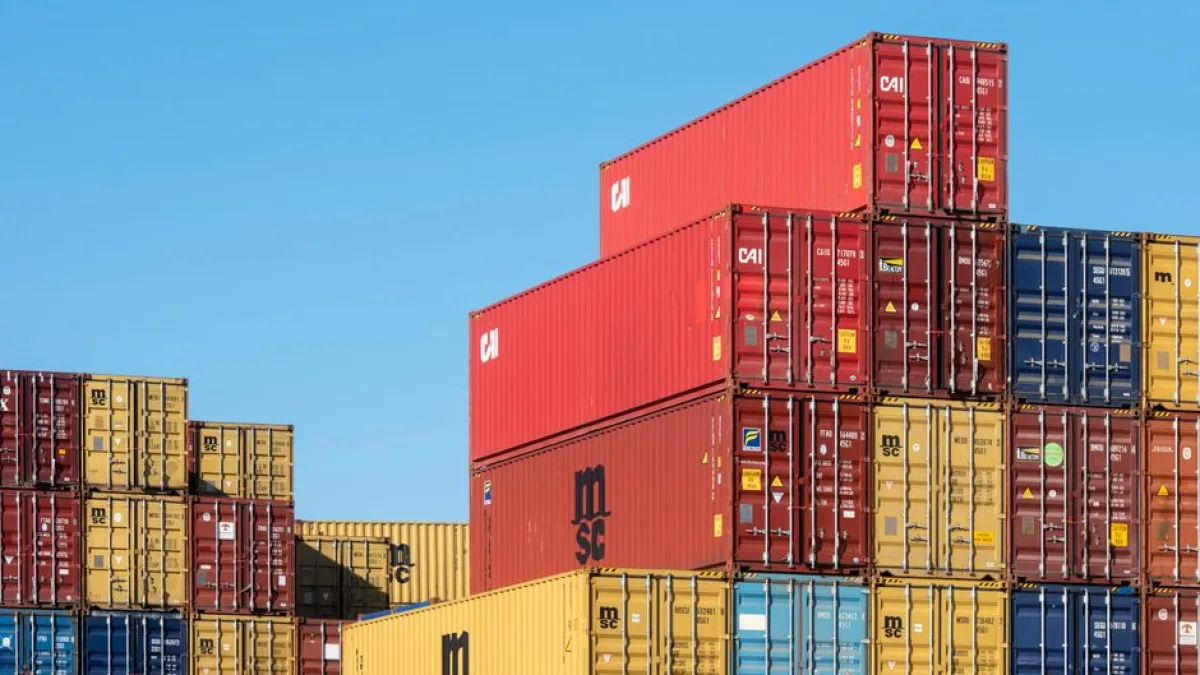
Optimizing your freight operations is a continuous process that demands the right balance of technology and strategy. By digitizing workflows, streamlining communications, automating documentation, and analyzing data, you can build a resilient logistics firm. Start evaluating your current software capabilities today to ensure your team is equipped for future growth. Contact MakeCargo to learn how our cloud platform supports your operational goals effectively.