Optimizing Freight Operations for Scalable Logistics Growth
Saturday, August 22 2026
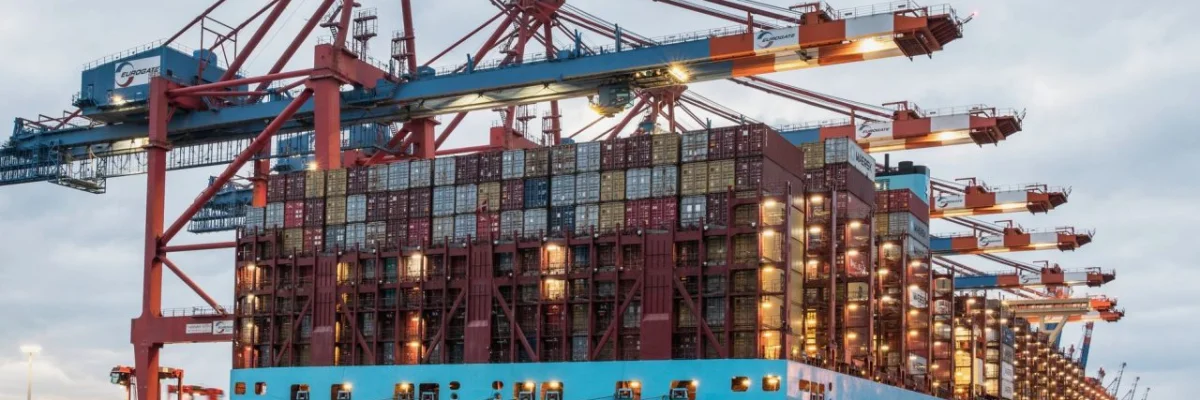
Modern freight forwarding requires a delicate balance of speed, accuracy, and technological integration. As global supply chains become increasingly volatile, forwarders must move beyond manual processes to remain competitive in a crowded market. By leveraging cloud-based platforms like MakeCargo, logistics professionals can centralize fragmented data streams, reduce administrative overhead, and provide real-time transparency to their customers. This transformation is not merely about digitizing paperwork, but about fundamentally restructuring how your team interacts with global carriers and shippers. Embracing digital agility is the primary differentiator for companies aiming to scale operations effectively in today's complex international trading environment.
Streamlining Documentation Workflows

Managing global shipments generates an overwhelming volume of paperwork that slows down operational velocity. Digitizing these documents ensures that your team spends less time on data entry and more time on high-level strategic decision-making and client support.
- Centralized document storage: Cloud systems allow your entire team to access essential shipping documents from any location, ensuring that everyone works from the most current version of the digital files.
- Automated data extraction: Intelligent software tools can automatically pull critical information from invoices and bills of lading to minimize human error and accelerate the customs clearance processing time.
- Version control tracking: Maintaining a clear history of edits prevents conflicting data within your records and provides an audit trail that is essential for compliance and regulatory reporting.
- Integrated communication tools: Connecting your document management system with messaging platforms ensures that partners receive updates instantly, which reduces the reliance on lengthy and disorganized email chains for updates.
By automating the document lifecycle, forwarders can significantly reduce their operational costs and administrative burdens. Shifting away from manual spreadsheet tracking creates a more resilient foundation for your business. When information flows seamlessly across your organization, you eliminate the common bottlenecks that hinder growth. Investing in these digital efficiencies today will allow your staff to focus on growth rather than repetitive manual administrative tasks.
Enhancing Carrier Coordination
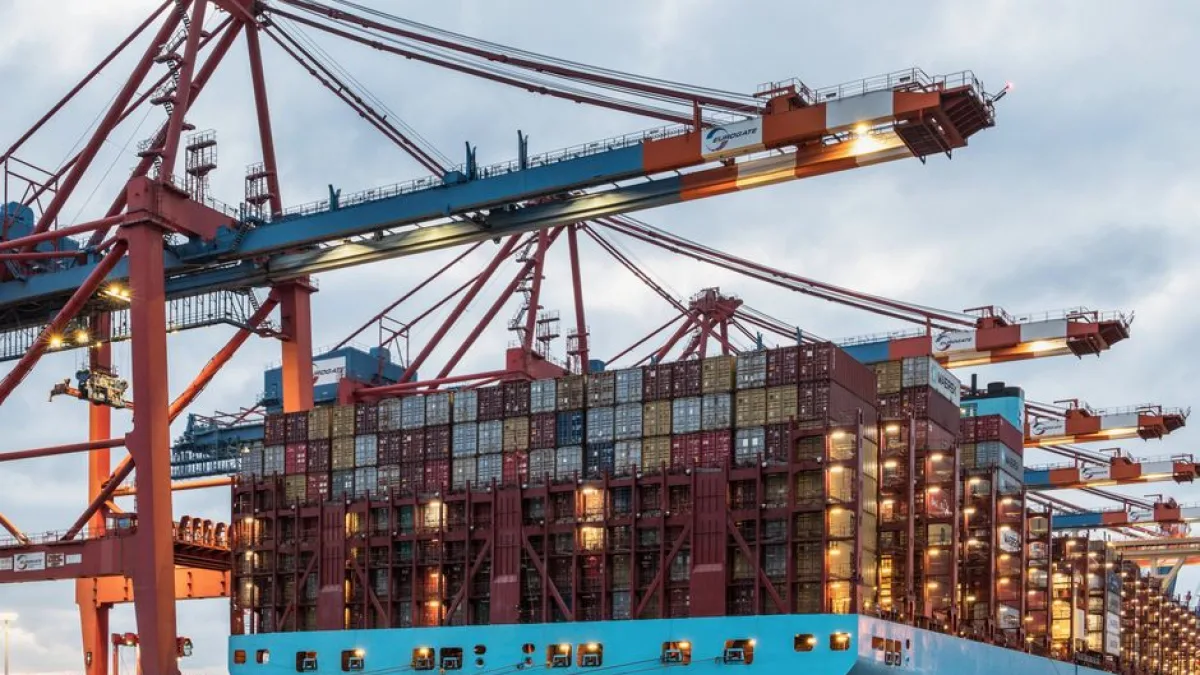
Efficient communication with ocean and air carriers is the backbone of successful logistics. Real-time updates and proactive scheduling help avoid costly delays and ensure that cargo moves through the global network with maximum reliability and minimal service interruptions.
- Real time scheduling: Maintaining a live dashboard of carrier schedules allows you to optimize transit times while keeping your customers informed about their cargo status at all times.
- Digital booking portals: Modern platforms enable you to request space and submit bookings directly through integrated portals, significantly reducing the time spent on phone calls and emails.
- Performance tracking metrics: Evaluating carrier reliability through detailed analytical reports helps you choose the best partners for specific trade lanes and improves overall service quality for customers.
- Exception management alerts: Automated notification systems flag potential delays early, giving your team the necessary lead time to arrange alternative transport solutions before the schedule impact worsens significantly.
Strengthening carrier relationships through technology builds trust and operational efficiency across the entire supply chain. When you manage your carrier interactions through a unified dashboard, you gain better leverage and visibility during contract negotiations. Proactive management of your shipping partners ensures that you maintain consistent service levels regardless of external market pressures. This strategic alignment ultimately translates into better outcomes for your clients.
Improving Client Transparency

Today's shippers demand instant visibility into their supply chains. Providing your customers with a branded portal where they can monitor their shipments builds trust and reduces the volume of status inquiries handled by your operations team.
- Client facing dashboards: Providing a secure web portal lets customers track their own cargo in real time, which decreases the demand for manual status updates from staff members.
- Automated shipment notifications: Configurable alerts keep your clients informed about key milestones such as arrival at port or customs clearance completion without manual input from your operations team.
- Historical data analytics: Enabling clients to review their past performance and shipping costs through custom reports adds value to your service and encourages long-term retention of partners.
- Customizable branding options: Presenting your technology platform with your own company logo and colors strengthens your brand identity and reinforces a professional image during every customer interaction process.
Transparency is the most effective tool for building long-term loyalty in the competitive freight forwarding industry. By offering deep visibility into every movement, you become a partner rather than just a service provider. Digital self-service portals free up your employees to focus on solving complex logistical challenges. As a result, your clients feel more confident and in control of their own supply chain.
Mastering Regulatory Compliance

Navigating the complex landscape of international customs regulations requires precision and constant vigilance. A cloud-based platform helps you maintain compliance by standardizing your processes and ensuring that all trade documentation meets the requirements of global authorities every single time.
- Standardized compliance workflows: Implementing consistent procedures across all branches ensures that your documentation complies with regional trade regulations, which helps in avoiding fines and lengthy cargo hold periods.
- Restricted party screening: Integrated security tools automatically check every transaction against global sanction lists to protect your company from involvement in unauthorized international trade or prohibited shipping activities.
- Automated regulatory updates: Modern logistics software provides alerts when trade policies change, ensuring that your operational procedures are always aligned with the latest legal requirements and trade standards.
- Secure audit trails: Keeping immutable records of all customs filings simplifies the process of external audits and demonstrates your company commitment to total transparency and legal adherence.
Maintaining high compliance standards protects your reputation and prevents costly operational disruptions. When you automate the regulatory aspects of freight forwarding, you create a safety net that protects both your business and your customers. This level of diligence simplifies complex international trade, allowing your team to operate with confidence. Prioritizing compliance through technology is a vital investment for long-term sustainable growth in logistics.
Conclusion

Mastering freight operations requires the right combination of technology and strategic oversight. By centralizing your workflows and embracing digital tools, you can reduce costs while significantly increasing your service quality. The shift towards cloud-based solutions is essential for forwarders who want to scale effectively. Contact the MakeCargo team today to learn how our platform can help you optimize your daily logistics operations.