Optimizing Freight Operations for Scalable Logistics Growth
Saturday, September 5 2026

Modern freight forwarding is undergoing a massive transformation driven by digital integration and the demand for real time visibility across global supply chains. As market volatility becomes the new normal, forwarders must move beyond legacy manual processes to maintain a competitive edge. Leveraging cloud based software allows firms to automate repetitive administrative tasks while focusing on high value strategic decision making. By centralizing operations within a unified digital ecosystem, your team can eliminate data silos, reduce human error, and provide clients with the transparent, reliable service they expect in today's fast paced global trading environment.
Automating Shipment Documentation

Digital transformation begins with digitizing your document workflow to reduce the time spent on manual data entry and processing. Efficient systems ensure that bills of lading and commercial invoices flow seamlessly between stakeholders without requiring constant human intervention or constant follow up emails.
- Automated Data Capture: Intelligent software extracts data from invoices and packing lists automatically to prevent transcription errors and ensure that your documentation remains accurate throughout the entire transit process.
- Standardized Document Templates: Predefined templates allow your team to generate recurring shipping documents instantly, ensuring compliance with international standards while saving significant time during daily operational work cycles.
- Centralized Cloud Storage: Keeping every document in a single secure cloud environment ensures that your staff members can access critical shipping files from any location at any time.
- Integrated Digital Signatures: Implementing electronic signature capabilities accelerates the approval process by allowing carriers and customers to finalize contracts and delivery receipts digitally without needing physical paper copies.
By shifting away from legacy paper based workflows, you effectively minimize the risk of costly administrative delays. Modern cloud tools act as a force multiplier, allowing your staff to process significantly higher shipment volumes without expanding headcount. This efficiency gain translates into faster billing cycles, improved vendor relationships, and a much cleaner audit trail that supports long term business growth and operational transparency.
Enhancing Real Time Visibility
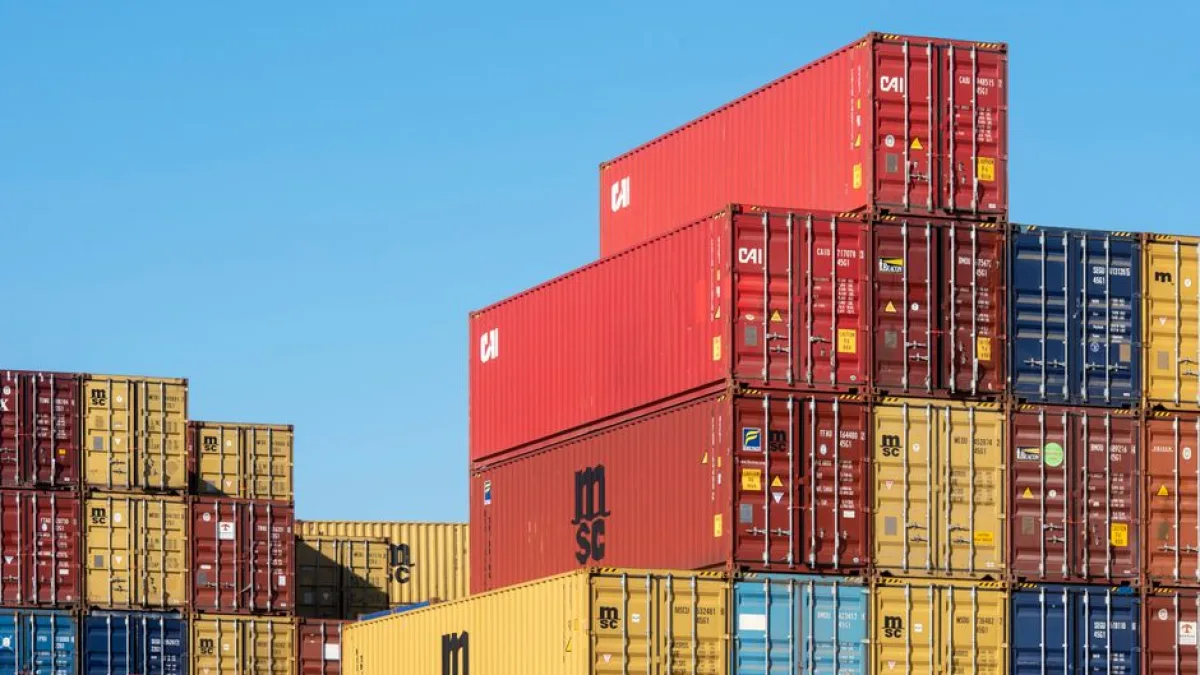
Global logistics demand total visibility, forcing forwarders to provide stakeholders with instantaneous status updates throughout the journey. Integrated tracking systems connect directly with carrier APIs to push real time updates into your dashboard for immediate review and action.
- Live Shipment Tracking: Connecting directly with shipping lines allows your operations team to monitor cargo status updates in real time and notify customers before potential issues even occur.
- Proactive Exception Alerts: Automated notifications trigger whenever a shipment deviates from its planned schedule, enabling your team to resolve delays quickly and maintain high levels of customer satisfaction.
- Unified Dashboard View: Consolidating data from ocean, air, and ground transport into one screen gives your managers a comprehensive overview of all active logistics movements across every region.
- Customer Self Service: Providing clients with a dedicated tracking portal reduces the volume of status inquiries your team receives, allowing staff to focus on complex operational challenges instead.
Visibility serves as the backbone of modern freight forwarding, building deep trust with your clients by removing uncertainty. When customers have access to precise, live data, they feel empowered and informed, which drastically reduces the strain on your customer support teams. Embracing these advanced visibility tools ultimately transforms your business from a basic service provider into a strategic partner for your clients global trade.
Optimizing Carrier Communication

Streamlining communication with carriers is essential for avoiding misinterpretations and ensuring that logistics capacity is booked at competitive rates. Centralized messaging platforms replace fragmented email chains with organized, traceable records of every negotiation and shipment adjustment request made during the transit.
- Automated Booking Requests: Standardized digital forms allow your team to send precise booking requests to carriers, reducing back and forth correspondence and ensuring that all necessary information is captured.
- Centralized Messaging Logs: Keeping communication records attached to specific shipment files prevents the loss of important details and provides a clear history for future dispute resolution or audits.
- Real Time Rate Updates: Automated integration with carrier rate sheets ensures that your quotes are always based on current market pricing, protecting your profit margins from unexpected fluctuations.
- Instant Status Notifications: Automated alerts regarding capacity changes or equipment shortages keep your team ahead of potential disruptions, allowing for quick pivots to alternative shipping routes when necessary.
Efficient communication is the key to maintaining operational agility in a crowded marketplace. By utilizing dedicated freight software to manage interactions, you remove the clutter of personal inboxes and ensure that critical instructions never go missing. This clarity reduces friction in your logistics chain, fostering better partnerships with carriers and ensuring that every stakeholder remains perfectly aligned throughout the entire shipment lifecycle.
Strengthening Financial Compliance

Precise financial management is the cornerstone of sustainable freight operations, requiring tight integration between your booking system and your accounting ledger. Automated invoicing and expense tracking prevent revenue leakage and ensure that every shipment remains profitable from the moment it is booked until final reconciliation.
- Automated Invoice Matching: Smart algorithms automatically compare carrier invoices against the original booking quotes to identify discrepancies, ensuring that you never overpay for services or carrier surcharges again.
- Streamlined Billing Cycles: Automated invoicing triggers the moment proof of delivery is received, significantly reducing days sales outstanding and improving your overall cash flow position for operational investments.
- Real Time Profit Tracking: Monitoring the profitability of every individual shipment in real time allows you to identify trends and adjust your pricing strategies for future customer engagements.
- Comprehensive Financial Reporting: Robust reporting tools provide deep insights into revenue streams and operating costs, enabling leadership to make data driven decisions regarding resource allocation and business growth.
Solid financial controls are not merely about compliance, they are about building a resilient and profitable logistics enterprise. By automating the reconciliation process, you free your finance department from tedious manual checking and minimize the likelihood of expensive clerical errors. Robust financial visibility provides the confidence needed to scale your operations rapidly while maintaining strong margins and steady cash flow throughout the year.
Conclusion
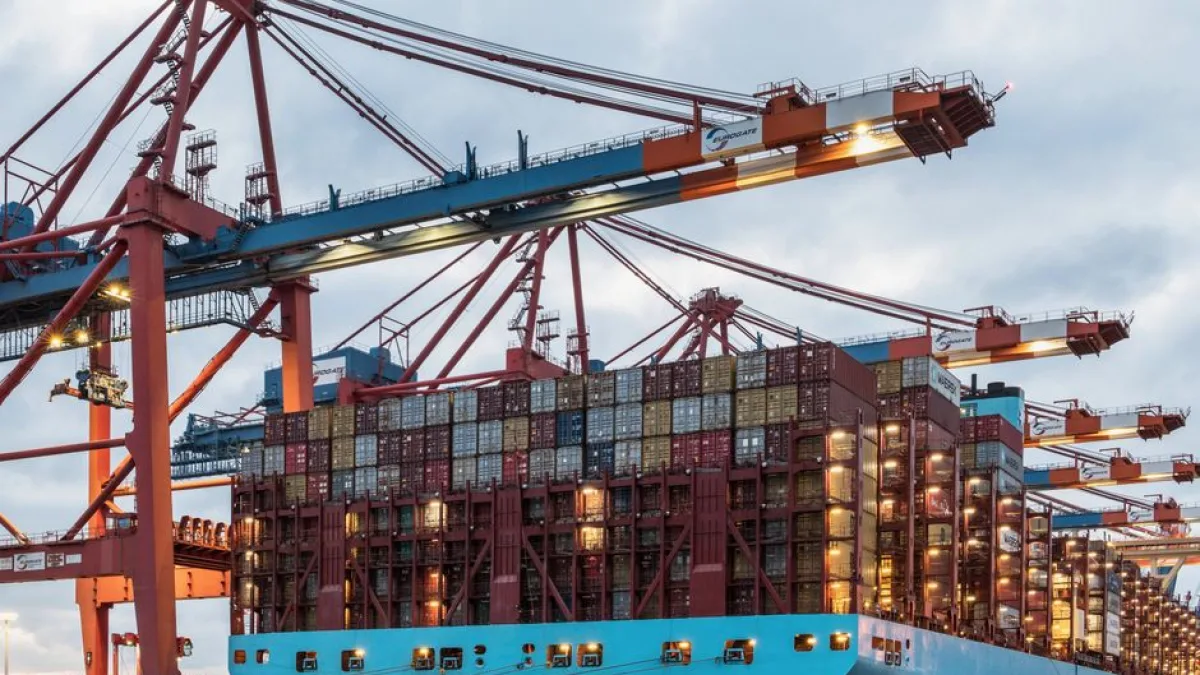
Integrating cloud technology into your freight operations is no longer optional for firms aiming to lead the market. By automating documentation, enhancing visibility, streamlining communication, and securing financial controls, your team can scale effectively. Embrace the power of modern software solutions to reduce operational friction and deliver unmatched service to your global clients. Start your digital transformation journey with MakeCargo today for better results.