Optimizing Freight Operations for Scalable Logistics Growth
Tuesday, September 15 2026

Modern freight forwarding requires a delicate balance between rapid execution and meticulous documentation. As supply chains grow more complex, forwarders must move beyond manual spreadsheets to remain competitive. By integrating cloud technology and automated workflows, logistics providers can minimize human error while significantly increasing shipment transparency for their global clients. This shift not only improves operational efficiency but also builds trust with shippers who demand real time updates and reliable delivery timelines. Mastering these operational nuances is no longer optional for companies aiming to thrive in the volatile international freight landscape during this decade.
Streamlining Documentation Workflows

Manual paperwork often creates bottlenecks that delay cargo movement and increase overhead costs for busy forwarding teams. Transitioning to digital document management allows staff to process customs declarations and bills of lading with far greater speed and total precision.
- Automated Data Entry: Implement smart scanning tools to extract key information from invoices and packing lists directly into your transport management system to eliminate costly manual typing errors today.
- Centralized Document Storage: Maintain a secure cloud repository where every team member can access updated shipping documents instantly to ensure that everyone works from the single source truth.
- Version Control Systems: Use collaborative platforms to track changes on critical files to prevent teams from using outdated paperwork that could lead to compliance issues during transit.
- Digital Signature Integration: Accelerate the approval process by adopting e signature software that reduces the time spent chasing clients for authorization on urgent international shipping documents and forms.
- Automated Compliance Audits: Utilize software features that automatically flag missing required fields or incorrect data entries to ensure that every document meets strict customs and regulatory requirements.
Adopting these digital workflows effectively transforms how your logistics team manages complex documentation requirements throughout the shipment cycle. By reducing the reliance on physical paper, your firm minimizes the risk of lost files and delayed transit windows. This transition empowers your staff to focus on high value tasks like strategic carrier negotiations, ultimately driving better service quality for your end clients across the globe.
Leveraging Real Time Tracking

Providing clients with live updates has become the new standard for freight forwarders who want to distinguish their services in a saturated market. Visibility tools help bridge the communication gap between international carriers and the final delivery destination points.
- Live Vessel Tracking: Integrate live GPS satellite feeds into your customer portal to provide clients with precise location updates that eliminate constant phone calls and status emails.
- Automated Status Alerts: Configure your software to send automatic notifications to stakeholders whenever a shipment clears customs or reaches a critical transit hub for better coordination.
- Interactive Client Portals: Offer a user friendly dashboard where shippers can monitor their own cargo status and download reports without needing to contact your operations staff.
- Exception Management Tools: Set up proactive triggers that notify your team immediately when a shipment deviates from the planned route so you can solve problems quickly.
- Predictive Arrival Estimates: Utilize historical data and current port congestion metrics to give your customers more accurate arrival dates that help them plan their own inventory.
Modern customers expect transparency regarding their supply chain activities and the status of their cargo. By leveraging real time tracking, you offer a premium service that reduces anxiety for your clients while allowing your operations team to manage by exception. This level of visibility prevents minor delays from turning into large scale service failures, strengthening long term relationships with your partners.
Optimizing Carrier Management
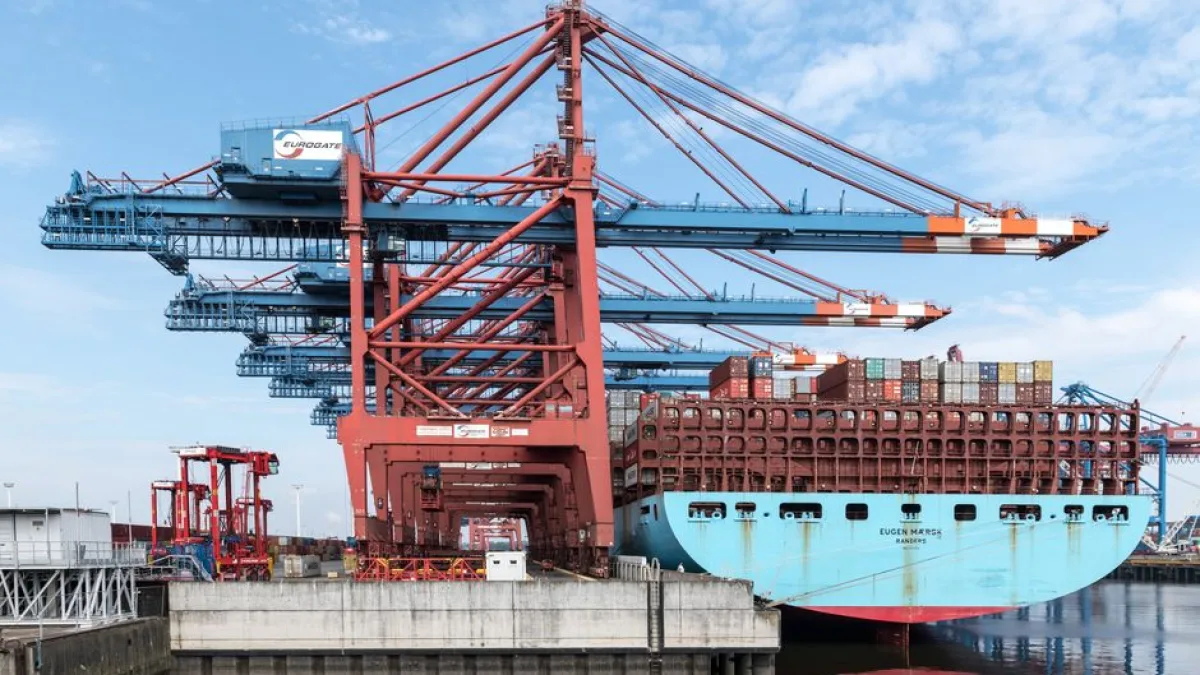
Selecting the right carriers is vital for maintaining margins and ensuring that shipments arrive on time consistently. A strategic approach to carrier management helps forwarders avoid poor performance while maintaining profitable rates for their most frequent shipping lanes.
- Performance Analytics Dashboards: Use detailed reporting tools to rank your carriers based on on time arrival rates and cost efficiency to make better future booking decisions.
- Dynamic Rate Procurement: Connect your system to digital freight marketplaces to compare carrier rates in real time and secure the best possible pricing for your clients.
- Automated Carrier Communication: Send booking requests directly through system integrations to ensure that all parties have the same instructions and avoid miscommunications during the booking process.
- Reliability Scorecard Systems: Assign a performance score to each partner based on historical data to help your team prioritize top tier carriers for sensitive or urgent.
- Centralized Contact Databases: Keep a master list of carrier account managers and emergency contacts to facilitate faster problem solving when shipments face unexpected delays or changes.
Building a robust network of reliable carriers is the backbone of any successful freight forwarding operation. By monitoring performance metrics and automating the procurement process, you can maintain healthy margins while delivering reliable service. This strategic focus on carrier management allows you to respond rapidly to capacity fluctuations and shifting market demands, ensuring that your operations remain resilient throughout the fiscal year.
Automating Financial Operations

Financial reconciliation often consumes significant time within freight forwarding operations, leading to cash flow issues if not managed properly. Automating your billing and invoicing processes ensures that your team gets paid faster while reducing the risk of billing disputes.
- Integrated Billing Workflows: Sync your operational data directly with accounting software to generate invoices automatically as soon as a shipment reaches its final delivery destination point.
- Currency Management Tools: Use built in tools that handle multiple currencies and exchange rate updates to ensure that your invoices remain accurate for international trade clients.
- Dispute Resolution Tracking: Monitor and manage all billing inquiries in a dedicated module to ensure that all discrepancies are resolved in a timely and professional manner.
- Automated Payment Reminders: Set up smart email triggers that follow up with customers on unpaid invoices to improve your overall cash flow and financial health today.
- Tax Calculation Automation: Implement rules that automatically calculate VAT or import duties based on local regulations to ensure that every invoice follows strict tax laws.
Streamlining financial operations is essential for maintaining the health of your freight forwarding business. When billing is automated, you reduce the time your staff spends on repetitive admin tasks and decrease the window between service delivery and final payment. This operational efficiency gives you the working capital needed to invest in further technological upgrades, allowing your firm to scale comfortably in competitive markets.
Conclusion
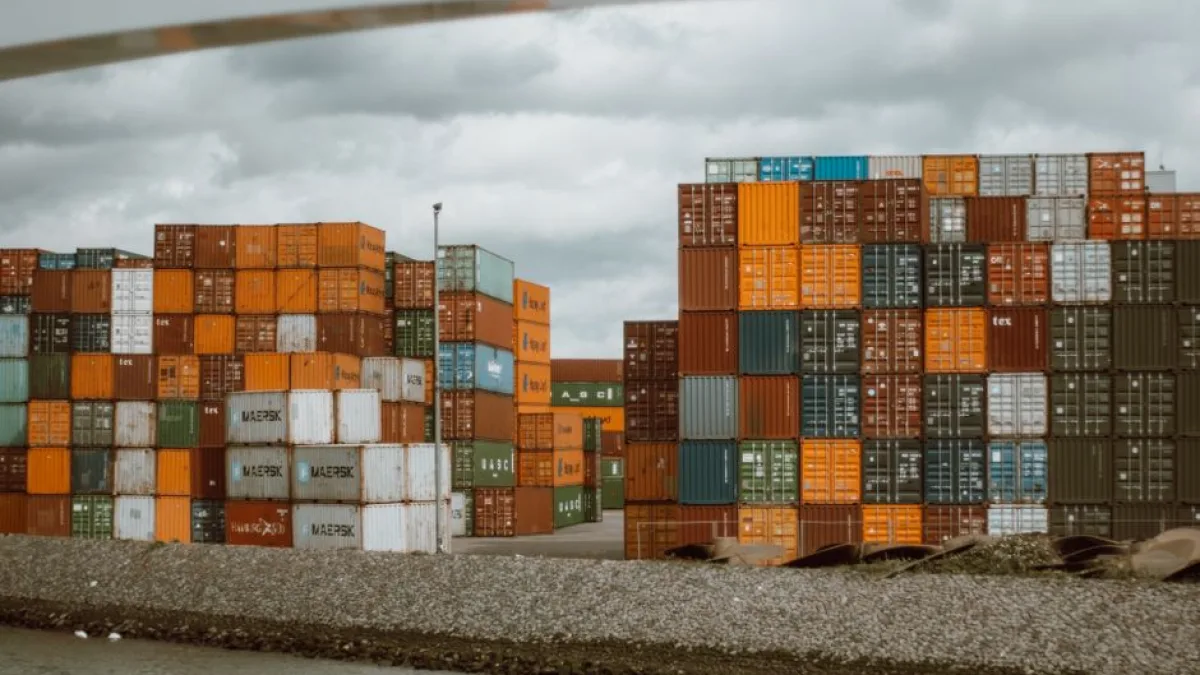
Mastering freight operations requires a combination of technology, strategy, and constant attention to detail. By automating your documentation, visibility, carrier management, and financial processes, you create a scalable foundation for your business growth. Implement these changes gradually to ensure team adoption and long term success. As the logistics industry continues to evolve, these digital improvements will keep your firm ahead of the competition.