Optimizing Freight Operations for Scalable Logistics Growth
Thursday, September 17 2026
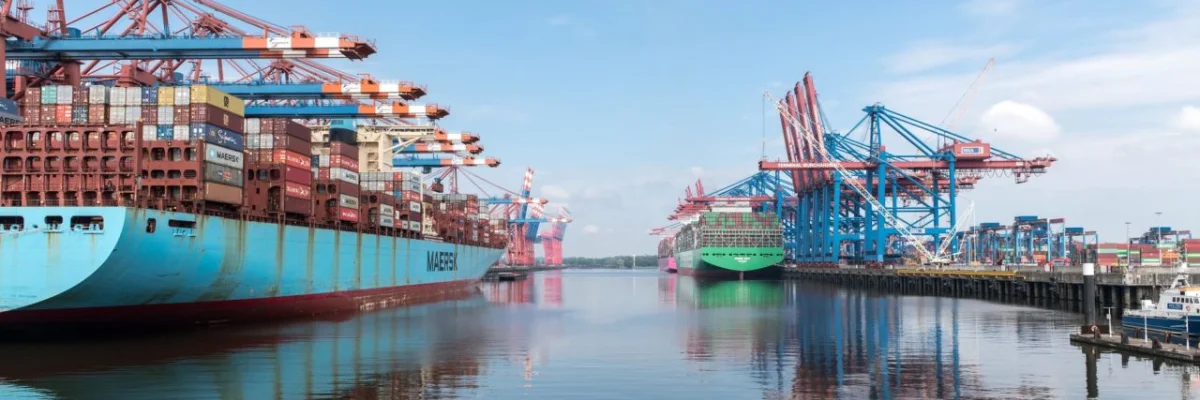
Modern freight forwarding requires a delicate balance of speed, precision, and technical agility to remain competitive in a volatile global market. As supply chains grow increasingly complex, the reliance on manual processes and disconnected systems creates bottlenecks that hinder profitability. Forwarders must now shift toward cloud-based infrastructures that prioritize data transparency and real-time communication. By adopting a digital-first approach, your team can eliminate administrative redundancies and focus on delivering high-value logistics solutions. This guide explores essential operational strategies for forwarders looking to streamline workflows, enhance shipment visibility, and build a more resilient foundation for long-term growth in the transport sector.
Automating Documentation Processes

Manual documentation remains a significant hurdle for forwarders, often leading to human error and costly delays during customs clearance. Transitioning to automated data entry tools reduces the burden on your staff and ensures compliance across all cross-border shipping lanes.
- Reduced Data Errors: Implementing automated capture software minimizes manual keyboard entry mistakes that often result in shipment rejections or fines from local customs authorities during the clearance phase.
- Faster Processing Times: Digital document management systems allow your logistics team to generate and transmit bills of lading or commercial invoices in seconds rather than wasting several hours.
- Compliance Tracking Tools: Modern platforms automatically flag missing information or regulatory changes to ensure every file meets international shipping standards before it moves through the global transit network.
- Centralized Document Storage: Secure cloud repositories provide a single point of truth where team members can access updated versions of shipping contracts or permits from any location globally.
By shifting away from legacy paper-heavy workflows, you allow your logistics professionals to dedicate more time to strategic problem-solving. This automation not only speeds up the release of cargo at busy ports but also fosters trust with clients who demand accuracy and reliability. Future-proof your operational efficiency today by integrating automated document management systems that reduce the overhead costs associated with traditional logistics administration tasks.
Enhancing Shipment Visibility
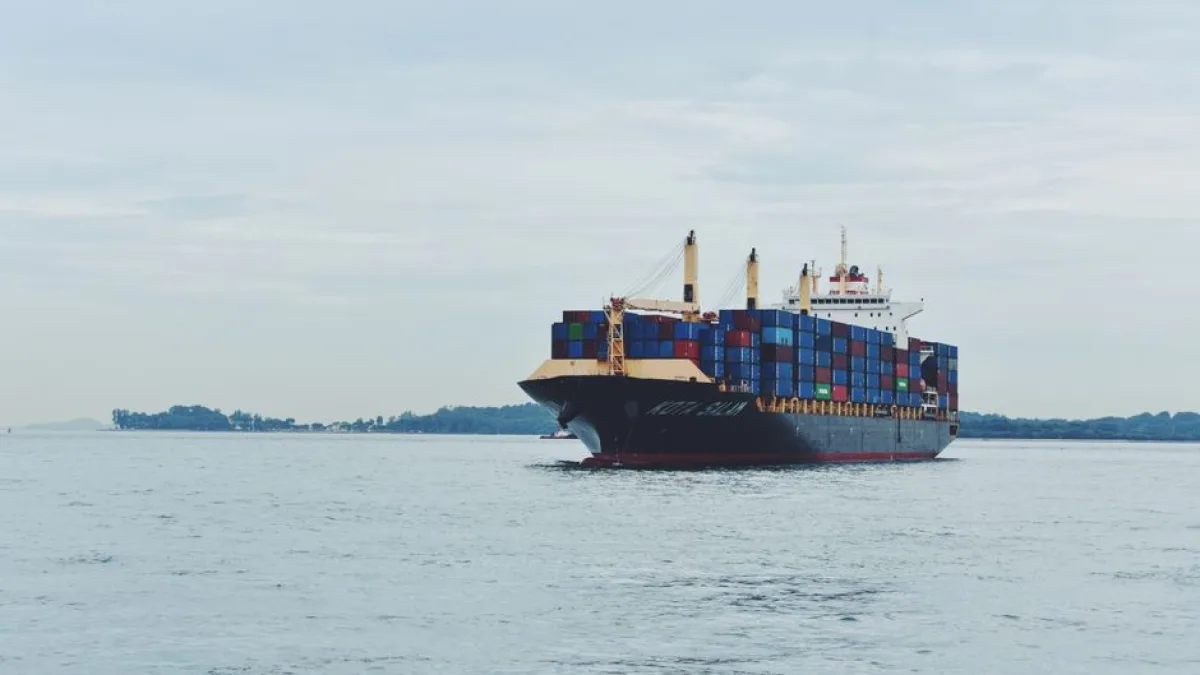
End-to-end visibility is no longer a luxury but a fundamental expectation for clients tracking their freight. Providing clear, real-time updates through a centralized portal prevents excessive inquiry emails and builds professional credibility with every successful delivery project you manage.
- Live Tracking Integration: Connecting your freight platform directly with carrier APIs enables you to provide customers with precise GPS data and status updates for every active shipment.
- Proactive Exception Alerts: Automated notification systems instantly alert your operations team to delays caused by weather or port congestion, allowing for immediate communication with the affected clients.
- Customer Self-Service Portals: Enabling clients to view their own shipment timelines on a custom dashboard reduces the workload on your customer service representatives and improves satisfaction rates.
- Collaborative Freight Updates: Shared digital interfaces allow vendors, forwarders, and consignees to interact within one environment to resolve delivery issues faster without endless phone calls or emails.
Transparency acts as the primary differentiator in the crowded freight forwarding industry today. By offering deeper insights into the transit journey, you empower your clients to make informed supply chain decisions based on current facts. This visibility reduces the overall stress of managing complex logistics networks while simultaneously positioning your firm as a sophisticated partner that uses modern technology to ensure reliability.
Improving Financial Efficiency

Managing cash flow and invoicing accuracy is vital for maintaining a healthy freight forwarding business. Automating your billing processes helps you avoid payment gaps and ensures that every freight cost is accounted for immediately upon the final delivery of goods.
- Automated Invoice Creation: Generate accurate freight invoices instantly based on real-time data from shipments to ensure billing matches the services rendered without any hidden extra charges.
- Integrated Payment Portals: Secure online payment systems allow your clients to settle invoices quickly, which significantly improves your accounts receivable cycle and overall business liquidity flow.
- Cost Management Analytics: Detailed reporting dashboards allow you to monitor profit margins per route or carrier to identify where your business is losing money on expenses.
- Currency Exchange Management: Automated tools handle multi-currency conversions and tax calculations automatically to prevent discrepancies that often occur when dealing with international clients and vendors globally.
Optimizing your financial operations allows for better reinvestment into your technology stack and service offerings. By reducing the time spent on manual reconciliations and chasing payments, your finance team gains valuable time to focus on strategic growth initiatives. Keeping your accounts in order is essential for building a robust, scalable freight forwarding enterprise that can weather economic cycles and market volatility effectively.
Building Resilient Vendor Networks
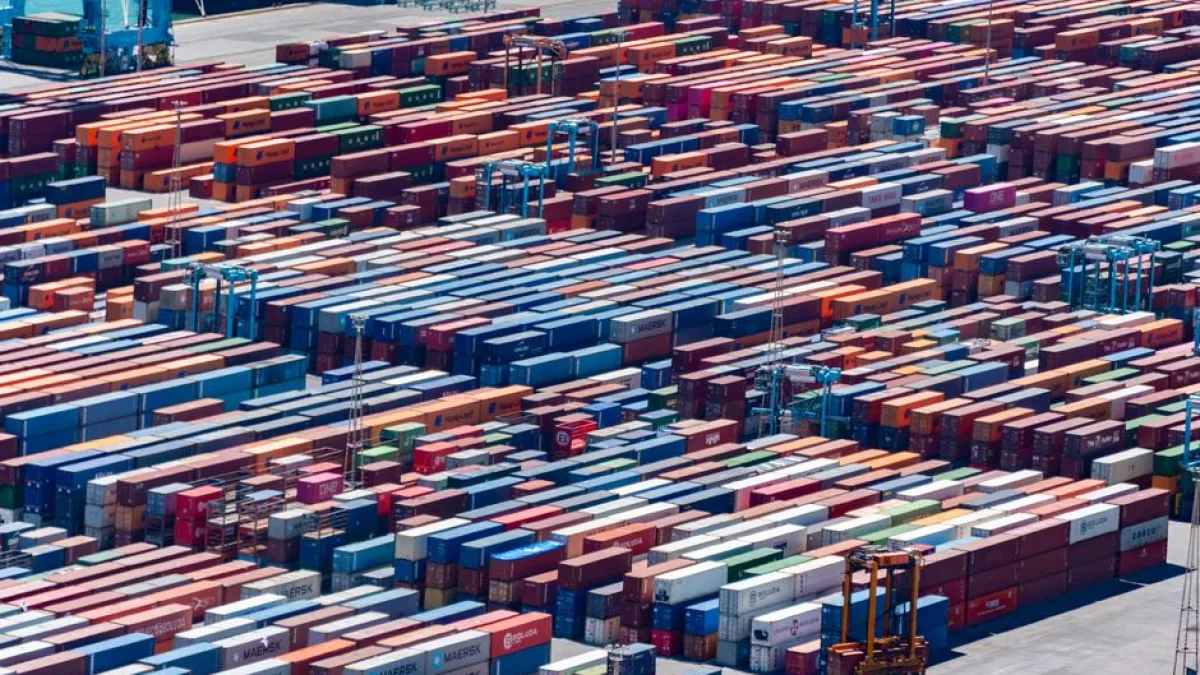
Your success as a forwarder depends heavily on the reliability of your partners and carriers. Maintaining strong digital connections with these stakeholders ensures that you always have access to capacity, even during peak shipping seasons or unexpected market disruptions.
- Carrier Performance Scoring: Systematically track and rank your carriers based on their on-time delivery percentages to ensure you are always selecting the best providers for clients.
- Digital Capacity Procurement: Use integrated marketplaces to source additional space during high-demand months, ensuring you never have to decline client business due to a lack of capacity.
- Contract Management Automation: Centralize all rate sheets and partner agreements in a digital folder to ensure you are always accessing the most current pricing for quotes.
- Collaborative Dispute Resolution: Dedicated communication channels within your software help you settle disputes regarding demurrage or detention charges quickly without damaging your professional carrier relationships over time.
A strong, connected network is the backbone of any top-tier logistics operation. When you utilize technology to foster transparency and communication with carriers, you create a more stable environment for every shipment you handle. Investing in these digital partnerships protects your firm from sudden capacity shortages and provides the leverage needed to negotiate better rates, ultimately securing your competitive edge in global logistics.
Conclusion

Streamlining freight operations requires a commitment to digital transformation and continuous process improvement. By automating documentation, enhancing shipment visibility, improving financial health, and nurturing strong carrier partnerships, forwarders can scale their businesses sustainably. Now is the time to audit your current workflows and adopt cloud-based solutions that drive efficiency. Contact our team at MakeCargo today to learn how our software simplifies your complex logistics operations.