Optimizing Freight Operations for Scalable Logistics Growth
Sunday, September 20 2026
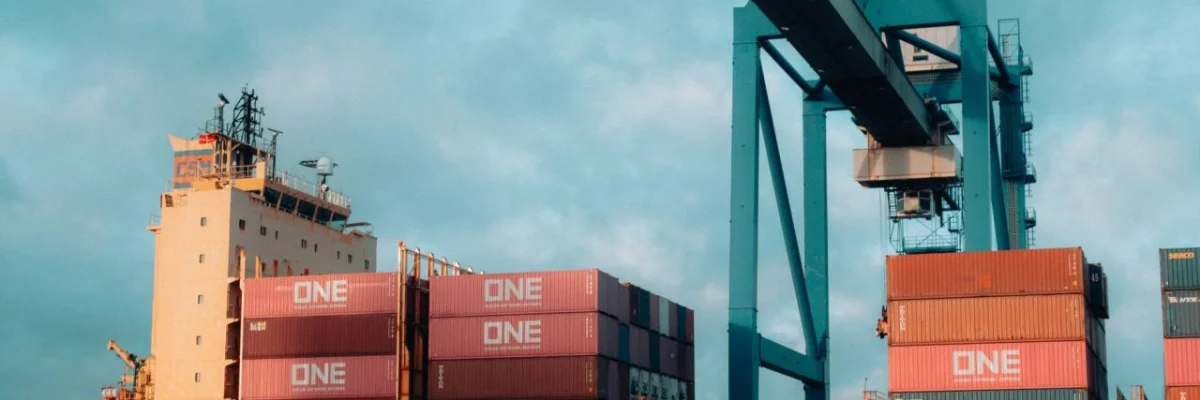
Modern freight forwarding requires a delicate balance between manual precision and technological agility. As global supply chains grow increasingly volatile, professionals must abandon fragmented workflows in favor of centralized data management. By leveraging cloud-based platforms like MakeCargo, forwarders can transform their operational landscape, ensuring that every shipment is tracked, optimized, and delivered with maximum efficiency. This shift away from spreadsheets and email chains is not merely an improvement but a fundamental necessity for those who wish to remain competitive in a saturated market. Adopting a data-first mentality allows your business to scale while maintaining the high service levels your clients demand.
Automated Documentation Workflows

Manual data entry is the primary culprit behind shipment delays and clerical errors. Digital automation tools now allow freight forwarders to capture document data instantly, reducing the human element and ensuring that compliance requirements are met without the need for endless administrative cycles.
- Seamless Data Integration: Modern platforms automatically sync information from various sources into one central hub, ensuring that your team maintains a single version of truth for every international shipment.
- Reduced Error Rates: By utilizing optical character recognition technology, your operations team can extract critical shipment details from commercial invoices and packing lists with high precision and speed.
- Compliance Tracking Tools: Automated systems flag missing documentation before vessels depart, preventing costly customs holds and ensuring that your firm remains compliant with complex international shipping trade regulations.
- Enhanced Document Retrieval: Cloud storage allows your staff to access essential shipping files from anywhere in the world, eliminating the time wasted searching through physical filing cabinets.
- Standardized Filing Processes: Implementing consistent digital templates ensures that every client receives uniform documentation regardless of which agent handled the original booking or customs clearance request.
Transitioning to automated documentation marks the end of frantic paperwork management. By streamlining these repetitive tasks, your staff can focus their energy on high-value client relations and strategic route planning. This shift improves operational output while significantly lowering the overhead costs associated with manual labor. Embracing these digital tools allows your team to handle larger volumes of cargo without needing to increase headcount.
Real Time Shipment Tracking

Transparency has become the most valuable commodity in the modern logistics sector. Clients no longer accept vague status updates, necessitating the implementation of live tracking systems that provide granular visibility into every stage of the transit process from origin to final destination.
- Live Vessel Tracking: Integration with global carrier data allows your logistics team to provide customers with accurate ETAs that update automatically as weather or port conditions change.
- Proactive Milestone Alerts: Configurable notifications ensure that your team is alerted to specific milestones, allowing you to manage customer expectations before issues escalate into serious delays.
- Client Visibility Portals: Giving your customers direct access to a branded tracking portal builds trust and reduces the volume of status inquiries flooding your support email inbox.
- Exception Management Alerts: Smart monitoring tools identify delays in real time, enabling your staff to implement contingency plans immediately to protect the cargo from long transit times.
- Performance Analytics Dashboards: Analyzing historical tracking data helps your company identify which carriers and routes consistently perform well, allowing for better selection in future freight tender cycles.
Investing in real time tracking capabilities transforms your business from a service provider into a strategic partner. When clients can see the location of their goods, they feel more secure and less likely to switch to competitors. This level of transparency fosters long term loyalty and establishes your reputation as a reliable forwarder capable of managing complex logistics challenges with total technical precision.
Effective Carrier Rate Management
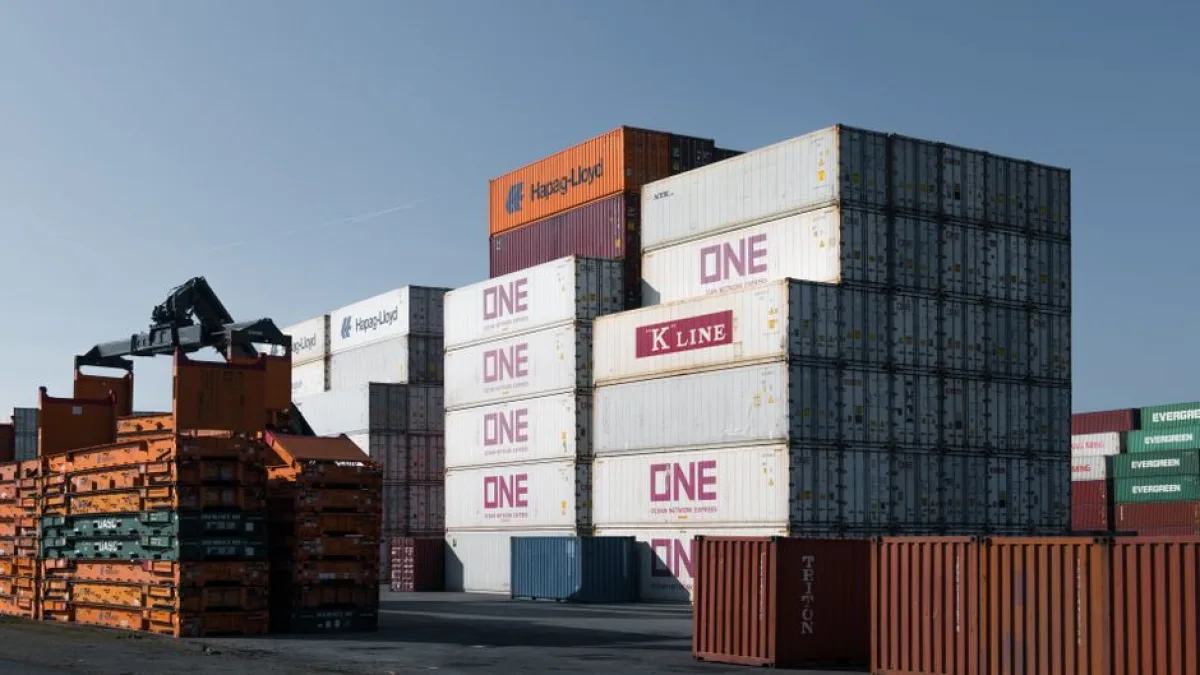
Freight rate volatility requires a robust system for managing carrier quotes and spot rates. Without a centralized database, forwarders often miss out on the best market prices, leading to compressed margins and inconsistent pricing structures that frustrate your sales team and customers.
- Centralized Rate Database: Storing all contract and spot rates in one searchable cloud platform allows your operations team to generate competitive quotes for clients within mere minutes.
- Automated Quote Comparisons: Sophisticated software enables instant comparison between different shipping lines, ensuring that your team selects the most cost effective option for every specific route.
- Dynamic Surcharge Updates: Automatically track fuel adjustments and general rate increases to ensure that your customer quotes always reflect current market conditions and actual landing costs.
- Optimized Procurement Cycles: Analyzing past shipping volume data helps your team negotiate better annual contracts with primary carriers, creating a stronger financial position for your forwarding business.
- Streamlined Approval Workflows: Digital workflows ensure that management can quickly approve rate adjustments or volume commitments, speeding up the sales process and keeping your freight operations moving.
Maintaining a competitive edge depends on your ability to secure the best rates while protecting your profit margins. A centralized rate management system removes the guesswork and enables data driven decisions that directly impact your bottom line. By optimizing how you source and price freight, you establish a resilient financial framework that can weather market fluctuations and support sustainable business growth.
Streamlined Operational Communication

Communication breakdowns between internal teams and external partners remain a major bottleneck in freight forwarding. Integrating a unified messaging system within your logistics software ensures that all context is preserved and accessible to the relevant stakeholders throughout the entire shipping lifecycle.
- Integrated Messaging Channels: Attaching internal notes directly to specific shipments keeps conversations organized and accessible, preventing important details from getting buried in busy general email chains.
- Stakeholder Collaboration Tools: Providing customs brokers and transport providers with secure access to necessary shipment files ensures that everyone works from the same set of instructions.
- Automated Internal Notifications: Set up triggers to notify relevant departments when key events occur, such as a customs clearance status change or a sudden vessel departure delay.
- Unified Contact Database: Centralizing all carrier, agent, and client contact information prevents time loss spent searching for the correct person to reach during a shipping crisis.
- Activity Audit Trails: Detailed logs track who made changes to a shipment file and when, ensuring accountability and clarity for complex international freight forwarding project operations.
Effective communication is the glue that holds a global logistics operation together. By centralizing your interactions, you minimize the risk of human error and ensure that every team member remains aligned. Investing in these collaborative tools significantly shortens the time required to resolve issues and enhances your overall customer service quality. A well informed team is a highly productive and efficient team.
Conclusion
Improving your freight operations requires a deliberate commitment to modern technology and process optimization. By adopting cloud based solutions, you can automate documentation, enhance shipment tracking, manage rates efficiently, and foster seamless internal collaboration. These steps provide the foundation necessary to grow your freight forwarding business in an increasingly complex digital world. Start your journey today to ensure long term success and operational excellence.