Optimizing Freight Operations for Scalable Logistics Growth
Wednesday, September 30 2026
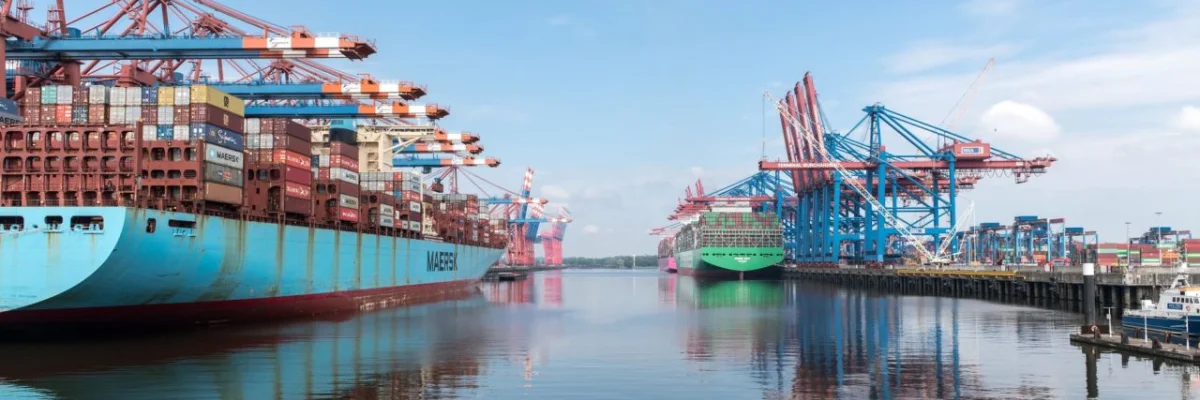
Modern freight forwarding requires a delicate balance between managing complex global supply chains and maintaining exceptional customer service standards. As market volatility increases, logistics professionals must transition from manual, spreadsheet-based processes to intelligent digital platforms. By leveraging cloud technology, companies can eliminate communication silos, reduce human error, and gain real-time visibility into every shipment. This evolution is no longer just a competitive advantage but a necessity for survival in a globalized economy. Effective operations rely on data-driven decision making, seamless partner integrations, and a proactive approach to potential bottlenecks that often plague the traditional shipping lifecycle today.
Digitizing Operational Documentation

Transitioning from paper-based workflows to digital documentation transforms how freight forwarders handle customs filings and commercial invoices. By centralizing all critical paperwork in a secure cloud environment, teams can access data instantly, ensuring compliance and significantly accelerating document processing times.
- Centralized document management: Storing all shipping documents in one cloud location prevents data loss and ensures that team members always have access to the latest versions for accurate processing.
- Automated data entry: Utilizing advanced software to auto-populate fields reduces the likelihood of manual typing errors and saves countless hours of repetitive work for your documentation team members.
- Real-time compliance checks: Integrated systems flag potential errors or missing information in customs documentation before filing, helping you avoid costly delays and penalties during international border crossing procedures.
- Secure document sharing: Sharing sensitive files with clients and carriers through secure portals enhances professional credibility and protects your data from being intercepted through insecure email attachments.
Digital transformation reduces the administrative burden on your staff while simultaneously improving the accuracy of your files. When documentation flows seamlessly between partners, shipments move faster through ports and checkpoints. This operational shift allows your team to focus on high-value tasks such as exception management and client relationship building instead of chasing down missing signatures or correcting simple data entry mistakes on standard forms.
Enhancing Real-Time Shipment Tracking
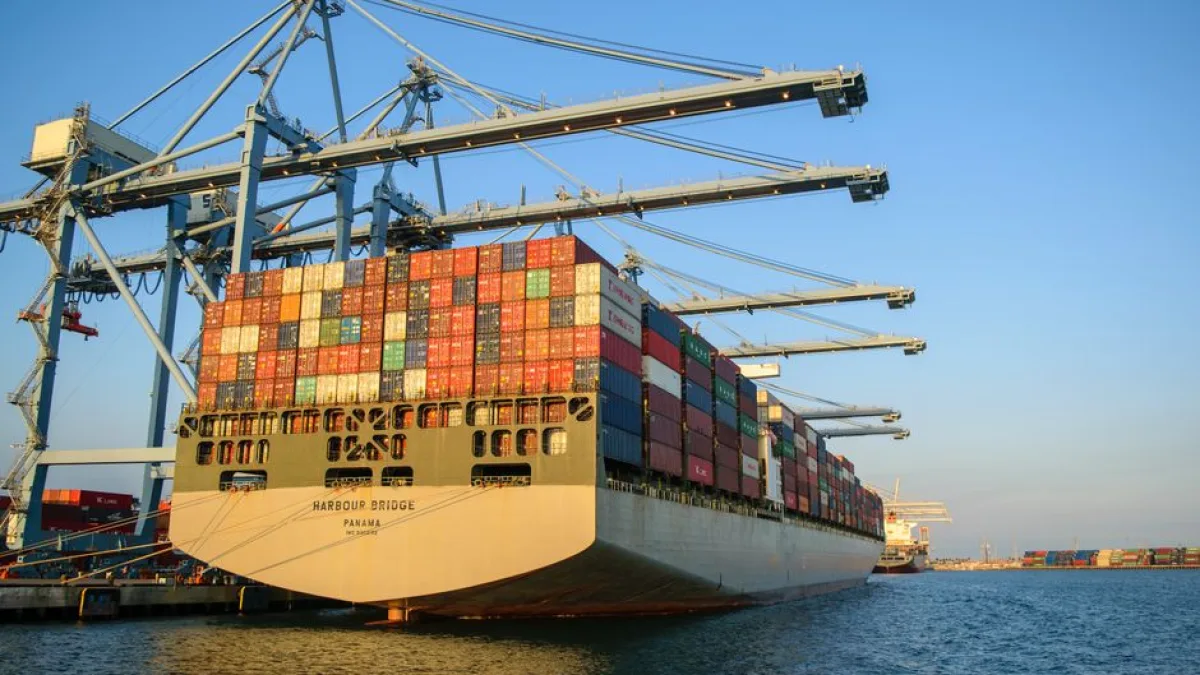
Visibility is the backbone of modern freight forwarding, as clients demand instant status updates regarding their cargo. Providing proactive tracking information differentiates your services, reduces incoming status inquiries, and builds long-term trust through total operational transparency and reliable reporting.
- Live cargo monitoring: Connecting your platform to global carrier APIs allows you to pull real-time location data, giving your customers the exact coordinates of their goods at all times.
- Automated status alerts: Configure your software to send proactive notifications to stakeholders whenever a milestone is reached, effectively minimizing the need for manual status updates from staff.
- Proactive exception management: Advanced tracking systems alert your operations team to potential delays immediately, allowing them to communicate proactively with customers before a shipment becomes a critical issue.
- Historical performance data: Analyzing past tracking data helps identify consistent delays with specific routes or carriers, enabling you to optimize your network for better future transit performance.
Providing accurate tracking information shifts the focus from reactive firefighting to proactive customer service. When clients feel informed about their cargo location, their satisfaction increases significantly, leading to higher retention rates. Investing in high-quality tracking tools is a direct investment in your reputation, ensuring that your firm remains the preferred choice for shippers who prioritize clarity and consistency in their logistics chain.
Streamlining Carrier Communications
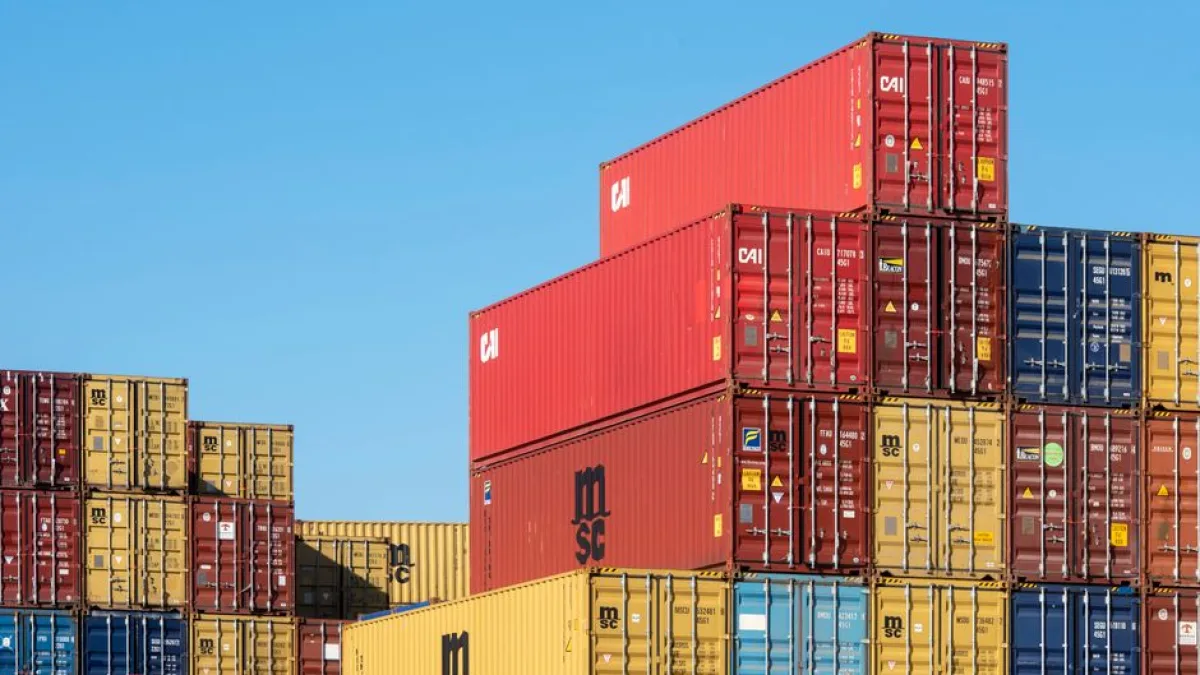
Effective collaboration with international carriers remains a primary challenge for forwarders seeking to improve margin performance. By adopting a unified communication platform, forwarders can synchronize their needs with available capacity, resulting in smoother bookings and more competitive pricing for their valued customers.
- Integrated booking requests: Sending digital booking requests directly to carrier systems eliminates the back and forth of multiple emails and ensures that all specifications are captured correctly initially.
- Unified rate management: Maintaining a structured database of carrier rates allows your team to quote customers instantly, ensuring accuracy and protecting your margins on every single booking.
- Standardized messaging formats: Using platform-based messaging ensures that all carrier communication is logged and accessible, preventing information silos that often arise when using personal email accounts.
- Performance evaluation tools: Rating carriers based on their responsiveness and reliability helps you choose the right partners for specific lanes, ultimately driving better service quality for your end clients.
Strong carrier relationships are built on clear, efficient communication that respects the time of both parties. By streamlining how you request space and confirm rates, you create a professional environment that encourages better cooperation. This efficiency allows your operations team to manage more shipments with the same resources, directly contributing to the scalability and profitability of your freight forwarding enterprise over time.
Leveraging Advanced Data Analytics

Data is the most valuable asset in the modern freight industry, offering deep insights into operational costs and overall business performance. By analyzing key metrics through a specialized software dashboard, forwarders can identify hidden inefficiencies, refine their pricing strategies, and make smarter decisions that improve their bottom-line results.
- Detailed cost analysis: Breaking down expenses by route, carrier, or commodity allows you to identify which areas of your business are truly profitable and which require closer attention.
- Customized performance reporting: Generating tailored reports for your clients demonstrates the value you provide, strengthening your partnership and providing them with actionable insights for their own operations.
- Volume forecasting capabilities: Using historical shipment data to predict future demand allows you to negotiate better rates with carriers and ensure you have capacity when needed.
- Profit margin tracking: Real-time visibility into the margins of every shipment ensures that you remain profitable even during periods of extreme market fluctuation and high freight volatility.
Analytics allow you to look beyond daily operational tasks and focus on the long-term health of your company. By identifying trends in your shipping volume and profit margins, you can pivot your business strategy to capture emerging market opportunities. Transforming raw data into a strategic asset ensures your freight forwarding business remains agile, competitive, and ready for future growth in an evolving global market.
Conclusion

Optimizing freight operations is a continuous process that requires the right blend of technology and strategic thinking. By digitizing documentation, improving visibility, streamlining communications, and using data analytics, you build a foundation for success. Embrace these digital tools today to scale your freight forwarding business efficiently and provide superior value to every client. Start your journey toward optimized logistics operations with MakeCargo now.