Optimizing Freight Operations for Modern Forwarders
Thursday, July 23 2026

Freight forwarding is currently navigating a period of unprecedented digital transition where manual processes often become significant bottlenecks to global trade. As supply chains grow more complex, forwarders must pivot toward integrated cloud-based platforms to maintain a competitive edge. By automating routine administrative tasks and centralizing communication, professionals can focus on value-added services like strategic routing and client relationship management. Transitioning away from legacy spreadsheets and fragmented email chains is no longer just an optional efficiency improvement, but a vital necessity for growth and survival in an increasingly fast-paced global logistics market that demands transparency and real-time data accuracy.
Embracing Cloud Automation

Moving operations to the cloud offers a transformative approach to handling high volumes of documentation and shipment data while ensuring that your team remains aligned across various time zones and regional offices through a unified, accessible digital workspace.
- Centralized Data Management: Consolidating all client and shipment information into a single cloud-based repository eliminates document silos and ensures that every team member accesses the most current files.
- Automated Documentation Workflows: Utilizing intelligent software to auto-populate shipping documents reduces manual entry errors and significantly accelerates the preparation of bills of lading and customs clearance forms.
- Real-time Team Collaboration: Integrated platforms allow multiple departments to view and edit shipment statuses simultaneously, fostering better communication and preventing the typical delays caused by email fragmentation.
- Enhanced Data Security: Cloud providers offer robust encryption and regular automated backups, protecting sensitive shipment data from physical loss or cyber threats far better than local servers.
Adopting these cloud tools empowers your team to shift their focus from tedious data entry to high-level decision making. By automating the mundane aspects of daily operations, your forwarders reduce the likelihood of costly errors while simultaneously improving the speed of client communication. This modernization effort establishes a scalable foundation that allows your business to handle larger shipment volumes without increasing headcount.
Mastering Shipment Tracking
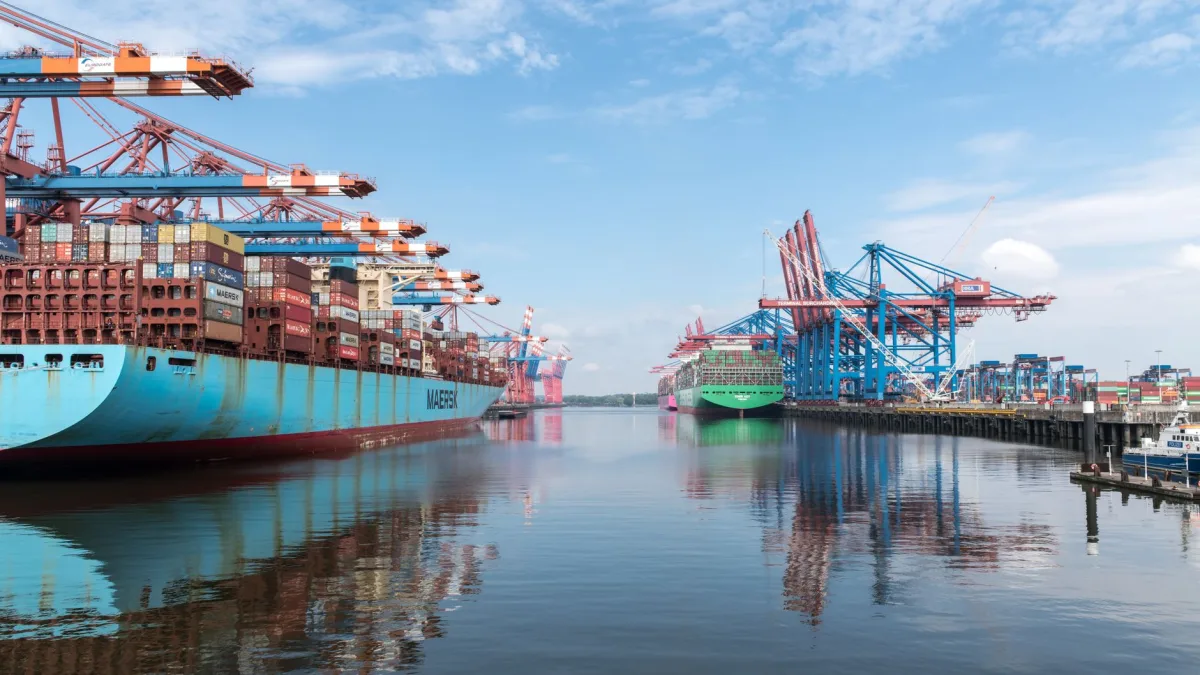
Transparency has become the primary demand from shippers today, requiring forwarders to provide precise, real-time updates regarding the exact physical location of cargo as it moves through various intermodal transit points across international borders and major ports.
- Live Tracking Integration: Connecting your software directly with shipping line APIs ensures that tracking information is automatically updated without requiring manual inquiries from your operations staff members.
- Automated Client Notifications: Configure proactive alerts to inform customers of status changes, such as vessel arrival or port clearance, which significantly lowers the volume of inbound queries.
- Exception Management Tools: Advanced logistics software highlights potential transit delays immediately, allowing forwarders to communicate transparently with clients and provide alternative routing options before problems escalate further.
- Intermodal Visibility Hubs: Gain a comprehensive overview of shipments across ocean, air, and ground transport to ensure that every leg of the journey remains within the estimated schedule.
Providing your clients with a self-service portal for tracking shipment progress builds immense trust and brand loyalty. When customers can view their cargo status at any time without calling your office, they feel more confident in your services. This level of transparency distinguishes your firm from traditional competitors, proving that you prioritize client satisfaction through superior digital accessibility and reliable service.
Streamlining Financial Workflows

Financial management within freight forwarding is often bogged down by complex billing cycles and the arduous task of reconciling invoices from multiple carriers, agents, and sub-contractors, which can severely hinder your company cash flow and overall profitability.
- Integrated Billing Systems: Automatically generate professional invoices based on pre-defined rate cards to ensure billing accuracy and reduce the time spent on manual calculation and auditing.
- Automated Cost Reconciliation: Match supplier invoices against purchase orders within your platform to quickly identify discrepancies and prevent overpayments to external carriers and secondary service providers.
- Faster Payment Processing: Digital payment solutions allow for faster settlement of charges, which improves your operational cash flow and strengthens relationships with reliable international transport partners.
- Comprehensive Financial Reporting: Generate real-time reports on profit margins per shipment, enabling you to identify which trade lanes or client types contribute most to the bottom line.
Optimizing your financial workflows directly impacts your bottom line by reducing administrative overhead and preventing revenue leakage. When billing is accurate and reconciliation is fast, your team spends less time fixing errors and more time driving business growth. These financial efficiencies allow you to operate with higher margins, providing the necessary capital to reinvest in new technologies or expand into emerging markets.
Optimizing Trade Compliance

Navigating the complex maze of international trade regulations requires extreme attention to detail, as any minor mistake in documentation can lead to severe delays, heavy fines, or the total seizure of cargo at customs borders.
- Updated Regulatory Databases: Utilize software that keeps your team informed about changing import and export laws, ensuring that all shipments meet current international trade compliance standards.
- Built-in Compliance Checks: Automated software flags potential missing information or prohibited items before documentation is submitted, preventing common regulatory hurdles that cause costly cargo holds at ports.
- Secure Digital Archiving: Maintain a well-organized, searchable record of all past compliance documentation, which simplifies the process of responding to government audits or internal trade reviews.
- Standardized Filing Procedures: Enforce uniform compliance workflows across your organization to ensure that every shipment follows the exact same verification process, minimizing human error during busy periods.
Staying compliant is not just about avoiding penalties, but about establishing a reputation for reliability and professionalism in the industry. By utilizing digital tools to manage your compliance tasks, you protect your clients from unnecessary risk and preserve your company operational integrity. This proactive approach to trade regulations ensures that shipments move smoothly through global borders, regardless of how complex the laws become.
Conclusion
Integrating modern software solutions is essential for any freight forwarder looking to thrive in the current digital landscape. By embracing automation across your operations, you can reduce errors, improve client transparency, and increase overall profitability. Start optimizing your workflows today to gain a significant competitive advantage. For more insights on scaling your freight business, explore the tools available on the MakeCargo platform.