Optimizing Freight Operations for Modern Forwarders
Friday, August 7 2026

Freight forwarding is currently navigating a period of unprecedented digital transition where manual processes often create bottlenecks. As global supply chains grow more complex, the need for agile operations becomes paramount for maintaining competitive margins. Professionals must now look toward cloud-based solutions that offer visibility and automation to manage the surge in logistical demand effectively. By embracing centralized software platforms, forwarders can reduce human error and improve client communication significantly. This evolution is not merely a technological upgrade but a fundamental necessity for any logistics enterprise aiming to scale while maintaining high operational standards in a saturated global market.
Streamlining Documentation Workflows

Digital documentation management is the backbone of efficient freight forwarding operations today. By digitizing paperwork, companies can ensure that customs filings and bills of lading are processed without delays or physical transit hurdles that slow down international shipping movements.
- Centralized document repository: Cloud systems consolidate every file into a single source of truth that allows team members to access vital shipping records from any location without unnecessary email threads.
- Automated data entry: Intelligent software extracts critical information from incoming invoices and packing lists to eliminate repetitive manual typing tasks that often lead to costly human data errors.
- Version control standards: Maintaining strict revision history for every document ensures that stakeholders always view the latest updates regarding customs compliance or dangerous goods certifications without any confusion.
- Secure cloud storage: Encrypted digital vaults provide essential protection against data loss or unauthorized access while meeting the stringent privacy requirements demanded by global logistics partners and regulators.
- Instant search capabilities: Advanced indexing features allow staff to retrieve specific historical records or shipping labels in seconds by using keywords instead of spending hours searching physical cabinets.
Adopting a robust digital workflow transforms how forwarding firms handle heavy administrative burdens. By removing the dependency on paper-based systems, teams can focus their energy on high-value tasks like client management and strategic route planning. This shift fosters a culture of accuracy and accountability, directly improving the bottom line while reducing the overhead costs associated with traditional manual office processes every single day.
Enhancing Real-time Shipment Visibility
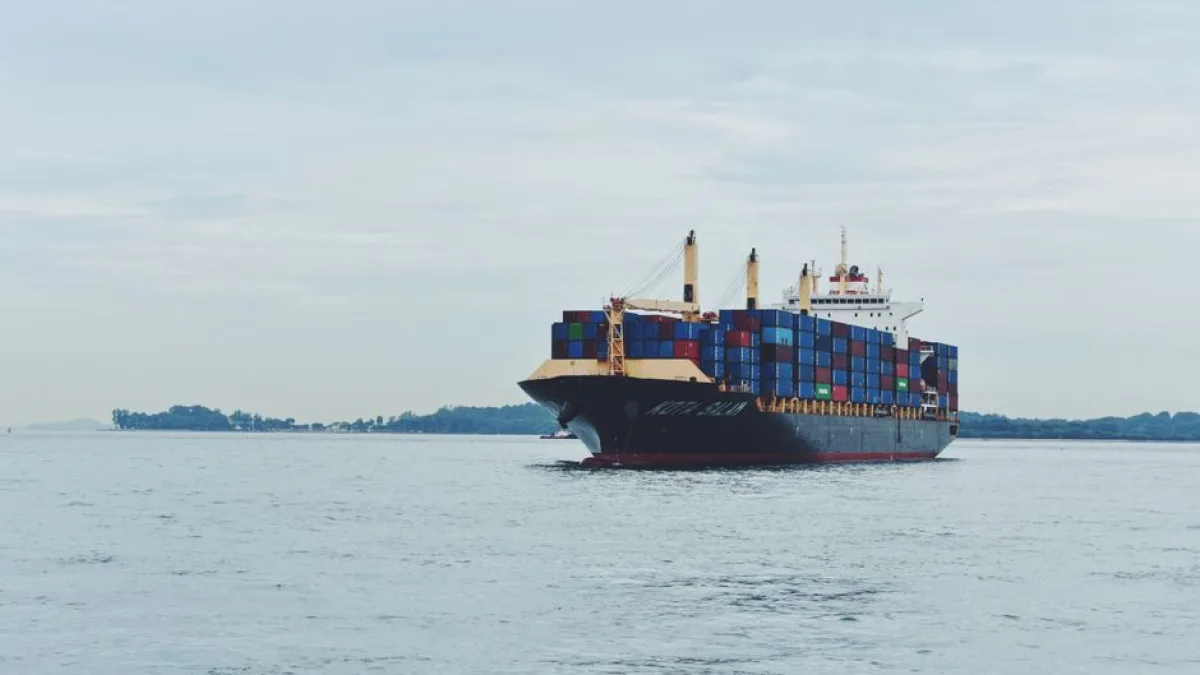
Visibility is no longer just a luxury feature but a core requirement for modern freight customers. Clients expect constant updates on their cargo status, and providing this level of transparency is essential for building long-term trust and market authority.
- Live tracking updates: Integrating API feeds from carriers enables forwarders to provide precise location data for active shipments across ocean, air, and land transport modes in real time.
- Proactive delay alerts: Automated notification systems warn operators immediately when a vessel encounters weather delays or port congestion so they can inform clients before problems escalate further.
- Milestone status tracking: Breaking shipments down into granular milestones helps teams identify exactly where a container is held up in the supply chain during the transit process.
- Integrated carrier portals: Connecting directly with major carrier systems ensures that forwarders receive consistent updates without needing to switch between dozens of different websites or platforms.
- Customized client dashboards: Providing customers with private access portals allows them to check shipment progress independently, which reduces the volume of repetitive inquiry calls reaching your team.
Superior visibility acts as a powerful differentiator for forwarding companies in a crowded market space. When customers receive timely updates without asking, their overall satisfaction levels increase dramatically. Leveraging cloud-based tracking tools not only keeps operations running smoothly but also strengthens client retention by proving your commitment to transparency and reliability throughout every single stage of the complex global shipping journey.
Managing Carrier Relationships Efficiently

Building strong partnerships with carriers requires data-driven insights and clear communication. Forwarders who use software to monitor carrier performance can negotiate better rates and ensure service quality remains consistent during peak shipping seasons or unexpected global disruptions.
- Performance analytics reports: Tracking carrier reliability metrics allows managers to identify which shipping lines offer the best punctuality and service for specific high-priority trade routes and lanes.
- Automated rate management: Centralizing quote requests from multiple carriers helps forwarding agents compare pricing options instantly to find the most cost-effective solutions for their specific customers.
- Digital contract compliance: Storing all carrier agreements in a searchable database ensures that operations staff apply the correct rates and terms to every booking made consistently.
- Streamlined booking requests: Direct digital booking modules reduce the back and forth communication with shipping lines by creating standardized requests that carriers can process much faster.
- Dispute resolution tools: Keeping an organized history of communication and invoices simplifies the process of resolving billing discrepancies or service failures with your carrier network providers.
Effectively managing these carrier relationships creates a stable foundation for any logistics operation. When you have access to clear performance data, you move from reactive problem solving to proactive strategic planning. This maturity in operations allows your firm to navigate volatile market conditions with confidence, ensuring that your clients receive the best possible service at competitive prices regardless of the current shipping climate.
Scaling Through Operational Automation

Automation is the final piece of the puzzle for forwarders looking to scale operations without increasing headcount proportionally. By automating routine processes, you can redirect your skilled workforce toward high-level problem solving and business development efforts that truly drive company growth.
- Automated task assignment: Intelligent workflow engines automatically route new bookings to the appropriate team members based on their expertise or current capacity levels to maximize daily productivity.
- Template-based invoicing tools: Generating professional invoices directly from system data eliminates manual billing errors and accelerates the time it takes to get paid by your customers.
- Custom notification workflows: Setting up triggers for specific events ensures that clients or internal departments receive updates exactly when they need them without manual intervention.
- Integrated financial reporting: Real-time dashboards provide deep insights into profitability per shipment, lane, or customer to help executives make informed decisions about future business expansion efforts.
- Consistent process enforcement: Standardized digital workflows ensure that every staff member follows the exact same procedures, which significantly reduces variability and increases overall operational quality levels.
Automation empowers freight forwarders to do more with less while maintaining impeccable service standards. As you refine your digital workflows, your business becomes more resilient to staff turnover and sudden spikes in volume. Embracing these automated systems is the definitive path forward for any company wanting to achieve sustainable growth and remain relevant in an increasingly automated and interconnected global supply chain environment.
Conclusion

Success in modern freight forwarding depends on the intelligent application of technology across all operational levels. By digitizing documents, improving visibility, managing carrier partners, and embracing automation, forwarders can unlock significant value. As the industry continues to evolve, these digital-first strategies will define the market leaders. Now is the time to evaluate your current processes and implement the tools required for future growth.