Optimizing Freight Operations for Modern Forwarders
Tuesday, August 11 2026

The global logistics landscape evolves at a rapid pace, demanding that freight forwarders embrace digital transformation to remain competitive. Traditional manual workflows are no longer sufficient to handle the complexities of international trade, rising customer expectations, and the need for real-time visibility. By leveraging cloud-based platforms like MakeCargo, logistics professionals can centralize their operations, minimize human error, and accelerate documentation processing. This guide explores essential best practices that empower forwarding teams to streamline their daily tasks, enhance collaborative efforts across the supply chain, and ultimately scale their businesses effectively while maintaining the highest service quality for their clients.
Mastering Digital Documentation

Digitizing your paperwork is the most significant step toward achieving operational excellence. By moving away from physical filing systems, teams can reduce the time spent searching for files and ensure that crucial shipping documents are always accessible for rapid customs clearance.
- Automated Data Entry: Implement smart systems that pull data directly from emails or spreadsheets to eliminate manual typing, reducing common human errors and saving your team valuable time.
- Cloud Storage Security: Utilize secure, cloud-based repositories that protect your sensitive shipping documents while allowing global teams to access real-time information from any location at any time.
- Integrated Document Flow: Connect your documentation process with your logistics software to ensure that every invoice and bill of lading automatically populates throughout your entire workflow cycle.
- Standardized Filing Systems: Establish clear naming conventions and folder structures across your organization to ensure that every employee can locate necessary files within seconds rather than minutes.
Adopting a paperless strategy does more than save trees; it transforms how your business handles information. When your team stops manually processing stacks of documents, they can focus on higher value tasks like customer relationship management or strategic network growth. Digital documentation creates a single source of truth that prevents information silos and ensures that everyone operates from the most current project data available.
Improving Real-time Shipment Visibility
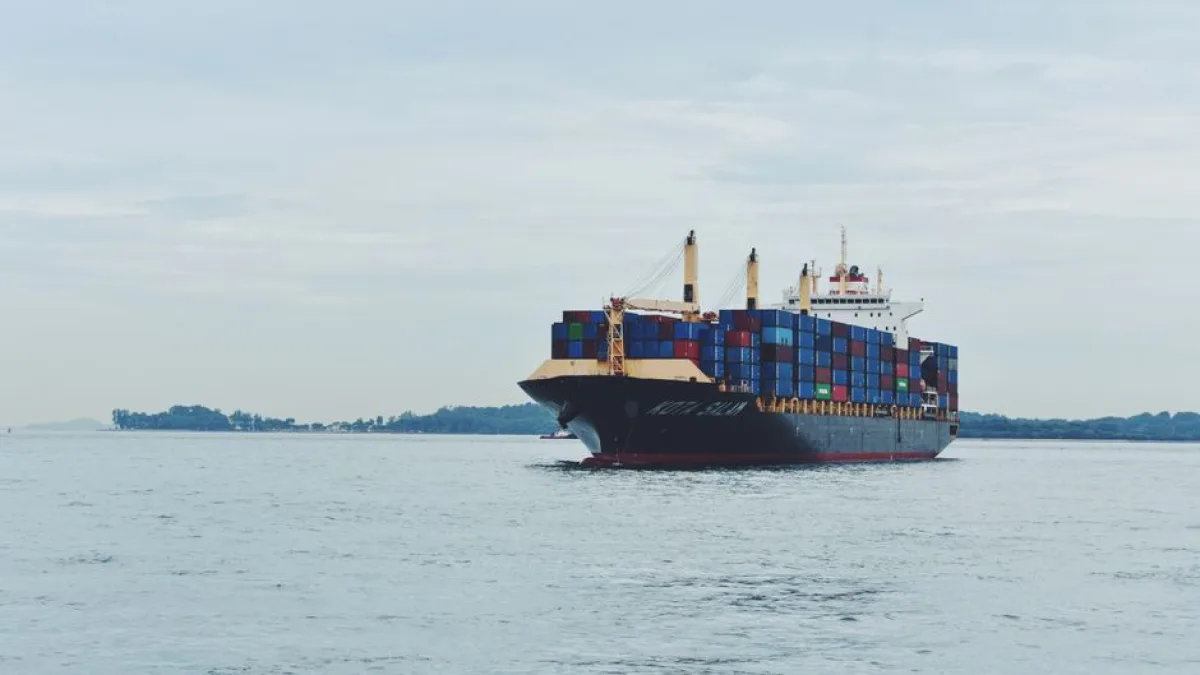
Transparency serves as the foundation of modern client trust. Providing real-time updates regarding cargo location allows you to manage expectations effectively and resolve potential delays before they escalate into major problems that could impact your reputation with key customers.
- Automated Tracking Notifications: Send proactive status updates to your clients automatically when cargo reaches milestones, reducing the volume of inbound inquiries and enhancing the overall customer experience.
- Carrier Integration Tools: Link your forwarding software directly with shipping carriers to receive live updates, ensuring your dashboard displays the most accurate tracking data for every container.
- Predictive Delay Alerts: Monitor global logistics trends and weather patterns to identify potential disruptions early, allowing your team to inform clients and arrange alternative transportation methods quickly.
- Customer Portals Access: Provide clients with a secure portal login so they can track their own shipments, fostering transparency and reducing the workload on your customer support staff.
Effective communication during transit builds long-term loyalty that survives occasional industry disruptions. When you proactively notify a client about a weather-related delay, you demonstrate professional competence rather than reactive panic. Modern tracking tools act as your digital eyes around the world, enabling you to manage expectations with precision and maintain a high standard of reliability throughout the entire lifecycle of shipping.
Streamlining Internal Communication

Clear communication between internal departments prevents operational bottlenecks and keeps everyone aligned on project goals. By using centralized messaging tools instead of fragmented email chains, your staff stays updated on specific shipment details without losing context in overflowing mailboxes.
- Centralized Task Management: Assign specific shipping tasks to team members within a unified platform to ensure accountability and clear ownership over every aspect of the freight cycle.
- Contextual Message Logging: Link specific conversations directly to individual shipment files so that any team member can quickly understand the history of a client request or conflict.
- Departmental Notification Settings: Configure alerts so that specific teams only receive relevant information, preventing alert fatigue and ensuring that important project updates are never missed by staff.
- Collaborative Workflow Planning: Facilitate easy handoffs between sales, operations, and accounting departments by utilizing shared workspaces that document every stage of the shipment process for total clarity.
Effective internal alignment directly influences the speed and accuracy of your external deliverables. When sales and operations departments share the same data, the transition from quotation to execution becomes seamless. This synergy eliminates repetitive questions and allows for faster resolution of issues as they arise. By prioritizing clear internal communication channels, you empower your staff to function as a cohesive, high-performing logistics machine.
Enhancing Financial Control Accuracy

Financial health determines the sustainability of any freight forwarding operation. Precise invoicing and expense management ensure healthy cash flow, while automated financial reporting provides the insights necessary to make informed business decisions regarding your pricing strategies and resource allocations.
- Automated Invoice Generation: Create and send professional invoices immediately upon service completion to improve cash flow and reduce the duration of your standard accounts receivable collection cycles.
- Integrated Expense Tracking: Record all vendor costs within the software to ensure that profit margins are calculated accurately for every individual shipment or service contract processed.
- Multi-currency Support Tools: Manage international payments with ease by utilizing software that handles exchange rate fluctuations, ensuring that your financial records remain accurate despite global currency variances.
- Real-time Financial Reporting: Monitor your key performance indicators through an intuitive dashboard that displays current profit and loss metrics, aiding your strategic planning for future quarterly cycles.
Financial management is often the most neglected aspect of logistics, yet it is vital for long-term growth. When your software automatically tracks every cost, you gain a clear view of your actual margins and avoid hidden losses. Precise financial control allows you to negotiate better rates with carriers and provide competitive, transparent pricing to your clients, which ultimately drives increased business revenue.
Conclusion
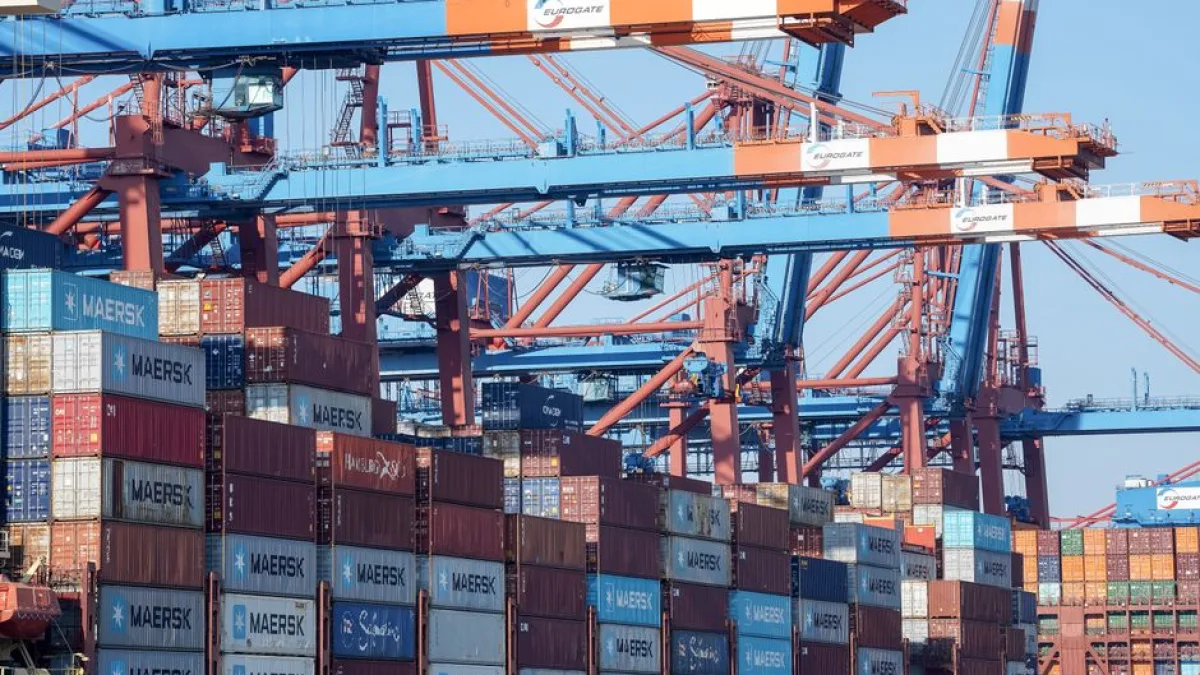
Optimizing your freight forwarding business requires a dedication to both modern technology and streamlined processes. By focusing on documentation, visibility, communication, and financial control, you position your organization for sustainable growth in a competitive marketplace. Utilize the features offered by platforms like MakeCargo to refine your operations today. Embracing these best practices will lead to improved efficiency, happier clients, and a more resilient, profitable logistics future.