Optimizing Freight Operations for Modern Forwarders
Thursday, September 10 2026

Modern freight forwarding requires a delicate balance of speed, accuracy, and operational agility to stay competitive in a globalized market. As supply chain complexities grow, professionals must move beyond manual spreadsheets to embrace digital transformation. By integrating cloud-based platforms, forwarders can gain real-time visibility into cargo movements, reduce administrative overhead, and enhance communication across disparate teams. Efficient operations are no longer just a luxury but a fundamental necessity for companies aiming to scale their services while minimizing costs and errors. Embracing these advanced technological tools ensures that your business remains resilient against market fluctuations and changing client expectations.
Streamlining Documentation Workflows

Effective documentation management serves as the backbone of successful freight operations. By centralizing digital records, teams can eliminate redundant data entry and ensure that customs declarations, bills of lading, and commercial invoices are processed with maximum precision and speed.
- Automated Data Entry: Implement smart scanning tools to extract key information from shipping documents, which significantly reduces the potential for manual human errors during the initial booking process.
- Centralized Record Keeping: Maintain a secure cloud repository where all historical documents are indexed and searchable, allowing your team to retrieve critical paperwork in seconds during audits.
- Compliance Tracking Systems: Utilize automated alerts to monitor expiration dates for licenses and permits, ensuring your operations remain fully compliant with international trade regulations at all times.
- Digital Approval Chains: Create structured workflows where documents move through predefined verification steps automatically, which accelerates the sign-off process while maintaining internal quality control and strict accountability.
By transitioning from physical paper trails to a unified digital environment, your agency gains significant competitive advantages. Teams spend less time chasing down physical files and more time delivering exceptional value to clients. This shift minimizes bottlenecks in the documentation cycle and fosters a culture of transparency that clients truly appreciate. Consistent documentation practices ultimately pave the way for sustainable growth in complex trade lanes.
Real-Time Cargo Tracking
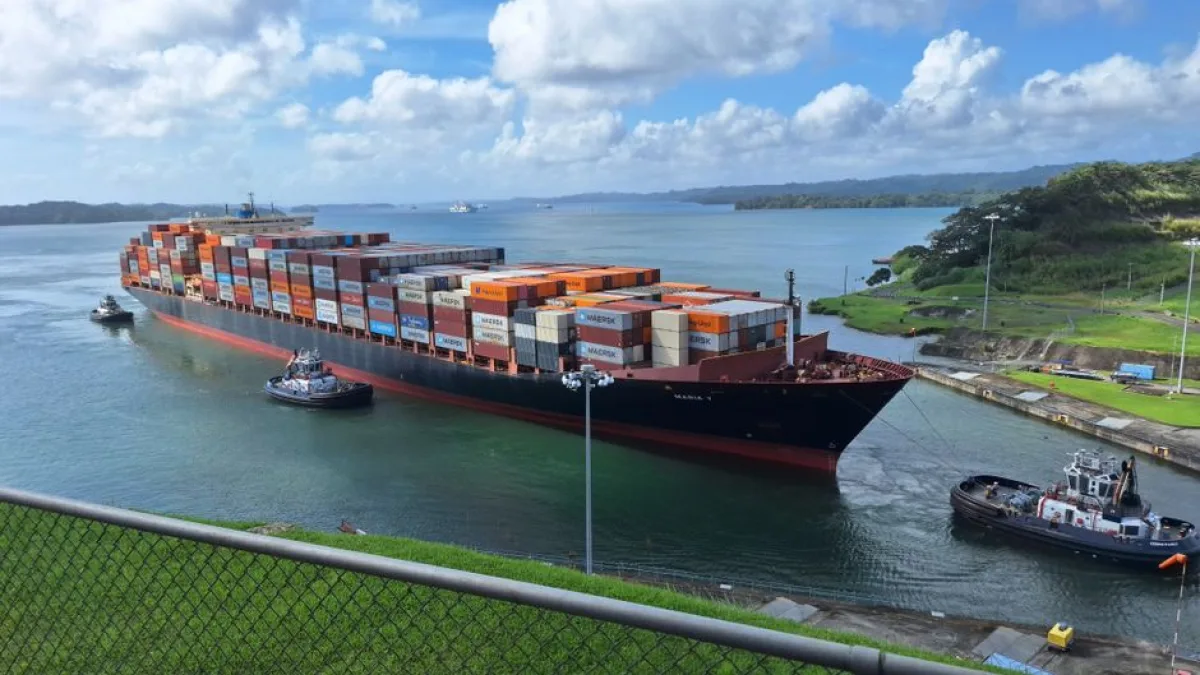
Visibility remains the most critical requirement for modern shippers who demand instant updates on cargo location. Providing proactive status notifications builds trust and allows forwarders to manage exceptions effectively before they escalate into major disruptions for the final customer.
- Live Status Updates: Integrate GPS and satellite tracking data directly into your dashboard to provide clients with precise, real-time insights into the location of their active shipments.
- Automated Milestone Alerts: Configure the system to send automatic notifications to stakeholders whenever cargo reaches a specific port or clears customs, saving time on repetitive client emails.
- Exception Management Dashboards: Highlight shipments that are delayed or at risk so your team can prioritize their communication efforts and provide proactive solutions to the affected parties.
- Global Carrier Integration: Connect your platform directly with major steamship lines and airline systems to pull real-time scheduling data, ensuring that your tracking information is always accurate.
Proactive tracking capabilities transform client relationships by shifting the burden of information inquiry away from the customer. When your clients feel informed about their cargo, they are far more likely to remain loyal. This level of transparency distinguishes your services from competitors who still rely on fragmented tracking methods. Investing in live visibility tools is a direct investment in your long-term business retention.
Collaborative Freight Management

Collaboration is the key to maintaining a seamless freight operation, especially when dealing with multiple offices, overseas agents, and external logistics partners. A unified platform enables everyone to share the same information, preventing silos and ensuring that operations stay aligned.
- Multi-User Access Levels: Configure specific permissions so that internal staff and external partners see only the data relevant to their roles, maintaining security while promoting transparency.
- Unified Communication Threads: Keep all messages, emails, and notes regarding a specific shipment within the platform, creating an audit trail that is accessible to all involved.
- Agent Portal Integration: Provide your overseas agents with a dedicated login to update shipment statuses, which eliminates the lag time typically associated with manual email exchanges.
- Shared Operational Tasks: Assign specific operational tasks to team members within the project management module to ensure that no responsibility falls through the cracks during transit.
Effective teamwork hinges on the ability to access correct data at the exact moment it is needed. When your team shares a single source of truth, the risk of miscommunication drops significantly. This collaborative approach enhances employee satisfaction by reducing the stress of coordination and allows your agency to handle larger shipment volumes without requiring additional headcount or expensive manual resources.
Financial Performance Analytics

Gaining control over your financial operations is essential for ensuring healthy margins in a volatile shipping market. Analytics help forwarders identify their most profitable routes, monitor carrier performance, and adjust their pricing strategies based on accurate, data-driven insights from previous shipments.
- Profit Margin Analysis: Calculate the net profitability of every shipment by automatically factoring in carrier costs, local charges, and overhead expenses linked to the specific logistics operation.
- Automated Invoice Generation: Link your operational tasks directly to the accounting module to generate accurate invoices as soon as milestones are reached, improving your overall cash flow.
- Carrier Performance Reviews: Track carrier reliability and service quality over time, allowing your procurement team to negotiate better rates based on historical data and service records.
- Customized Financial Reports: Generate detailed monthly reports that break down revenue by service type, client, or trade lane to help your leadership team make informed business decisions.
Data analytics empower freight forwarders to move beyond intuition and make decisions based on hard facts. By understanding exactly where your margins come from, you can optimize your operations and identify new revenue opportunities. Consistently analyzing your financial health is the best way to ensure the long-term viability of your company while maintaining a high standard of service for every single client.
Conclusion

Optimizing freight operations involves a combination of smart technology and efficient workflows that prioritize visibility and collaboration. By digitizing documentation, tracking shipments in real-time, and utilizing financial analytics, forwarders can stay ahead of the curve. Implement these strategies using MakeCargo to drive growth and operational excellence today. Contact our support team to learn how our platform transforms your daily logistics management tasks effectively.