Optimizing Freight Operations for Modern Forwarders
Monday, September 21 2026
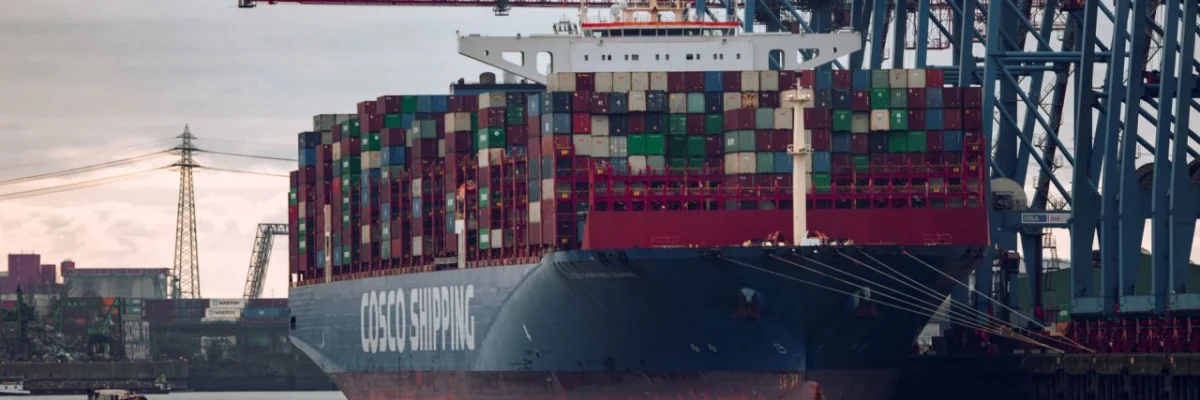
The global logistics landscape is undergoing a massive transformation driven by digitalization and shifting consumer demands. For freight forwarders, staying competitive requires moving beyond legacy systems and embracing agile, cloud-based workflows. Efficiency is no longer just about moving goods from point A to point B but about providing total visibility and seamless communication across the entire supply chain. By adopting modern technology and refining your operational processes, you can reduce manual errors, cut down lead times, and significantly improve your customer experience. This guide explores essential strategies to help your team navigate these complexities and thrive in today's fast-paced environment.
Digital Document Management

Transitioning from paper-heavy workflows to a centralized digital repository is the first step toward true operational agility. By digitizing documentation, forwarders can ensure that every stakeholder has instant access to critical data without the constant risk of human error or document loss.
- Cloud document storage: Securely upload all shipping documents to a centralized platform that allows your team to access files remotely while maintaining strict version control and data security protocols.
- Automated data extraction: Utilize optical character recognition software to automatically pull critical information from invoices and packing lists, reducing manual typing tasks and eliminating common data entry mistakes.
- Electronic signature integration: Speed up the approval process by implementing digital signature tools that allow clients and partners to sign documents instantly from any device across the world.
- Instant search capabilities: Maintain an organized digital archive that enables your staff to retrieve historical shipment records in seconds rather than spending hours digging through physical paper filing cabinets.
Adopting a digital-first strategy dramatically reduces the time spent on administrative tasks. When documents are managed through cloud systems, your team gains the flexibility to handle complex logistical requirements from any location. This shift minimizes bottlenecks caused by missing paperwork and improves overall processing speeds. By investing in these digital tools now, your firm secures a foundation for sustained long-term growth and operational excellence.
Effective Carrier Relationships

Strong partnerships with carriers serve as the backbone of reliable logistics. Maintaining transparent communication channels ensures that you can negotiate better rates, secure priority space during peak seasons, and quickly resolve any unforeseen disputes that might impact your clients shipments.
- Transparent communication channels: Establish regular touchpoints with carrier representatives to discuss capacity requirements and market trends, which builds the trust necessary for successful long-term business partnerships and collaboration.
- Rate negotiation strategies: Use data-driven insights from your management software to identify volume trends and leverage that information when negotiating more competitive freight rates with your carriers.
- Performance tracking metrics: Monitor carrier reliability through consistent reporting to ensure your partners are meeting agreed service levels and providing the quality your own customers expect daily.
- Collaborative problem solving: Develop joint contingency plans with key carrier partners to manage unexpected disruptions like port congestion or sudden labor shortages without impacting your final delivery timelines.
Building resilient relationships with your carriers requires a proactive approach to management. By prioritizing regular engagement and data-driven reviews, you turn transactional interactions into meaningful business partnerships. This strategy not only improves your leverage during contract renewals but also ensures that your shipments receive prioritized handling when capacity becomes tight. Investing time in your carrier network is essential for consistent service delivery.
Automated Workflow Automation

Manual processes are the silent killers of productivity in the logistics industry. By automating repetitive tasks such as tracking updates and status notifications, your team can redirect their focus toward high-value activities like relationship building and complex account management for clients.
- Automated status tracking: Configure your platform to send real-time tracking updates directly to clients via email or portals, removing the need for staff to manually answer status inquiries.
- Custom workflow triggers: Set up automated alerts for shipment milestones so your operations team receives immediate notifications when cargo reaches critical points in the global supply chain.
- Financial process integration: Link your operations software with accounting tools to automate invoicing and payment reconciliation, reducing the time spent on manual finance and administrative tasks.
- Exception management alerts: Implement intelligent alerts that notify you when a shipment deviates from its planned path, allowing for quick interventions before minor issues become large problems.
Workflow automation transforms your operations by removing the burden of repetitive, manual labor from your dedicated team members. This technology allows you to scale your business without increasing headcount, as the software manages high volumes of information effortlessly. By standardizing these internal processes, you create a consistent experience for your clients that builds trust and enhances your reputation for reliability and precision.
Client Communication Standards

In the digital age, customers expect immediate visibility into their shipments. Providing a transparent, real-time client experience is a key differentiator that helps freight forwarders stand out in a crowded market and improves client retention rates significantly over time.
- Customer portal access: Provide your clients with a dedicated secure web portal where they can view live status updates and download essential shipping documents at their convenience.
- Proactive communication strategy: Notify your clients about potential delays before they even ask for an update, demonstrating your commitment to transparency and exceptional service through timely communication.
- Mobile accessibility features: Ensure that your client-facing tools are optimized for mobile devices so that busy supply chain managers can check shipment statuses while traveling or off-site.
- Detailed reporting tools: Offer clients access to monthly performance reports that highlight shipping history and efficiency metrics, which adds tangible value beyond simple logistics and transport.
Exceptional client communication turns your freight forwarding services into a competitive advantage. When customers have access to the data they need, their dependence on manual support requests decreases, allowing your team to focus on strategic planning instead of firefighting. Consistently delivering clear, timely, and accessible information will foster long-term loyalty and position your firm as an indispensable partner in their supply chain.
Conclusion

Mastering freight logistics requires a blend of advanced technology, strong partner relationships, and a commitment to transparent communication. By implementing the best practices outlined here, you can streamline your operations, reduce costly errors, and improve the overall experience for your customers. Start small by automating one key area of your business and continue building from there to ensure sustainable growth and success.