Optimizing Freight Operations for Modern Forwarders
Tuesday, October 20 2026
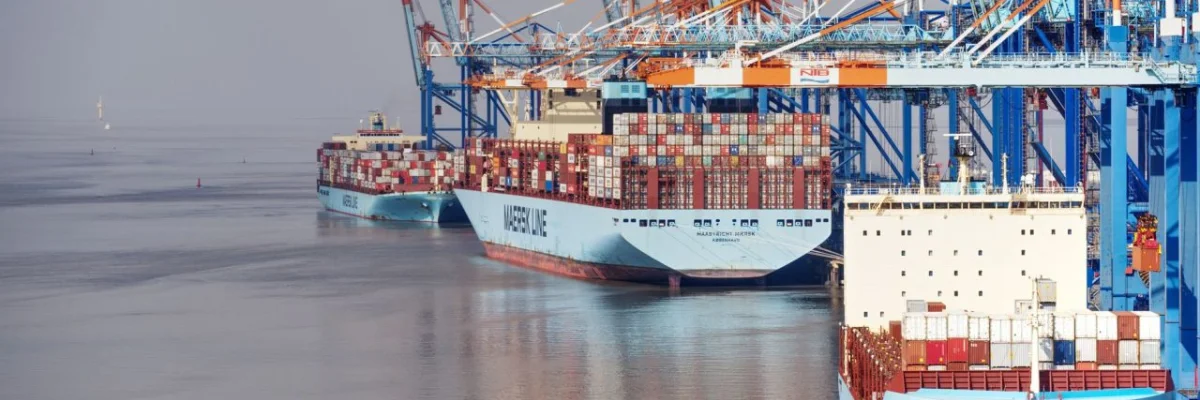
Freight forwarding is evolving at a rapid pace as global supply chains demand higher efficiency and transparency than ever before. For logistics professionals, managing complex documentation, carrier relationships, and fluctuating market rates requires a robust operational framework that minimizes manual errors. By embracing cloud-based automation, forwarders can reclaim time spent on repetitive tasks and focus on building high-value customer relationships. As digital transformation becomes the industry standard, mastering your freight operations is not just about keeping up with competitors but about scaling your business sustainably while navigating the unpredictable nature of international trade in a connected world.
Digitizing Documentation Processes

Modern digital workflows eliminate the reliance on paper-based filing systems that slow down customs clearance and internal processing. By centralizing documentation, freight forwarders gain real-time visibility into every shipment file, ensuring that compliance standards are met without constant manual verification efforts.
- Centralized document storage: Keeping all bills of lading and invoices in a secure cloud repository allows your team to access critical shipment data instantly from any global location.
- Automated data entry: Utilizing optical character recognition software helps reduce human errors during input, significantly increasing the overall accuracy of your customs declarations and shipping manifests.
- Streamlined approval workflows: Digital routing systems ensure that documents move between departments or clients for necessary signatures without being trapped in individual email inboxes for days.
- Compliance tracking tools: Integrating automated audit trails provides transparency during inspections, helping your company remain compliant with evolving international trade regulations and local maritime authority requirements.
Transitioning to a paperless environment is a foundational step for any forwarding firm aiming to improve operational speed. By removing physical bottlenecks, your team can resolve discrepancies faster and keep cargo moving across borders. These improvements provide a measurable boost to your service quality while reducing the administrative overhead that often drains resources in traditional freight forwarding operations during peak seasons.
Optimizing Carrier Management

Building strong partnerships with carriers is essential for securing reliable space and competitive rates. Effective management relies on clear communication channels and data-driven performance analysis, allowing forwarders to select the best shipping options based on real-world transit reliability and cost metrics.
- Performance analytics dashboards: Monitoring carrier reliability data enables you to identify which partners provide the best transit times and lowest rates for your specific trade routes.
- Instant rate comparison: Centralizing quote requests allows your operations staff to compare carrier pricing in seconds rather than spending hours manually reconciling multiple email inquiries.
- Dynamic route planning: Accessing real-time capacity data helps you adjust shipping routes quickly when port congestion or weather disruptions threaten to impact delivery timelines for clients.
- Automated partner communication: Using integrated messaging tools ensures that carrier updates are reflected instantly in your client portal, maintaining transparency throughout the entire life of transit.
When you optimize your interactions with shipping lines and trucking fleets, you minimize the friction that leads to operational delays. Providing accurate performance metrics keeps your team accountable and helps you negotiate better terms during contract renewals. By prioritizing data transparency, you transform your carrier management strategy from reactive firefighting into a proactive approach that adds significant value to your customers.
Leveraging Real Time Tracking
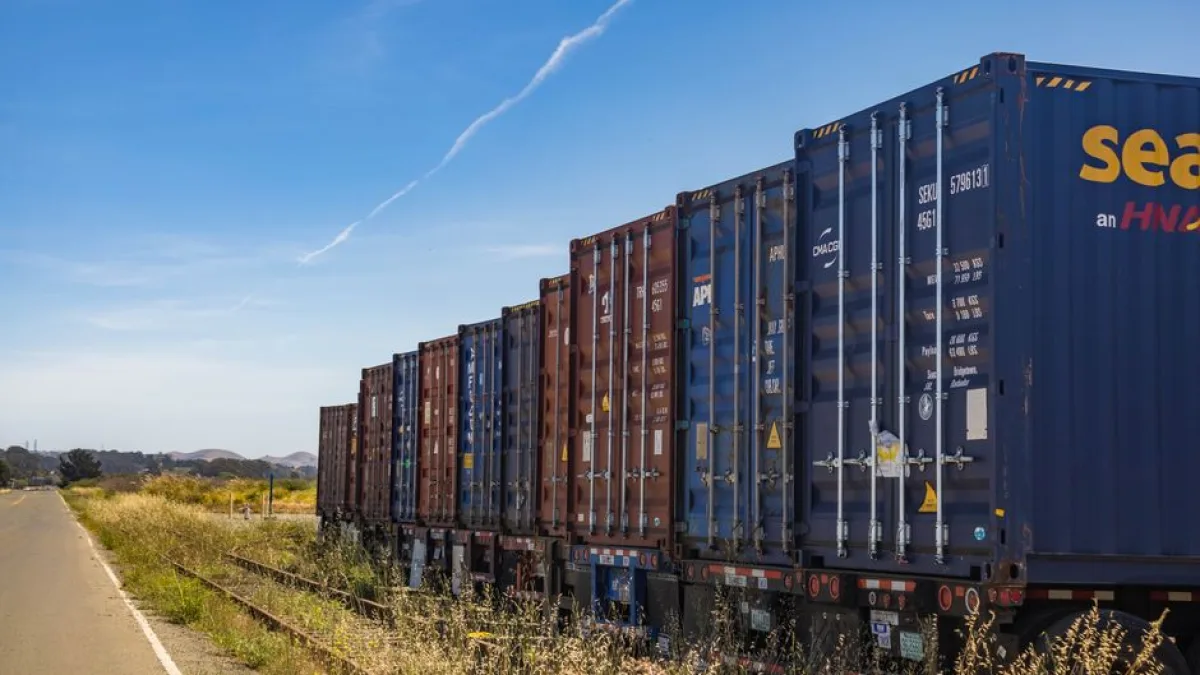
Real-time tracking is no longer just a luxury, it is a customer expectation that defines professional service. Providing clients with accurate, live updates on their cargo status builds deep trust and significantly reduces the volume of repetitive status inquiry calls.
- Automated milestone updates: Setting up system-triggered notifications ensures that your clients receive immediate alerts regarding vessel departures, arrivals, and any unexpected transit delays or customs holds.
- Integrated vessel tracking: Connecting directly to global vessel telemetry feeds allows your operations team to provide precise arrival predictions without needing manual checks on various websites.
- Enhanced shipment transparency: Providing customers with a branded tracking portal empowers them to self-serve, which frees up your staff to handle more complex logistical challenges.
- Proactive exception management: Advanced alerts notify your team the moment a shipment deviates from the plan, allowing for quick intervention to minimize potential impact on deadlines.
Delivering constant visibility turns your operational data into a competitive advantage that clients value highly. By automating the flow of information, you ensure that every stakeholder stays informed without requiring constant human intervention. This proactive stance on visibility reduces stress for your dispatch team and improves customer satisfaction scores, establishing your business as a reliable partner in a volatile market.
Scaling Through Automated Billing

Manual billing is often the most time-consuming part of freight operations, prone to errors that delay revenue collection. Automated financial processes integrate seamlessly with your operational data, ensuring that every shipment cost is captured and invoiced accurately and on time.
- Seamless system integration: Connecting your freight software with accounting platforms ensures that shipment costs are automatically mapped to invoices, reducing the need for manual data reconciliation.
- Automated invoice generation: System-generated invoices based on pre-defined rate cards prevent overbilling or underbilling issues, protecting your margins while maintaining high levels of professional trust with clients.
- Faster payment cycles: Offering digital payment options within your invoicing system reduces the time it takes for clients to settle accounts, directly improving your company cash flow.
- Comprehensive audit logs: Maintaining a clear record of every financial transaction makes the month-end closing process easier and faster for your finance department to complete daily.
Efficient billing cycles are crucial for maintaining healthy cash flow within a forwarding firm. By removing the manual burden of creating invoices, your team can focus on growth-oriented tasks instead of administrative paperwork. Automation ensures that your financial records remain accurate and consistent, providing you with the peace of mind needed to scale your operations effectively without increasing overhead costs significantly.
Conclusion

Modernizing your freight operations requires a commitment to digital tools that enhance efficiency and clarity. By streamlining documentation, improving carrier oversight, prioritizing real-time visibility, and automating financial tasks, you position your firm to handle growth with ease. Start evaluating your internal workflows today to identify where technology can bridge the gaps. Implementing these strategic changes will ultimately lead to increased profitability and superior service delivery.