Optimizing Freight Operations for Modern Forwarding Success
Tuesday, August 4 2026

Modern freight forwarding requires a delicate balance of precision, speed, and visibility to remain competitive in a volatile global market. As supply chain complexities grow, professionals must move beyond manual processes and embrace digital transformation to maintain high service standards. Integrating cloud-based platforms allows forwarders to centralize data, improve communication across teams, and ultimately deliver superior value to customers. By refining operational workflows and adopting agile methodologies, firms can reduce overhead costs while increasing throughput capacity. This article explores essential strategies for forwarders aiming to streamline their internal processes and achieve long-term growth through technological innovation and smarter resource management.
Digital Workflow Automation

Automating repetitive documentation tasks is essential for forwarders aiming to reduce human error and save time. By leveraging intelligent software, teams can transform their daily operations from manual data entry to strategic oversight and high-value customer relationship management.
- Automated Document Generation: Modern platforms automatically populate shipping documents like bills of lading and invoices using verified shipment data to ensure total accuracy while eliminating tedious manual typing tasks.
- Workflow Task Triggers: Smart notification systems alert specific team members when a shipment milestone occurs to keep the entire logistics cycle moving forward without constant management oversight.
- Data Integration Sync: Seamlessly connect your accounting, CRM, and customs systems to create a single source of truth that updates automatically across all departments in real time.
- Customized Workflow Templates: Define specific operational steps for different cargo types or trade lanes to maintain consistency across every single shipment handled by your diverse logistics team.
Adopting digital automation tools is not merely an optional upgrade for modern logistics providers but a fundamental necessity for survival. When your staff spends less time chasing spreadsheets and manual updates, they have more capacity to focus on client satisfaction and complex problem solving. Start by identifying the most repetitive tasks in your operation and transition them into your cloud-based management platform immediately.
Real-Time Cargo Visibility
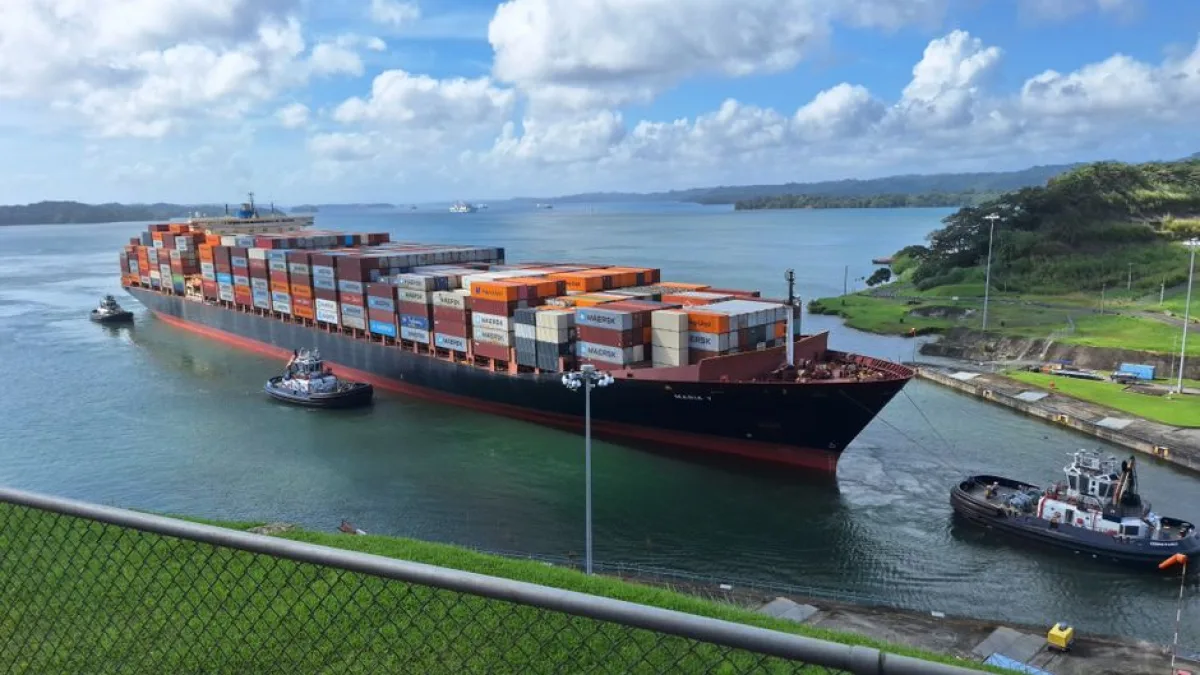
Providing clients with live tracking updates builds trust and fosters long-term business partnerships in a competitive environment. Today, stakeholders expect instant access to shipment status, location, and potential delays through integrated digital freight forwarding software solutions.
- Live Tracking Maps: Give your customers the power to view exact shipment locations on interactive maps updated via real time data feeds from global carrier information systems.
- Proactive Exception Alerts: Configure automated notifications that warn your team and clients immediately if a vessel is delayed or if cargo encounters unexpected port congestion issues worldwide.
- Client Portal Access: Provide an external portal where shippers can log in at any time to download their documents and view the status of their current bookings.
- Carrier API Integration: Direct connections with major ocean and air carriers ensure that your system receives the most accurate and up to date shipment milestones every hour.
Visibility serves as the backbone of the customer experience in the modern logistics sector today. When you provide transparent tracking data, you minimize the volume of repetitive status check inquiries directed at your operations desk. This efficiency allows your logistics coordinators to focus on more urgent tasks while maintaining a reputation for reliability and professionalism that attracts new high-value corporate shipping accounts.
Effective Resource Management

Allocating human resources effectively ensures that your team handles high-volume seasons without burning out or sacrificing service quality. Strategic capacity planning involves balancing staff workloads with automated tools to maintain optimal operational performance throughout the entire fiscal year cycle.
- Workload Distribution Tools: Software dashboards allow managers to see which team members have high case loads so that tasks can be redistributed during peak shipping seasons.
- Performance Analytics Dashboards: Use detailed reporting metrics to track how long it takes your team to process specific shipments and identify areas for potential improvement.
- Scalable Cloud Infrastructure: Cloud based systems allow you to add new users and permissions instantly as your business grows without needing complex hardware or software installations.
- Role Based Permissions: Secure your data by assigning specific access levels to different team members based on their specific operational roles within your growing global organization.
Managing resources successfully requires a clear view of your operational bottlenecks and team capacity constraints at all times. By utilizing data-driven insights from your software, you can make informed decisions about hiring, training, and workflow restructuring. Investing in the right tools empowers your team to perform at their best consistently, resulting in lower turnover rates and higher overall service performance levels.
Optimizing Vendor Communication

Clear communication between forwarders, trucking companies, and shipping lines prevents costly misunderstandings that frequently lead to delays. Centralizing your communication within your freight software platform keeps every party aligned and ensures that crucial information is never lost in emails.
- Centralized Communication Logs: Maintain a permanent record of all interactions related to a specific shipment to prevent confusion and ensure that everyone remains on the same page.
- Standardized Vendor Instructions: Send clear, automated instructions to your trucking partners and agents to ensure they understand exactly what is required for each specific job site.
- Automated Status Requests: Instead of manual emails, use your platform to send automated requests for updates to your vendors, ensuring you receive timely feedback every time.
- Integrated Messaging Features: Keep your internal teams and external partners connected through a secure platform that tracks every conversation attached directly to the active shipment record.
Strong relationships with your vendors form the foundation of a resilient and flexible supply chain strategy. When you minimize friction in communication, you reduce the likelihood of cargo dwell time and storage fees at busy ports. Prioritize platforms that facilitate seamless collaboration, as this will strengthen your entire network of partners and allow for faster resolution of issues as they happen.
Conclusion

Streamlining freight operations requires a commitment to digital tools that enhance visibility, automation, and communication. By adopting these strategies, you can reduce manual errors and improve client satisfaction significantly. Start your transformation by evaluating your current software capabilities today. Efficiency is the key to thriving in the evolving logistics landscape, so take the first step toward optimizing your freight business with MakeCargo right now.