Optimizing Freight Operations for Modern Forwarding Success
Saturday, August 29 2026
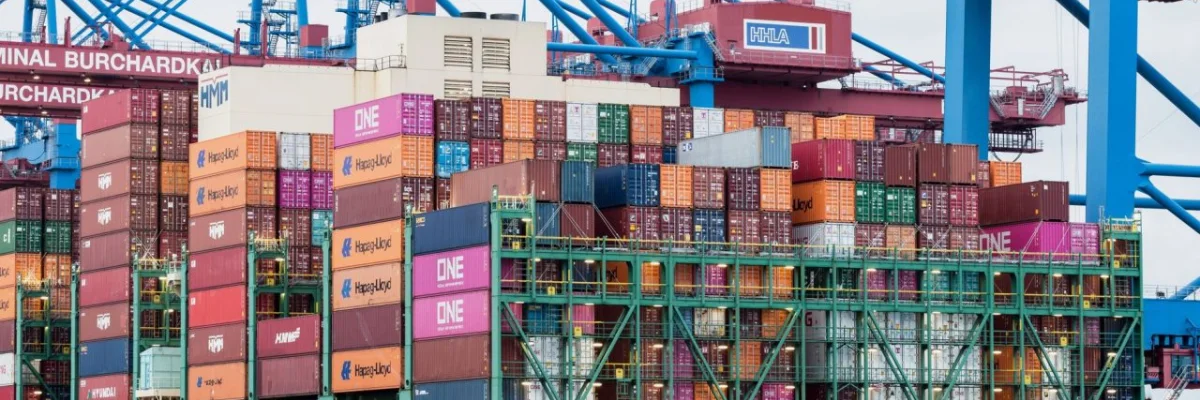
Modern freight forwarding requires a delicate balance of precision, speed, and visibility to remain competitive in a volatile global market. As supply chains grow more complex, forwarders must pivot away from manual spreadsheets and fragmented communication channels that hinder operational efficiency. Leveraging cloud based technology allows teams to centralize documentation, track shipments in real time, and proactively manage potential disruptions before they escalate. By embracing digital transformation and refining internal processes, logistics professionals can scale their service offerings while significantly reducing administrative overhead and human error across every stage of the shipment lifecycle.
Streamlining Documentation Workflows

Effective document management acts as the backbone of successful freight operations. By transitioning to digital workflows, teams can eliminate the time consuming nature of paper based filings, ensuring that all customs forms and bills of lading remain organized, accessible, and compliant with international shipping regulations.
- Centralized Document Storage: Utilize cloud platforms to keep all shipment files in one secure location, enabling instant access for your team members regardless of their physical geographical work location.
- Automated Data Entry: Implement intelligent software tools that extract key information from shipping documents, which drastically reduces manual typing errors and accelerates your overall booking confirmation processing speeds.
- Compliance Tracking Systems: Maintain updated digital records of all necessary trade certifications, allowing your team to verify regulatory adherence instantly while avoiding costly delays at busy international customs checkpoints.
- Seamless File Sharing: Securely distribute critical shipment documentation to carriers, shippers, and consignees through integrated portals, ensuring that every stakeholder maintains perfect alignment throughout the entire transport process lifecycle.
Adopting a robust document management system transforms how your team interacts with critical cargo data daily. Instead of searching through endless email chains for missing paperwork, your employees can focus on high value tasks that drive business growth. This transition improves accuracy across the board, providing a professional experience for your clients while ensuring that your operations remain audit ready at all times.
Enhancing Real Time Tracking
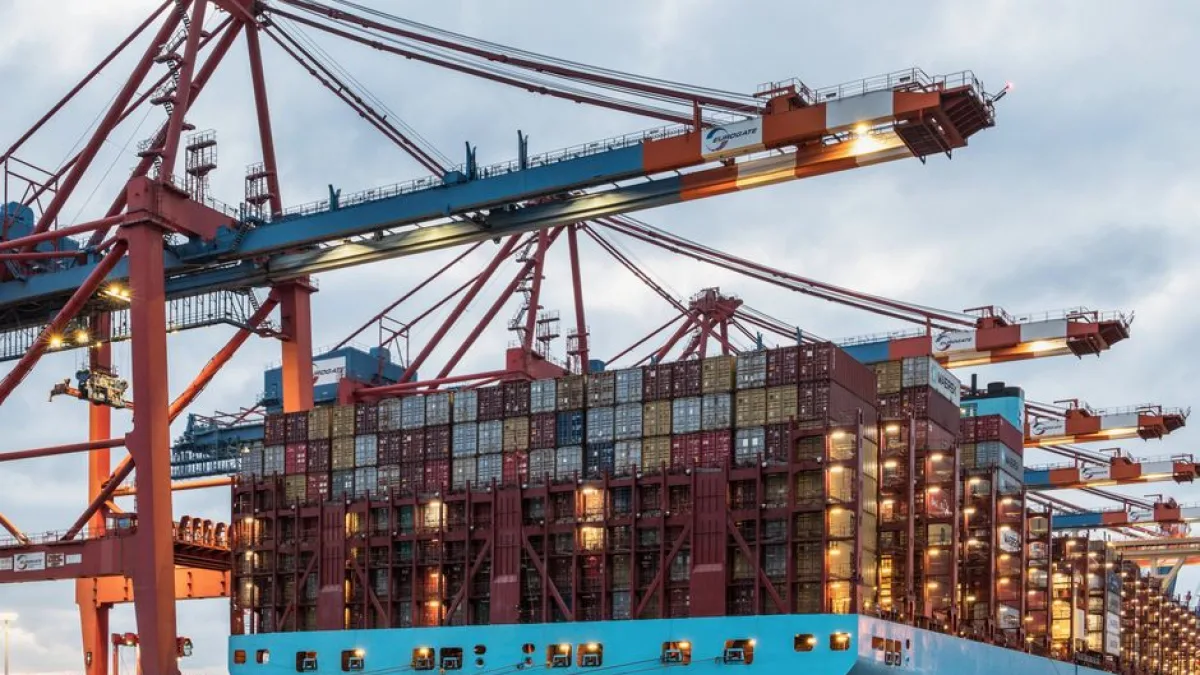
Visibility is the primary expectation of modern shippers who require constant updates on their cargo status. Providing clients with live tracking capabilities builds trust and allows for better supply chain planning, ultimately leading to higher retention rates and increased business opportunities.
- Live Cargo Updates: Offer your clients an integrated dashboard that provides real time location tracking for every shipment, reducing the frequency of inbound status inquiry calls and emails.
- Exception Alerts Automation: Configure your software to send immediate notifications to your team and clients if a shipment delay occurs, ensuring proactive communication before major problems ever arise.
- Integrated Carrier APIs: Connect your internal systems directly with global shipping lines and airlines to pull accurate movement data, providing a unified source of truth for all stakeholders.
- Client Portal Access: Empower your customers with a self service portal where they can monitor their shipments independently, significantly enhancing their overall experience and reducing your administrative burden.
Real time tracking is no longer a luxury feature but a standard requirement in the logistics industry. By providing transparency into the movement of goods, you position your brand as a reliable partner capable of navigating complex transport challenges. This level of visibility improves client satisfaction and allows you to respond rapidly to any disruptions that threaten to impact your promised delivery dates.
Managing Carrier Relationships

Strong relationships with carriers ensure better rates and priority space during peak shipping seasons. Effective management of these partnerships requires clear communication, reliable data, and a consistent approach to booking and billing processes across your entire professional logistics network.
- Performance Analytics Review: Track carrier reliability and transit times consistently to identify which partners provide the best value, allowing you to make data driven decisions for future bookings.
- Efficient Booking Processes: Standardize your booking requests and confirmations to reduce back and forth communication, making your team a preferred partner for carriers looking for simplified operations.
- Volume Based Negotiations: Use historical data gathered from your software to negotiate better contracts and dedicated space allocations, ensuring your clients receive competitive rates even during peak cycles.
- Automated Payment Processing: Streamline your invoicing and reconciliation workflows to ensure carriers are paid accurately and on time, which fosters mutual trust and encourages long term business cooperation.
Building strong carrier partnerships provides a significant advantage when global supply chain constraints become tight. When your operations run smoothly and your data is precise, carriers are more likely to prioritize your shipments over others. Investing time in these relationships transforms them into strategic assets that help your forwarding business weather market fluctuations while maintaining profitability and high service standards for your valued clients.
Automating Financial Workflows

Financial health is critical for any forwarder aiming for long term sustainability. Automating the billing and invoicing process helps maintain cash flow, reduces the chance of payment discrepancies, and provides clear insights into the profitability of every single freight shipment.
- Integrated Billing Tools: Generate accurate invoices immediately upon shipment completion, which minimizes the gap between service delivery and revenue collection while reducing manual calculations and common entry errors.
- Cost Tracking Precision: Monitor every associated cost per shipment, from carrier fees to local port charges, to ensure your profit margins remain protected on every single transaction processed.
- Automated Payment Reminders: Set up triggered notifications for outstanding client invoices to improve your overall cash flow position without requiring constant manual oversight from your dedicated accounting staff members.
- Financial Reporting Exports: Utilize built in reporting features to gain deeper insights into your business performance, enabling management to identify trends and adjust pricing strategies for better growth.
Automating your financial workflows removes the tedious manual effort usually associated with accounts receivable and payable departments. By ensuring that billing is fast and accurate, you create a more professional image and improve your company cash flow significantly. This technical approach allows your team to focus on freight movement instead of wrestling with spreadsheets, leading to a much healthier and more scalable organization.
Conclusion

Optimizing freight operations requires a commitment to digital tools that enhance visibility, streamline documentation, and automate complex financial workflows. By integrating these systems into your daily routines, you can reduce errors and improve client satisfaction throughout the supply chain. Start evaluating your internal processes today to identify areas for improvement and secure a lasting competitive advantage within the fast paced logistics market.