Optimizing Freight Operations for Modern Forwarding Success
Tuesday, September 1 2026
Freight forwarding is undergoing a profound digital transformation that demands agility and precision from every professional in the logistics sector. As global trade complexities increase, the need for robust operational strategies becomes critical for maintaining healthy margins and superior service quality. By integrating advanced software solutions, forwarders can transition from reactive troubleshooting to proactive management. This shift not only minimizes human error but also empowers teams to focus on high-value client relationships. Embracing technological innovation is no longer an optional upgrade for competitive firms; it is the fundamental backbone for sustainable growth in the fast-paced international shipping market today.
Mastering Automated Documentation Flows

Streamlining the documentation process is vital to avoiding costly delays at customs and ports of entry. Automated systems help forwarders manage complex paperwork requirements with ease, ensuring that every shipment moves through the supply chain without unnecessary bottlenecks or administrative errors.
- Centralized data storage: Keeping all shipment documents in a single cloud platform ensures that team members can access critical information instantly regardless of their physical location or time zone.
- Automated validation checks: Software tools automatically flag missing information or data entry discrepancies before documents are submitted to authorities, significantly reducing the likelihood of customs holds and expensive fines.
- Seamless template integration: Using standardized digital templates ensures consistency across all bills of lading and invoices, which helps maintain a professional brand image and simplifies internal audit processes.
- Real-time status updates: Automated systems notify stakeholders the moment a document is approved or updated, keeping everyone informed and reducing the volume of manual status inquiry emails.
By leveraging automation, freight forwarders can effectively remove the burden of repetitive data entry tasks from their operations. This allows staff to dedicate more time to strategic decision making rather than drowning in piles of paperwork. Consistent documentation management not only speeds up the clearance process but also builds trust with clients, fostering long-term loyalty and repeat business in a highly competitive market environment.
Optimizing Carrier Selection Processes
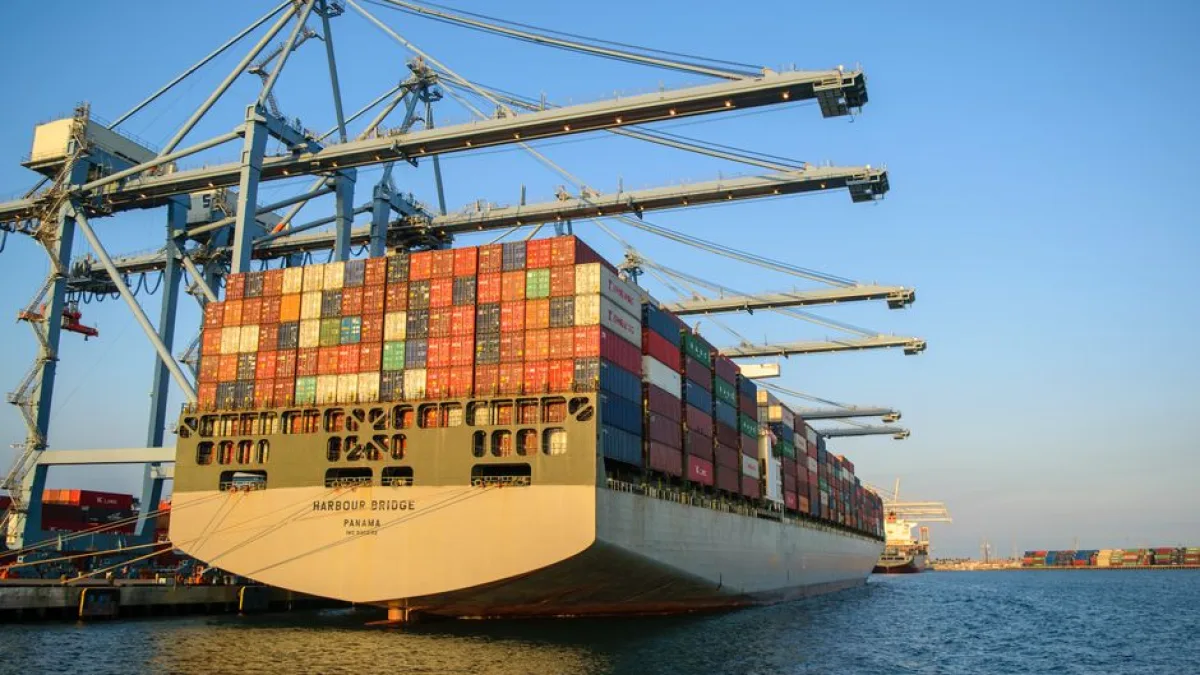
Choosing the right carrier involves balancing cost, speed, and reliability to meet specific customer demands. Advanced platforms enable forwarders to compare multiple quotes and performance metrics in seconds, facilitating smarter decisions that improve the overall efficiency of every single ocean shipment.
- Dynamic rate comparison: Instantly view and compare real-time pricing from various carriers to ensure you secure the most cost-effective shipping lanes for your clients every single time.
- Carrier performance metrics: Track and analyze historical data regarding on-time arrivals and equipment availability to make data-driven choices when selecting partners for your critical cargo shipments.
- Automated booking workflows: Eliminate manual entry by triggering carrier bookings directly from your management dashboard, which reduces processing time and minimizes the risk of human clerical errors.
- Dynamic route planning: Utilize intelligent routing features to identify the most efficient paths based on current weather conditions, port congestion, or seasonal peaks in shipping demand.
Optimizing how you select and manage carriers leads to significant cost savings and improved service reliability. When forwarders rely on accurate data rather than guesswork, they minimize the risk of delays and satisfy demanding customers. This strategic approach to carrier management transforms operations from a logistical challenge into a distinct competitive advantage that helps your business thrive in the volatile international shipping industry.
Enhancing Real-Time Shipment Visibility

Providing clients with accurate, real-time shipment updates is essential for maintaining transparency and trust. Modern freight software offers live tracking capabilities that keep all parties informed, effectively reducing the frustration associated with blind spots during the transit of international goods.
- Live tracking links: Generate unique tracking portals that allow your customers to view the current status of their cargo without needing to contact your operations team directly.
- Proactive delay alerts: Receive automatic notifications if a vessel is delayed due to weather or port congestion, allowing you to inform customers before problems escalate further.
- Geofencing notification triggers: Set up automated alerts that inform your team when shipments arrive at specific geographical milestones, ensuring that ground transport is ready for pickup.
- Unified visibility dashboards: View all active shipments on one interactive map to identify potential bottlenecks across your global network and address them before they impact delivery.
Increased transparency empowers freight forwarders to manage client expectations more effectively, even when unforeseen disruptions occur during transit. By offering a digital window into the shipping journey, you demonstrate professionalism and provide a level of service that modern shippers expect. This commitment to visibility turns communication from a reactive chore into a value-added service that differentiates your brand from traditional competitors.
Scaling Operations Through Cloud Integration

Cloud-based platforms provide the scalability necessary to grow your freight business without increasing overhead costs significantly. These systems offer the flexibility to handle high volumes of cargo, ensuring that your operational infrastructure remains agile during busy shipping seasons and market fluctuations.
- Cloud infrastructure scalability: Quickly adjust your system capacity to handle higher volumes of bookings during peak seasons without the need for additional physical hardware or servers.
- Seamless software integrations: Connect your forwarding platform with accounting and ERP tools to ensure that financial data flows automatically, reducing the time spent on monthly reconciliations.
- Enhanced data security: Protect sensitive shipment and client information with enterprise-grade cloud security protocols that are far more reliable than traditional paper files or local hard drives.
- Global team collaboration: Allow remote and office-based staff to collaborate on the same shipment files in real time, breaking down communication silos and accelerating task completion rates.
Adopting cloud-based technologies is the most effective way to prepare your freight forwarding firm for long-term growth and success. By removing physical limitations and enabling seamless digital collaboration, you create a resilient business model that can adapt to changing market conditions. This operational agility ensures that your team remains focused on growth while providing consistent, reliable service to your global customer base.
Conclusion
Implementing these operational strategies is essential for staying ahead in the logistics industry. By focusing on automation, visibility, and cloud-based scalability, freight forwarders can reduce errors while improving overall efficiency. MakeCargo provides the tools necessary to execute these improvements seamlessly, enabling your team to focus on scaling the business. Start your digital transformation today to ensure a profitable and competitive future for your firm.