Optimizing Freight Operations for Modern Forwarding Success
Tuesday, September 1 2026
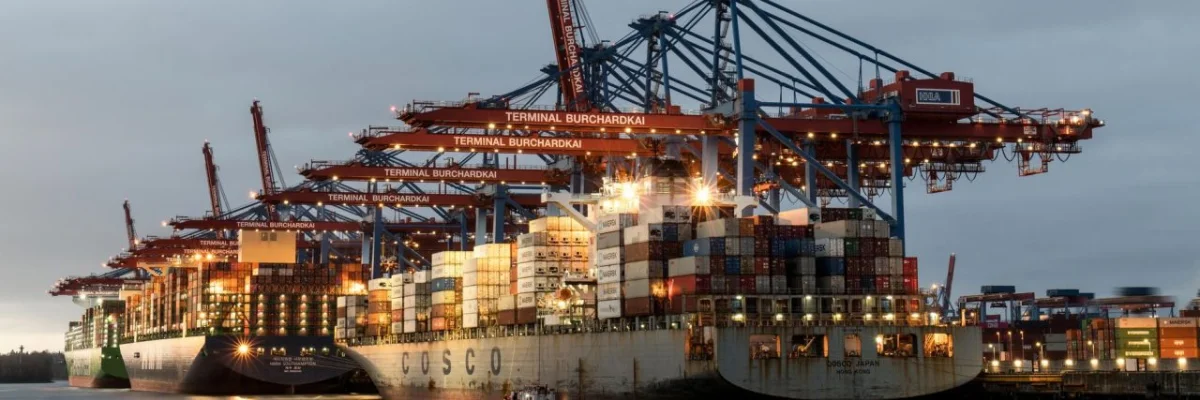
Modern freight forwarding is undergoing a massive transformation driven by rapid digitization and evolving supply chain demands. Forwarding professionals today must navigate complex logistical landscapes while maintaining high service levels for their clients. Efficiency is no longer just an advantage but a fundamental requirement for long-term viability in the global shipping sector. By leveraging cloud-based platforms, forwarders can automate manual tasks, enhance real-time visibility, and foster better collaboration across their internal teams. Adopting these advanced operational strategies allows businesses to scale effectively and handle the increasing volatility of international trade while consistently meeting strict delivery deadlines.
Mastering Digital Documentation
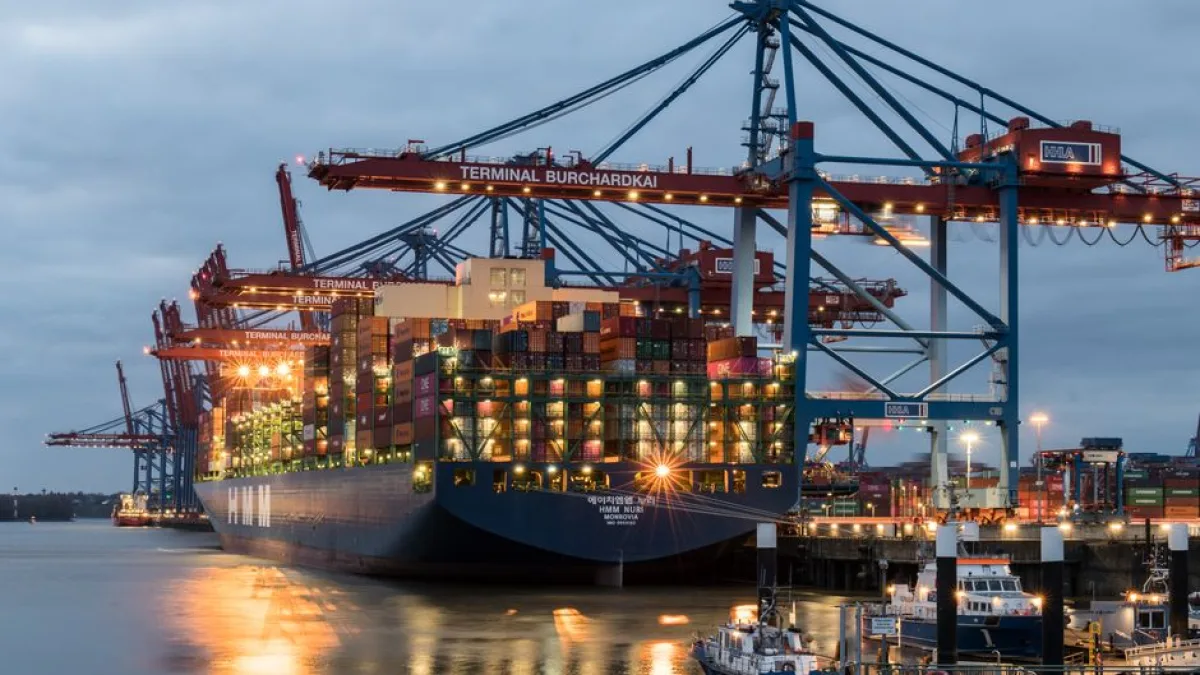
Efficient documentation management is the backbone of successful freight operations. By transitioning from paper-heavy processes to cloud-based digital filing, forwarders significantly reduce errors, lower overhead costs, and ensure that compliance documentation is readily accessible for all authorized stakeholders during transit.
- Centralized document repository: Cloud platforms provide a single source of truth for all shipping documents, ensuring that every team member can access updated files without manual synchronization or email backlogs.
- Automated data entry: Smart software solutions extract key information from shipping instructions, which minimizes human data entry errors and speeds up the entire booking and customs clearance process significantly.
- Real-time compliance checks: Digital systems flag missing documents or regulatory discrepancies immediately, preventing costly delays and penalties that often arise from incomplete paperwork during the international shipping lifecycle.
- Secure cloud access: Hosting sensitive client data in a secure, encrypted cloud environment protects company information from physical damage and unauthorized access while facilitating remote work for global teams.
Transitioning your documentation workflows to a digital-first approach provides a tangible edge in the current competitive market. When teams spend less time chasing papers, they can focus on high-value client communication and complex troubleshooting. This proactive shift prevents common bottlenecks, ensuring that every shipment moves through the supply chain with minimal friction and maximum transparency, ultimately leading to improved client satisfaction and higher retention rates.
Enhancing Real-time Shipment Visibility
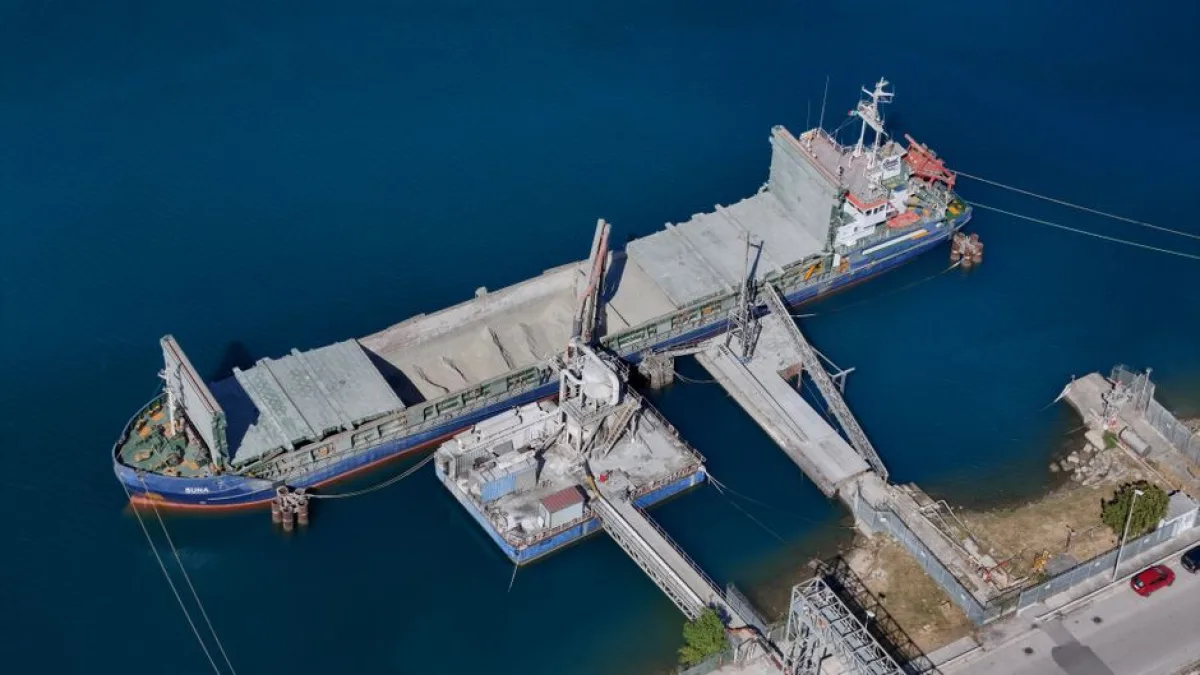
Visibility acts as a critical differentiator for modern freight companies. Providing clients with live tracking updates empowers them to make informed decisions about their own inventories, reducing panic during minor transit delays and building deep, long-term professional trust.
- Live tracking portals: Integrated dashboards allow clients to check the status of their cargo 24/7, reducing the high volume of routine status update emails that occupy staff time.
- Proactive delay alerts: Automated notification systems inform your operations team of unexpected vessel or flight delays, allowing them to communicate solutions before the client even realizes a problem.
- Geofencing technology integration: Advanced logistics tools utilize geofencing to trigger automatic milestones, providing precise location data as containers pass through specific checkpoints at major global shipping ports.
- Carrier data consolidation: Aggregating tracking information from multiple ocean and air carriers into one interface gives you a complete operational overview without toggling between different tracking websites.
Transparent communication is the cornerstone of maintaining strong relationships in the logistics industry. By utilizing robust visibility tools, freight forwarders convert uncertainty into a structured, predictable experience for their customers. This clarity does not just solve immediate problems but transforms the entire service delivery model, turning standard shipping into a premium, data-driven experience that keeps your clients coming back for future business needs.
Optimizing Internal Team Collaboration

Collaboration is essential for managing the intricacies of multi-leg shipping routes. When your operations, sales, and accounting departments work in silos, information gaps occur that lead to costly delays and misaligned client expectations throughout the shipment lifecycle.
- Shared communication channels: Embedding internal chat features directly within your freight software prevents critical shipment details from getting lost in fragmented email chains or offline personal messaging apps.
- Task assignment features: Managers can easily assign specific shipment milestones to different team members, ensuring clear accountability and preventing tasks from falling through the cracks during busy peaks.
- Unified client profiles: Providing all staff with a holistic view of client history ensures that everyone speaks with the same voice when answering questions or negotiating new rates.
- Knowledge base access: Creating a digital library of standard operating procedures helps new hires ramp up faster and ensures that experienced staff follow established, efficient company workflows.
Fostering a collaborative environment drives collective problem solving and operational agility. When every team member has access to the same current data, the organization becomes far more resilient to sudden market disruptions or unexpected staffing changes. Empowering your workforce with the right collaborative software ultimately results in a more cohesive company culture, allowing your staff to deliver seamless service regardless of shipping complexity.
Leveraging Advanced Operational Analytics

Data is the most valuable asset for a forwarder looking to scale operations. Analyzing performance metrics provides hidden insights into route profitability, carrier reliability, and resource allocation, enabling leaders to make data-backed adjustments that directly impact the bottom line.
- Carrier performance metrics: Tracking on-time delivery rates across various partners helps you identify the most reliable carriers, allowing for more strategic selection during the high-pressure peak shipping seasons.
- Operational cost tracking: Detailed reporting on every shipment enables the identification of hidden costs, helping your finance team optimize pricing strategies and improve overall margins per container.
- Automated financial reporting: Generating profit and loss statements at the individual shipment level gives managers immediate clarity on which accounts are performing well and which need improvement.
- Predictive demand modeling: Historical shipping data helps forecast upcoming volume surges, allowing your operations team to prepare necessary capacity and resources before the heavy demand period actually hits.
Harnessing the power of analytics turns your historical data into a strategic roadmap for the future. By moving away from reactive operational habits, you begin to anticipate industry trends and adjust your internal processes accordingly. This predictive approach keeps your freight forwarding business ahead of the competition, ensuring sustainable growth and consistent profitability in an increasingly volatile global shipping landscape today.
Conclusion

Mastering freight operations requires a commitment to both innovative technology and streamlined communication. By adopting digital documentation, improving visibility, fostering collaboration, and utilizing data analytics, forwarders can significantly enhance their market position. The future of logistics belongs to those who embrace cloud solutions to simplify complexity. Start optimizing your operations today to ensure your business remains scalable, efficient, and highly responsive to client needs.