Optimizing Freight Operations for Modern Forwarding Success
Wednesday, September 2 2026

Modern freight forwarding requires a delicate balance between rapid execution and meticulous documentation management. As global supply chains grow increasingly complex, forwarding professionals must move beyond manual workflows to maintain profitability and service reliability. This shift towards digital transformation is not merely an optional upgrade but a fundamental requirement for staying competitive in a volatile market. By leveraging cloud based platforms, teams can bridge communication gaps, reduce human error, and gain full visibility into every movement. Mastering these operational strategies empowers logistics providers to navigate disruptions with confidence, ultimately delivering superior value to shippers while fostering long term business growth.
Standardizing Documentation Processes

Manual data entry often serves as the primary bottleneck within forwarding operations. By implementing standardized digital templates, teams can accelerate processing times and drastically reduce the risk of clerical errors that lead to costly delays and penalty fees at customs borders.
- Centralized Document Storage: Utilize cloud platforms to keep all commercial invoices and packing lists in one accessible location to ensure your team remains aligned throughout the shipment lifecycle.
- Automated Data Capture: Integrate optical character recognition technology to extract vital information from PDFs directly into your transport management system to save hours of tedious manual data entry.
- Real Time Verification: Deploy automated validation checks that instantly flag missing information or incorrect codes before documents are submitted to port authorities or carriers for final processing.
- Version Control Systems: Implement strict file tracking protocols so that every stakeholder works from the most current document iteration, preventing confusion and potential disputes during cargo clearance procedures.
Transforming how your firm manages documentation allows staff to focus on higher value tasks rather than administrative upkeep. When data flows seamlessly between systems, visibility increases and potential bottlenecks are identified before they escalate into major issues. This proactive approach strengthens client relationships and establishes your company as a reliable partner capable of handling demanding logistics requirements without compromising on speed or accuracy.
Enhancing Carrier Communication Strategies
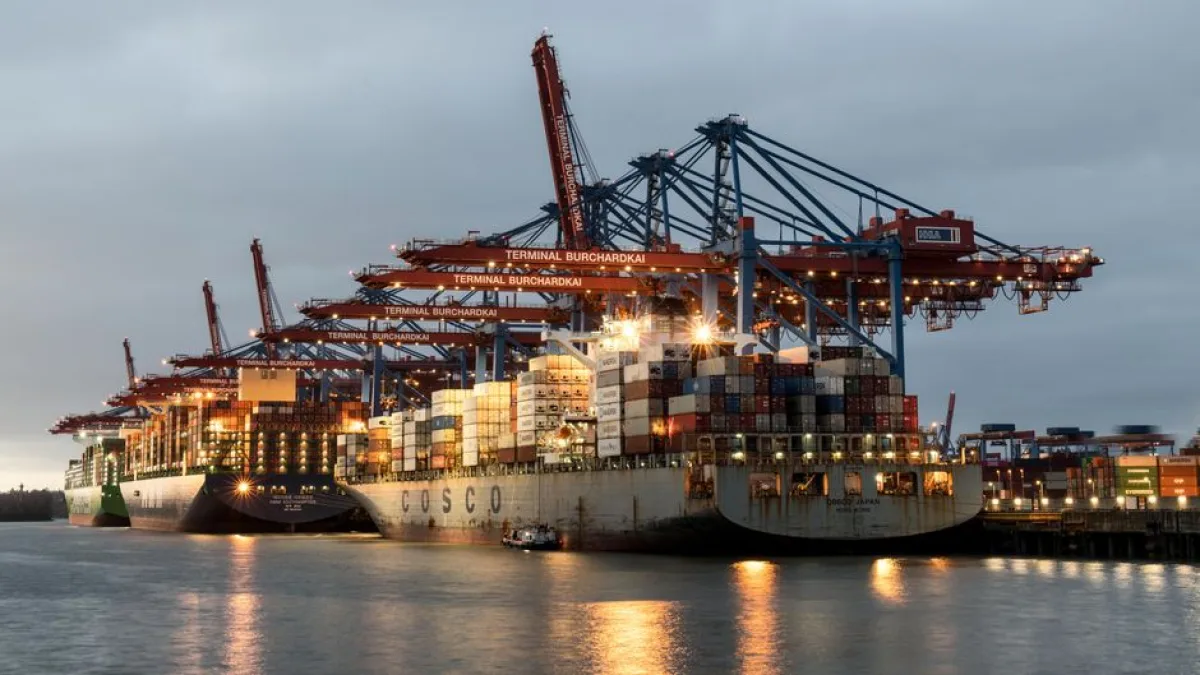
Strong partnerships with ocean and air carriers remain the backbone of any successful freight operation. Establishing automated communication loops ensures that your team receives timely status updates, allowing for better exception management and improved reliability during periods of unexpected global turbulence.
- Integrated API Connections: Connect your software directly with carrier portals to receive instantaneous updates regarding vessel schedules, container tracking, and potential arrival delays without manual follow up calls.
- Standardized Email Templates: Utilize pre configured messaging formats for booking requests and carrier inquiries to ensure all essential data points are communicated clearly to avoid unnecessary back and forth.
- Automated Milestone Alerts: Configure your system to trigger notifications for specific transit events, giving your team the heads up required to manage customer expectations before problems arise.
- Performance Analytics Dashboards: Analyze carrier response times and reliability data to make informed decisions about which partners provide the best value for your specific shipping lanes.
Effective communication strategies help convert raw data into actionable insights for your entire logistics team. By moving away from fragmented emails and phone calls, you create a unified operational environment that thrives on transparency and speed. Maintaining strong carrier relationships through digital integration not only saves valuable time but also positions your company to negotiate better terms and secure priority space.
Leveraging Real Time Tracking Data

Visibility acts as the currency of modern logistics management. Clients demand precise updates on cargo location and arrival times, making real time tracking a non negotiable feature for any freight forwarder seeking to maintain a high level of market authority.
- Live Vessel Monitoring: Access satellite based tracking data to pinpoint exactly where shipments are in transit, allowing your team to proactively communicate any potential delays to stakeholders.
- Automated Status Notifications: Program your freight platform to send automatic alerts to clients whenever a milestone is hit, reducing the need for manual status updates from staff.
- Exception Handling Tools: Use data visualization to spot shipping anomalies early, enabling your team to implement contingency plans before the cargo is stuck at a port.
- Customized Client Portals: Provide customers with secure access to their own tracking dashboards, empowering them to self serve while increasing overall trust in your operational capabilities.
By providing clients with clear and accurate visibility, you demonstrate professional competence and build deeper levels of trust. This transparency reduces anxiety during transit and positions your firm as a technology forward leader. When your team can answer complex shipment questions instantly, they save time and provide a superior customer experience that distinguishes your services from competitors in a crowded global marketplace.
Automating Financial Workflow Cycles

The final stage of any shipment involves invoicing and financial reconciliation, which are frequently prone to errors. Automating these fiscal processes ensures that cash flows remain healthy while eliminating the administrative burden associated with traditional paper based accounting methods.
- Automated Invoice Generation: Create professional invoices automatically once a job is marked as completed, ensuring that billing is accurate and delivered to clients without unnecessary delay.
- Dynamic Currency Conversion: Apply live exchange rates to international shipping invoices to ensure precision in your revenue collection and protect your profit margins from market fluctuations.
- Integrated Payment Gateways: Offer digital payment options to your customers, which helps accelerate the collection process and simplifies the reconciliation process for your back office accounting team.
- Audit Trail Transparency: Maintain a digital log of every financial transaction associated with a shipment file, simplifying tax compliance and internal financial reviews during peak periods.
Efficient financial operations are essential for maintaining sustainable growth and a healthy balance sheet. By automating routine accounting tasks, you significantly reduce the risk of human error while improving the speed at which you receive payments. This operational rigor frees up resources to invest in technology, training, and expansion, ensuring your freight forwarding business remains resilient, profitable, and ready for future challenges.
Conclusion

Achieving operational excellence requires a commitment to digital integration and continuous process improvement. By standardizing documentation, automating communication, and leveraging real time data, forwarders can unlock significant efficiency gains. These strategic shifts reduce overhead costs and improve customer satisfaction across all trade lanes. Start optimizing your freight operations today to ensure your company remains competitive and prepared for the evolving demands of the global logistics industry.