Optimizing Freight Operations for Modern Forwarding Success
Thursday, September 10 2026
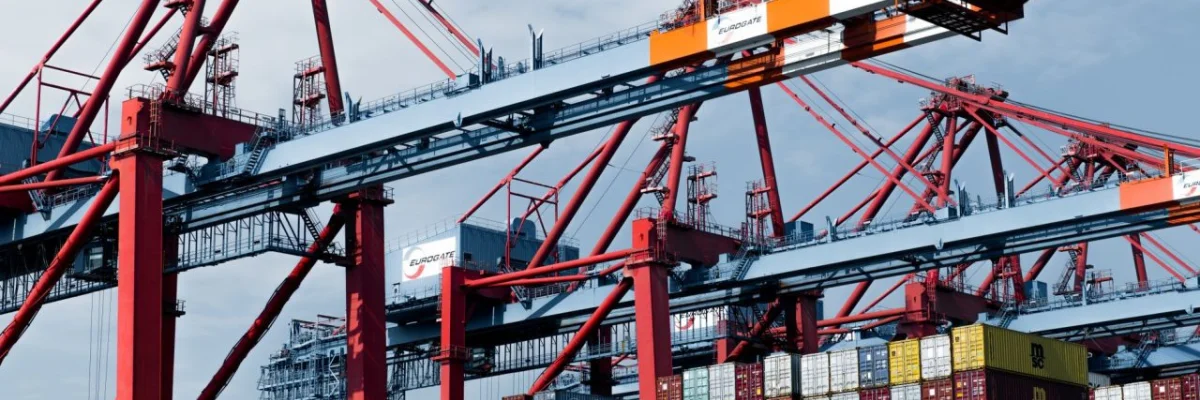
Modern freight forwarding is evolving at an unprecedented pace as global supply chains face increasing complexity and volatility. Logistics providers must move beyond legacy manual processes to maintain a competitive edge in a crowded marketplace. Success now depends on the seamless integration of digital tools that enhance visibility and improve data accuracy across every shipment stage. By prioritizing automation and real-time connectivity, forwarders can significantly reduce operational overhead and elevate client satisfaction. This article explores essential strategies that empower logistics teams to refine their internal workflows and scale their operations effectively while navigating the challenges of the international trade landscape today.
Automating Documentation Processes

Transitioning from paper-heavy workflows to digital documentation is critical for reducing errors and saving valuable time. Automated data entry minimizes the risk of manual mistakes that lead to costly delays and compliance issues during the complex customs clearance process.
- Reducing manual entry: Implementing software to automate data input ensures that shipment details are captured accurately across systems, significantly lowering the probability of human error in your daily operations.
- Standardizing document flows: Creating consistent templates for bills of lading and commercial invoices allows your team to maintain professional standards and speed up the processing of essential shipping documents.
- Centralizing digital archives: Storing all shipment documentation in a secure cloud repository ensures that your staff can retrieve vital information instantly whenever a customer or partner makes inquiries.
- Validating data integrity: Automated verification tools check for discrepancies between shipping records, preventing compliance penalties and ensuring that all regulatory requirements are met before cargo reaches the border.
- Accelerating customs clearance: Integrated platforms push data directly to relevant authorities, which simplifies the clearance journey and reduces the time cargo spends sitting idle at busy port facilities.
By removing the burden of repetitive paperwork, your staff can shift their focus toward high-value activities such as client management and strategic route planning. This digital transformation not only improves the speed of your operations but also creates a scalable framework that supports long-term business growth. Efficiency becomes the standard rather than an exception when technology handles the repetitive backend tasks that consume professional time.
Enhancing Shipment Visibility
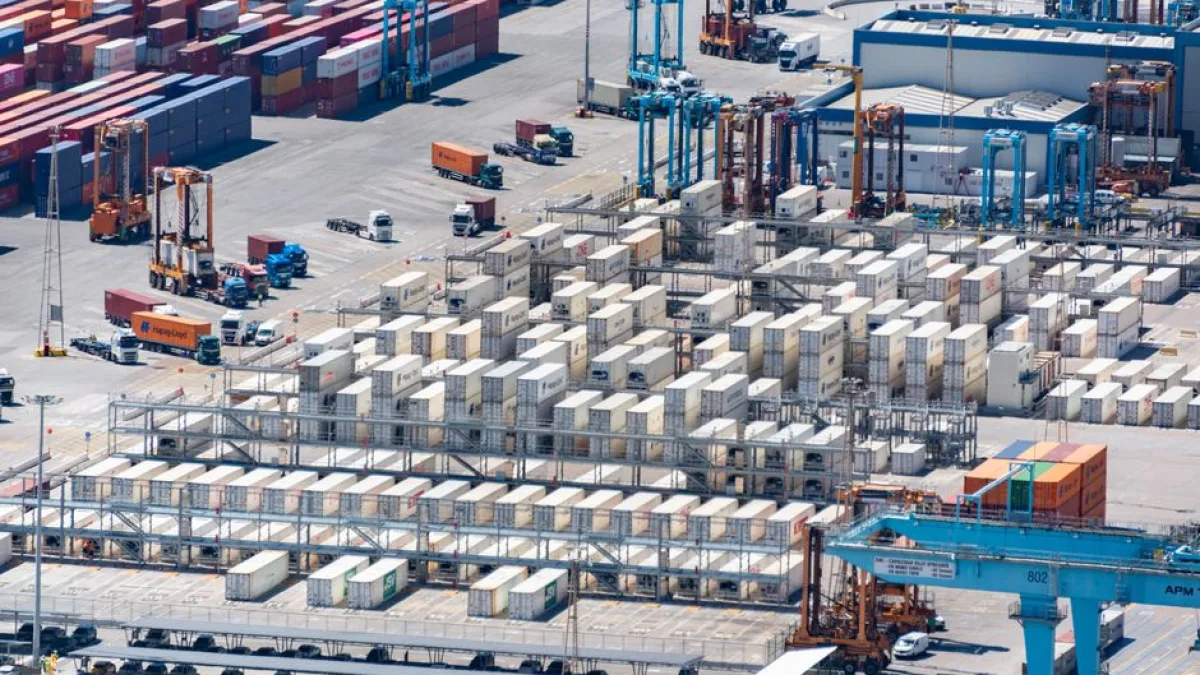
Real-time tracking provides unparalleled clarity for both forwarders and their clients in an unpredictable global market. Providing transparent updates reduces the frequency of status inquiries and builds lasting trust through reliable and proactive shipment communication for all stakeholders.
- Providing live tracking: Offering clients an automated portal for real-time shipment status updates ensures transparency and significantly reduces the volume of repetitive phone calls and email queries daily.
- Managing exception alerts: Automated notifications warn teams of potential delays or route changes, allowing proactive problem-solving before minor issues escalate into major operational disruptions for your clients.
- Unified supply chain: Integrating data from carriers and port operators into one dashboard creates a single source of truth for every team member managing complex international logistics.
- Improving partner collaboration: Sharing accurate milestones with trucking companies and warehouse managers ensures everyone remains aligned, fostering a synchronized workflow that eliminates gaps in the logistics chain.
- Data-driven decision making: Analyzing historical tracking data reveals recurring bottlenecks, enabling you to optimize carrier selection and improve future transit times based on proven performance metrics instead.
Visibility serves as the backbone of superior service in the freight forwarding industry. When forwarders can accurately predict arrival times and preemptively address transit issues, they transform from simple service providers into indispensable strategic partners. Investing in robust tracking technology ensures that you remain competitive by offering the reliable, transparent, and high-quality service levels that today's global shippers explicitly demand and expect.
Optimizing Carrier Management

Managing carrier relationships requires a careful balance of cost efficiency and performance reliability. By leveraging centralized software, forwarders can monitor carrier health and pricing models to ensure that every shipment aligns with both budget requirements and quality standards.
- Benchmarking carrier performance: Tracking transit times and reliability scores allows your team to identify top-performing partners and adjust routing strategies to favor those who consistently meet expectations.
- Negotiating better rates: Consolidating shipment volumes through a unified platform provides the analytical leverage needed to negotiate superior pricing and service agreements with your primary global carriers.
- Managing multi-modal logistics: Effective platforms track progress across ocean, air, and ground transport, ensuring that handovers are handled smoothly and transit times remain within the agreed limits.
- Automating rate requests: Sending out automated quote requests to multiple vendors at once saves hours of manual labor and ensures you always get the most competitive pricing.
- Ensuring compliance standards: Tracking carrier certifications and insurance coverage in a central system protects your company from liability risks and ensures that all partners meet necessary safety.
Strategic carrier management is essential for maintaining thin margins in the highly competitive logistics sector. By utilizing technology to streamline these relationships, you create a more resilient network that can adapt to sudden market shifts or capacity shortages. This disciplined approach to carrier selection and performance tracking ultimately protects your bottom line while ensuring consistent delivery quality for all your shipping clients.
Streamlining Financial Workflows

Financial health depends on accurate billing and timely invoice reconciliation across your entire organization. Integrating your freight software with accounting systems eliminates manual discrepancies and ensures that your cash flow remains positive while reducing the administrative burden on teams.
- Automating invoice generation: System-generated invoices ensure that all accessorial charges are captured accurately, reducing disputes with clients and speeding up the overall billing cycle for your accounting staff.
- Syncing accounting systems: Direct integration with tools like Xero or QuickBooks removes the need for duplicate data entry, saving time and keeping your financial records perfectly updated.
- Tracking profit margins: Detailed reporting on every shipment allows you to view revenue versus costs in real time, helping you identify which routes or services drive profit.
- Managing vendor payments: Automating the payment process for carriers ensures timely settlements, which builds strong relationships and often leads to more favorable future pricing and priority support.
- Reducing bad debt: Automated payment reminders and clear billing statements ensure that your accounts receivable process remains efficient, reducing the time your capital stays tied up.
Efficient financial operations provide the stability required to reinvest in your business and pursue new market opportunities. By automating the link between operational logistics and back-office accounting, you minimize the risk of human error and maximize your liquid capital. This level of financial control allows leaders to make informed, data-driven decisions that secure a profitable and sustainable future for their forwarding firm.
Conclusion
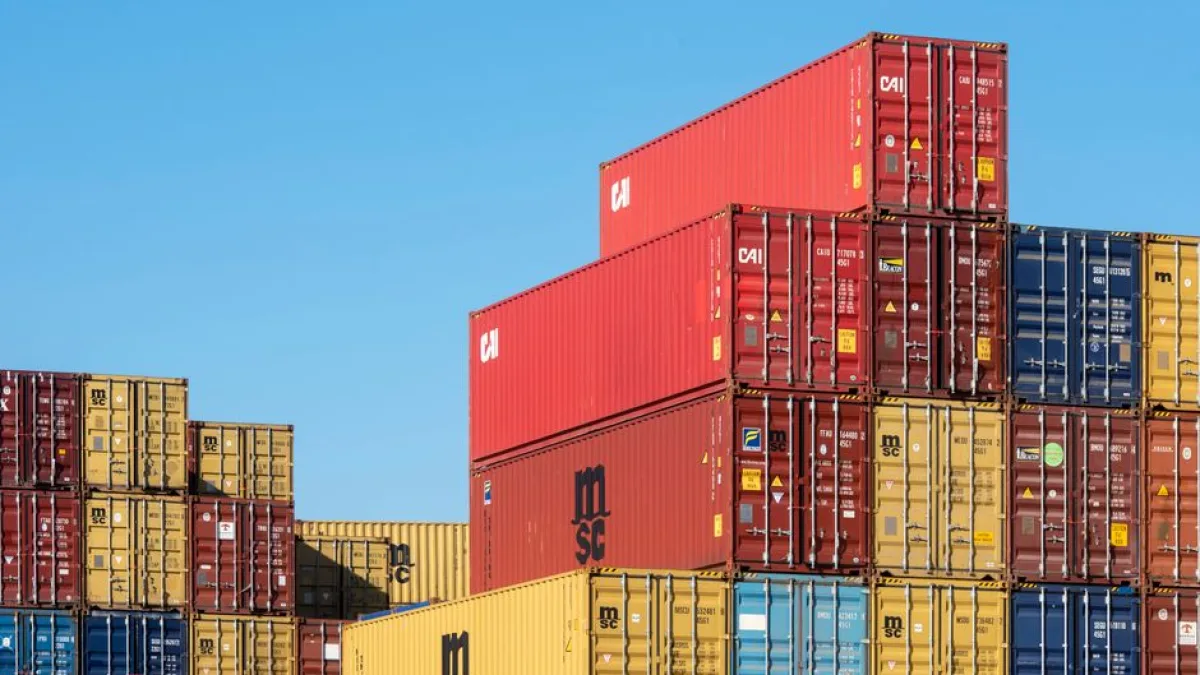
Mastering freight operations requires a commitment to digital transformation and continuous process improvement. By integrating automated documentation, real-time visibility, smart carrier management, and streamlined financial tools, your business can overcome the complexities of international trade. Embrace these technological advancements today to boost efficiency, improve client trust, and drive long-term profitability. Your journey toward a more agile and responsive freight forwarding operation starts with a single step.