Optimizing Freight Operations for Modern Forwarding Success
Sunday, September 20 2026

Freight forwarding is undergoing a massive transformation driven by the need for speed, transparency, and operational efficiency in a volatile global market. Professionals now face the dual challenge of managing complex supply chain disruptions while meeting the high expectations of modern shippers who demand real-time visibility. By leveraging cloud-based platforms, forwarders can integrate their workflows, reduce manual documentation errors, and provide a superior customer experience. Staying competitive requires a strategic approach to digitizing core processes and adopting scalable technology that grows with your business demands. Mastering these operational pillars is the key to thriving in today's landscape.
Automating Manual Documentation Processes

Manual data entry is a significant drain on productivity that often leads to costly errors and delays in your shipping cycles. By automating document processing, teams can focus on strategic tasks rather than repetitive typing and cross-referencing information between different files.
- Eliminate Data Redundancy: Automated systems pull information directly from your booking platform into bills of lading and invoices to ensure complete accuracy throughout the entire shipping lifecycle process.
- Standardize Document Formats: Implementing structured templates ensures that every document issued meets international shipping regulations and remains consistent regardless of which team member handles the specific file entry.
- Reduce Processing Time: Digital workflows automatically trigger document generation once milestones are hit, which allows your team to shave hours off daily tasks and process significantly more shipments.
- Improve Audit Readiness: Keeping all digital files in a centralized cloud repository ensures that your records are always organized and easily accessible for customs inspections or audits.
Digital transformation starts with how you handle paperwork. By removing human error from repetitive tasks, you empower your staff to focus on higher value activities like client relationship management and complex problem solving. Cloud-based platforms offer the perfect foundation to modernize your documentation workflow and provide a clear path forward for scalability as your company handles a higher volume of cargo across global borders.
Enhancing Real Time Cargo Tracking
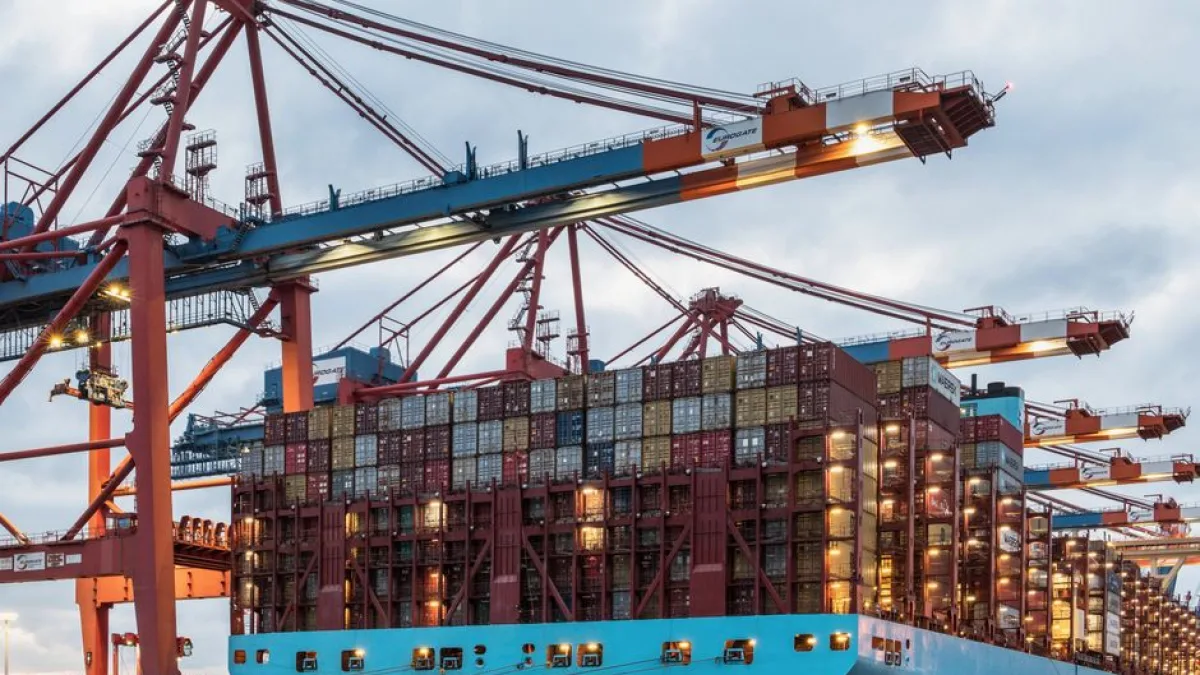
Clients expect constant visibility into their shipments from origin to final destination. Providing precise tracking updates reduces the need for manual status queries and establishes trust by keeping your customers informed about potential delays before they become major issues.
- Live Status Updates: Integration with carrier APIs allows you to feed real time location data directly into your customer portal, giving clients a clear view of their shipments.
- Proactive Exception Management: Automated alerts notify your team immediately when a vessel is delayed or a port experiences congestion, allowing you to inform customers with updated arrival projections.
- Centralized Shipment Dashboards: A single view for every container shipment enables your staff to monitor the entire supply chain progress without needing to switch between different carrier websites.
- Improved Customer Satisfaction: Transparency remains a primary driver for client loyalty in the freight industry, and providing accurate data keeps your partners satisfied and well informed daily.
Real time tracking is no longer an optional service for forwarders but a fundamental expectation of the modern shipping sector. By deploying technology that pulls data directly from logistics carriers, you eliminate the information gaps that typically cause customer frustration. This commitment to visibility distinguishes your agency from competitors and helps you build long term relationships based on reliable information and professional accountability.
Streamlining Communication Across Teams

Effective communication is the glue that holds global freight operations together, yet siloed information often leads to missteps. Centralizing correspondence within a digital platform ensures that every stakeholder has access to the latest updates without relying on long email chains.
- Unified Messaging Hubs: Keeping all shipment notes and partner communication inside the job file ensures that nothing gets lost in personal email inboxes during the busy season.
- Instant Team Notifications: Automated internal alerts keep operations staff and sales teams synchronized on file status changes, ensuring that every internal department stays aligned on current priorities.
- External Partner Integration: Secure portals allow your carriers and shippers to communicate directly on specific files, which speeds up issue resolution and reduces overall operational friction daily.
- Accessible Historical Records: Storing all correspondence inside the cloud platform means you can retrieve past conversations easily whenever you need to clarify disputes or check previous agreements.
Breaking down communication silos is essential for maintaining agility in a fast paced forwarding environment. When your team stops searching through fragmented email threads and starts using a centralized digital workspace, the speed of decision making increases significantly. This operational discipline ensures that everyone remains informed and capable of providing quick answers to clients, ultimately driving higher performance and smoother daily shipping coordination.
Leveraging Data for Strategic Decisions

Data is the most valuable asset in modern logistics, yet many forwarders fail to leverage it for growth. Analyzing operational metrics helps you identify bottlenecks in your workflow and uncover opportunities for improving profitability across your service routes and specific client portfolios.
- Performance Metric Tracking: Monitoring key KPIs like document processing times and carrier performance allows you to identify exactly where your current operations face the biggest efficiency challenges.
- Profitability Route Analysis: Detailed reporting on lane performance helps your team understand which routes offer the best margins and where you need to adjust your pricing strategy.
- Predictive Capacity Planning: Analyzing historical seasonal trends enables your managers to forecast demand more accurately and negotiate better rates with carriers before the market experiences peak pressure.
- Customized Client Reporting: Generating automated reports for your major accounts proves the value of your services while helping your clients optimize their own supply chain spending patterns.
Harnessing the power of your operational data allows you to transition from reactive management to proactive strategy. When you understand the underlying patterns of your business, you can make informed decisions that improve your bottom line and service quality. Start tracking these vital metrics today to ensure that your freight forwarding business remains resilient, competitive, and ready to tackle the challenges of tomorrow.
Conclusion

Optimizing your operations is a continuous process that demands the right digital tools and a commitment to modernizing your workflows. By focusing on automation, real time tracking, team collaboration, and data analytics, you can build a more resilient freight forwarding business. Start your journey toward greater efficiency today by evaluating your current tech stack and implementing smarter solutions that drive sustainable growth and success.