Optimizing Freight Operations for Modern Forwarding Success
Monday, September 21 2026
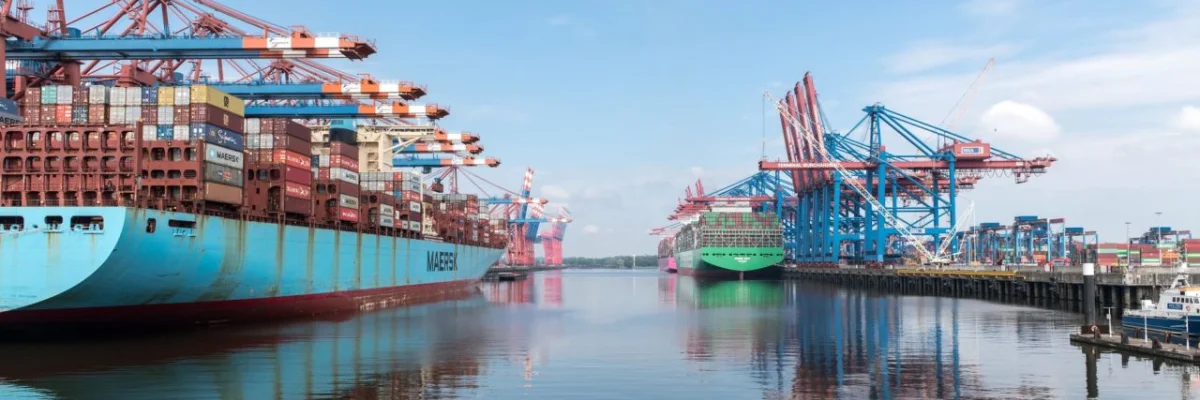
Modern freight forwarding requires a delicate balance of precision, speed, and visibility to remain competitive in a volatile global market. As supply chain complexities grow, professionals must move beyond manual processes and legacy systems that hinder growth. By leveraging cloud-based platforms and data-driven insights, forwarders can transform their operational model from reactive to proactive. This shift not only improves service reliability for shippers but also unlocks significant cost savings. Mastering these core operational pillars is essential for any logistics business aiming to scale effectively while navigating the constant pressure of rising demands and changing industry regulations.
Streamlining Documentation Workflows

Digitizing paperwork removes bottlenecks by centralizing sensitive cargo documentation in one secure cloud environment. Automation tools ensure that bills of lading, commercial invoices, and packing lists are processed without the human errors commonly associated with manual data entry tasks.
- Centralized document storage: Keeping all shipment files in a unified platform ensures that your entire team can access critical paperwork instantly without searching through endless email chains or folders.
- Automated form generation: Smart software solutions automatically populate templates using existing shipment data, which significantly reduces the time spent on repetitive tasks and minimizes costly administrative mistakes daily.
- Enhanced compliance tracking: Automated systems flag missing information or regulatory gaps immediately, allowing your operations team to resolve issues before they escalate into major port delays or penalties.
- Secure cloud access: Protecting your client data with enterprise grade security measures ensures that sensitive information remains safe while allowing for seamless collaboration across different global office locations.
Adopting a digital-first approach to documentation is the foundation of a modern operation. When your team spends less time handling paper and more time managing exceptions, customer satisfaction levels naturally rise. This transition reduces physical clutter while creating a searchable, audit-ready database for every shipment. Investing in these digital tools today will ensure your logistics business remains resilient against future industry-wide disruptions and surges.
Enhancing Real-time Shipment Visibility

Visibility is the backbone of trust in modern logistics. Clients demand to know exactly where their cargo is at any moment, and providing this level of insight is now a baseline expectation rather than a premium service offering today.
- Integrated tracking APIs: Connecting your platform directly with ocean and air carriers provides live location data, ensuring that your clients receive the most accurate status updates available globally.
- Proactive milestone alerts: Automated notifications keep stakeholders informed about key events like port arrival or departure, which effectively prevents the flood of manual inquiry emails into your office.
- Exception management tools: Advanced software identifies delays early, allowing your team to communicate transparently with clients and provide alternative logistics solutions before the situation impacts their supply chains.
- Interactive client dashboards: Providing customers with a branded portal allows them to track shipments independently, freeing your staff to focus on higher value tasks instead of status updates.
Superior visibility sets your brand apart in a crowded marketplace. When you provide accurate, real-time data, you empower clients to make informed decisions about their own inventories. This level of transparency fosters long-term partnerships built on reliability. By removing the guesswork from logistics, you move away from frantic status checks and toward a sophisticated service model that prioritizes proactive and clear communication.
Optimizing Carrier Rate Management

Effective rate management requires constant vigilance in a market where pricing changes hourly. Managing spot rates against contract agreements is complex, but leveraging specialized software makes it possible to maintain margins while offering competitive pricing to your valued customers.
- Automated rate comparison: Quickly compare multiple carrier quotes side-by-side to identify the most cost-effective routing options, ensuring that you always provide the best possible price to your clients.
- Dynamic contract tracking: Centralizing all carrier contracts helps your team avoid overpaying on shipments while ensuring you maximize the volume-based discounts negotiated for your high-traffic trade lanes.
- Instant quote generation: Providing rapid, accurate quotes to prospective clients increases your conversion rate significantly, as shippers appreciate the speed and precision that modern cloud platforms provide daily.
- Market trend analysis: Utilizing built-in analytics tools helps you identify pricing patterns over time, allowing your business to make data-backed decisions when negotiating new carrier service agreements.
Staying ahead of rate volatility is the primary challenge for profitable freight forwarding. When you utilize digital tools to manage complex pricing structures, you eliminate the risk of human error in quoting. This consistency builds client trust and protects your bottom line margins. Developing a disciplined approach to rate management ensures that your logistics business stays profitable regardless of how global market conditions fluctuate.
Building Scalable Operational Processes

Scalability is only possible when your internal processes are standardized and repeatable. As you grow, having a robust cloud platform ensures that new employees are onboarded quickly and that service quality remains high across every single department.
- Standardized operating procedures: Defining clear digital workflows ensures that every shipment follows the same high-quality protocol, which reduces inconsistency and prepares your company for sustainable long-term growth.
- Cross-departmental collaboration: Enabling seamless communication between sales, operations, and accounting departments prevents information silos and keeps everyone aligned on the specific needs of every unique client account.
- Reporting and analytics: Gaining deep insights into your operational performance allows you to identify which routes or services drive the most value for your specific business model.
- Modular software expansion: Choosing a scalable platform allows you to add features as your business grows, ensuring your technology stack evolves alongside your specific logistics service requirements.
True scalability happens when technology handles the heavy lifting of routine operations. By systematizing your workflows, you create a business that can handle increased volume without sacrificing attention to detail. This stability allows you to focus on strategy and market expansion rather than internal chaos. Build your foundations with the right software today to ensure your company is ready for tomorrow's industry challenges.
Conclusion
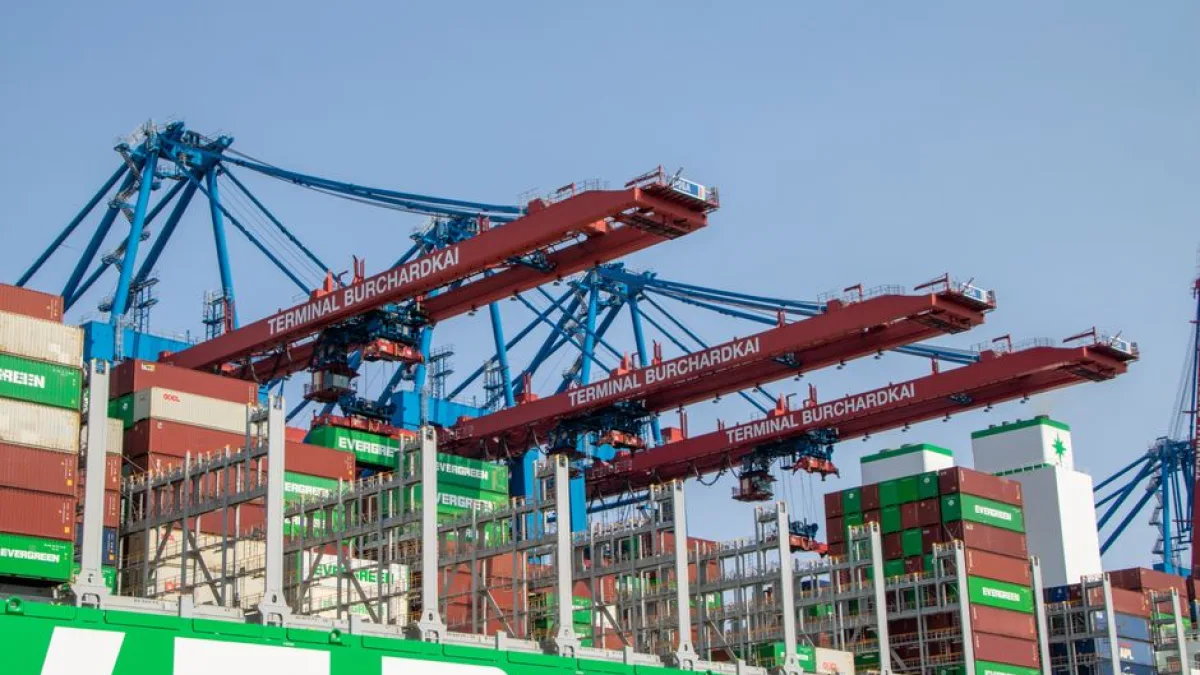
Transforming your freight operations requires a commitment to digital tools and process refinement. By streamlining documentation, improving visibility, mastering rate management, and focusing on scalability, your business will gain a distinct competitive advantage. Now is the time to audit your current workflows and integrate cloud-based solutions. Implementing these changes will drive efficiency, increase your margins, and position your company as a leader in global logistics.