Optimizing Freight Operations for Modern Forwarding Success
Sunday, October 4 2026

Modern freight forwarding requires a delicate balance between rapid logistical execution and precise administrative management. As global supply chains grow increasingly complex, professionals must leverage advanced cloud-based technologies to remain competitive and efficient. By focusing on workflow automation, transparent communication, and data-driven decision making, forwarders can successfully navigate the challenges of capacity constraints and fluctuating market rates. Adopting a proactive stance toward digital transformation ensures that your operations remain resilient against unforeseen disruptions while simultaneously delivering superior service to your clients. This guide explores essential practices to elevate your daily operations and secure long-term growth within the international logistics industry.
Streamlining Documentation Workflows

Efficient documentation management is the backbone of successful freight operations. By centralizing digital records and reducing reliance on manual data entry, teams can significantly minimize costly errors and accelerate the processing speed of critical international shipping documents for every client shipment.
- Centralized Digital Storage: Maintain a secure cloud repository where every shipping document is instantly accessible, ensuring that your team can retrieve files without wasting time searching through endless physical archives.
- Automated Data Capture: Utilize optical character recognition software to extract information from invoices and packing lists automatically, which drastically reduces the likelihood of human error during manual input tasks.
- Standardized Compliance Templates: Create uniform templates for standard declarations to ensure that every shipment meets regulatory requirements, thereby avoiding unnecessary customs delays and potential penalties for your valued customers.
- Real-time Version Control: Implement systems that track changes to documentation, ensuring that all stakeholders are viewing the most current version of a file during the critical shipping process.
- Enhanced Document Security: Apply robust encryption and access controls to sensitive client information, protecting your business from potential data breaches while maintaining high levels of professional confidentiality protocols.
Transitioning toward a fully digitized documentation workflow allows your team to focus on high-value tasks rather than repetitive administrative chores. By investing in scalable technology, you eliminate bottlenecks that often plague traditional shipping offices. These improvements directly translate into faster turnaround times and happier clients who appreciate your commitment to precision. Consistent documentation management creates a reliable foundation for scaling your logistics operations effectively and profitably.
Enhancing Carrier Collaboration
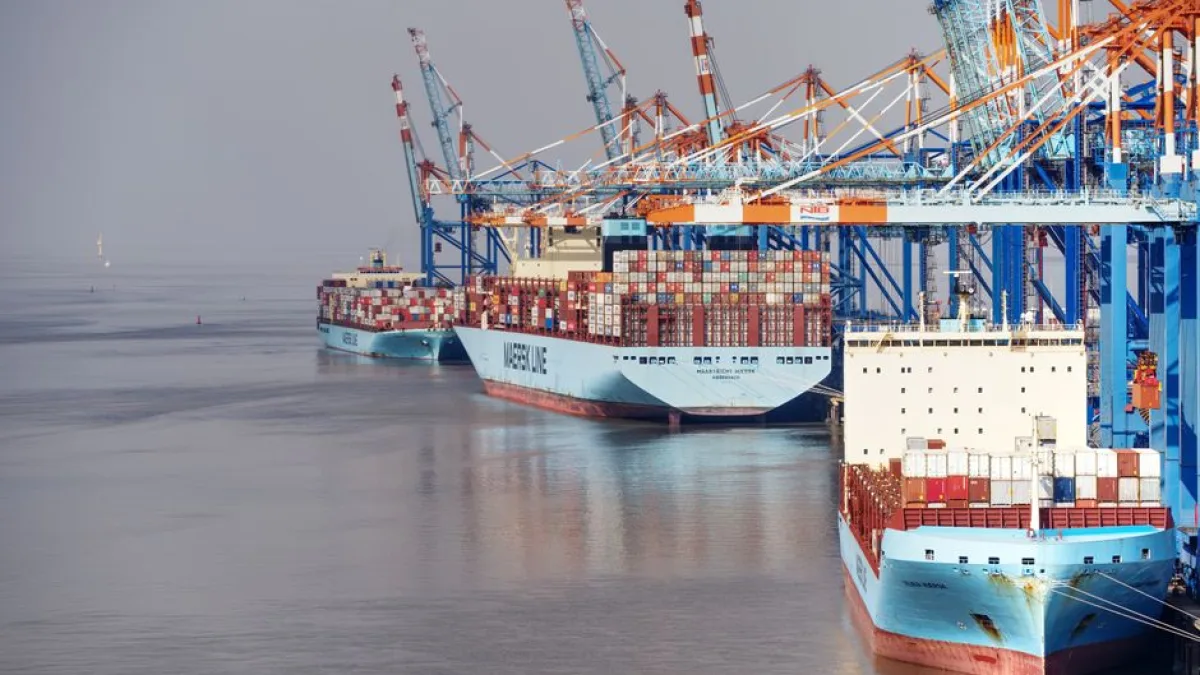
Strong partnerships with carriers are essential for securing reliable space during peak seasons. Effective communication and transparent data sharing foster trust, allowing forwarders to negotiate better rates and obtain priority status when capacity becomes extremely tight across major trade lanes.
- Strategic Carrier Partnerships: Cultivate long-term relationships with key shipping lines by providing accurate volume forecasts, which helps carriers plan their own capacity and prioritizes your cargo during peak periods.
- Transparent Rate Management: Use digital platforms to compare real-time freight rates across multiple carriers, ensuring that you always offer your customers the most cost-effective and efficient shipping routes available.
- Automated Tracking Updates: Integrate your software with carrier systems to receive automatic status updates, keeping your customers informed without needing to call or email providers for basic information.
- Performance Metric Tracking: Monitor carrier performance metrics including transit times and reliability, which allows you to make informed decisions when selecting partners for future time-sensitive client projects.
- Unified Communication Channels: Consolidate all carrier interactions into a single platform to prevent vital messages from being lost in email chains, ensuring that every detail is documented and managed.
Fostering deep, data-driven relationships with your carriers creates a mutually beneficial environment that thrives during market volatility. When you prioritize transparency, carriers are more likely to support your needs during capacity crunches. This collaborative approach stabilizes your supply chain and improves the overall quality of service you provide. Investing time in your network today pays significant dividends in reliability and profitability tomorrow.
Leveraging Real-time Cargo Visibility

Real-time visibility is no longer a luxury but a fundamental expectation in logistics. Providing clients with live tracking capabilities builds immense trust and allows your operational team to manage exceptions proactively before they impact the final delivery schedule for customers.
- Live Tracking Integration: Connect your platform with real-time tracking providers to give clients instant access to their cargo status, significantly reducing the volume of inbound inquiries to your support team.
- Proactive Exception Alerts: Configure automated alerts that notify your team the moment a shipment deviates from its planned schedule, enabling quick intervention to mitigate further delays or cargo issues.
- Client Portal Access: Empower your customers with a secure portal where they can monitor their shipments independently, creating a professional experience that adds value to your service offerings.
- Accurate Arrival Predictions: Use predictive analytics to provide clients with precise estimated arrival times based on historical data and weather patterns, helping them manage their own inventory more effectively.
- Visual Data Dashboards: Implement intuitive dashboards that aggregate shipment data, allowing you to identify trends or recurring problems across specific trade lanes or regions in your logistical network.
Visibility serves as the ultimate differentiator in a crowded freight forwarding market. When you empower clients with accurate data, you reduce anxiety and increase loyalty. By addressing potential issues before they escalate, your team demonstrates proactive management that clients truly value. This strategic use of information transforms your relationship with customers from a standard vendor interaction into a partnership based on data-driven reliability.
Optimizing Internal Team Coordination

Internal efficiency relies on how well your team collaborates on complex shipping tasks. By fostering an environment where information flows freely and roles are clearly defined, forwarders can handle increased shipment volumes without compromising the quality of their client interactions.
- Clear Role Assignment: Define specific responsibilities for every team member involved in the shipment lifecycle to avoid overlapping efforts and ensure that no critical tasks are missed by staff.
- Shared Task Management: Use collaborative task management tools to assign deadlines and track progress, ensuring that every member knows their current priorities and is working toward goals.
- Regular Knowledge Sharing: Conduct weekly meetings to discuss recent challenges and successes, which helps team members learn from each other and adopt better practices for handling unique shipments.
- Automated Internal Notifications: Set up internal triggers that notify relevant departments when a shipment status changes, ensuring that billing, sales, and operations remain perfectly aligned at all times.
- Performance Goal Alignment: Set clear performance indicators for your team that align with company growth objectives, which keeps everyone motivated and focused on achieving high-quality service standards daily.
Successful internal coordination creates a cohesive team capable of tackling the toughest logistical hurdles. When every employee understands their role and has access to the right tools, operational speed increases significantly. Reducing internal friction allows your staff to dedicate more energy to solving client problems and growing the business. A highly organized team is the most effective asset in any successful freight forwarding company.
Conclusion

Modernizing your freight forwarding operations is essential for sustained success in today's digital environment. By focusing on documentation, collaboration, visibility, and teamwork, you build a foundation for growth. Implement these best practices to improve efficiency and client satisfaction. Explore the MakeCargo platform today to see how our cloud-based software can help you automate these critical tasks and scale your business operations effectively.