Optimizing Freight Operations for Modern Forwarding Success
Thursday, October 8 2026
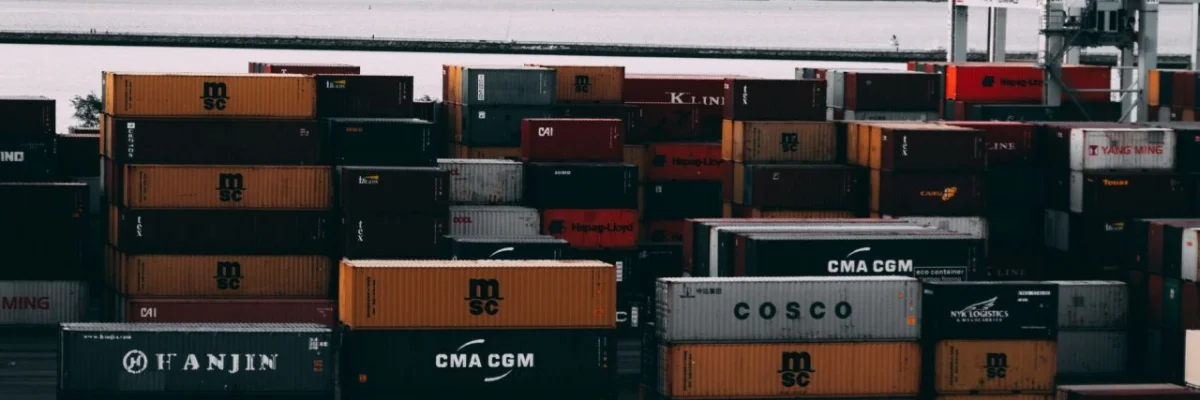
Freight forwarding is undergoing a massive transformation driven by digitalization and the need for greater transparency across global supply chains. As professional forwarders navigate complex logistics landscapes, the ability to centralize data and automate repetitive tasks becomes a critical competitive advantage. Efficiency is no longer just about moving cargo from point A to point B but about providing seamless visibility and value-added services to every client. By embracing cloud-based technologies and refined operational workflows, forwarders can significantly reduce manual errors, accelerate document processing times, and foster stronger relationships with carriers and stakeholders throughout the complex international shipping process.
Digitizing Documentation Workflows
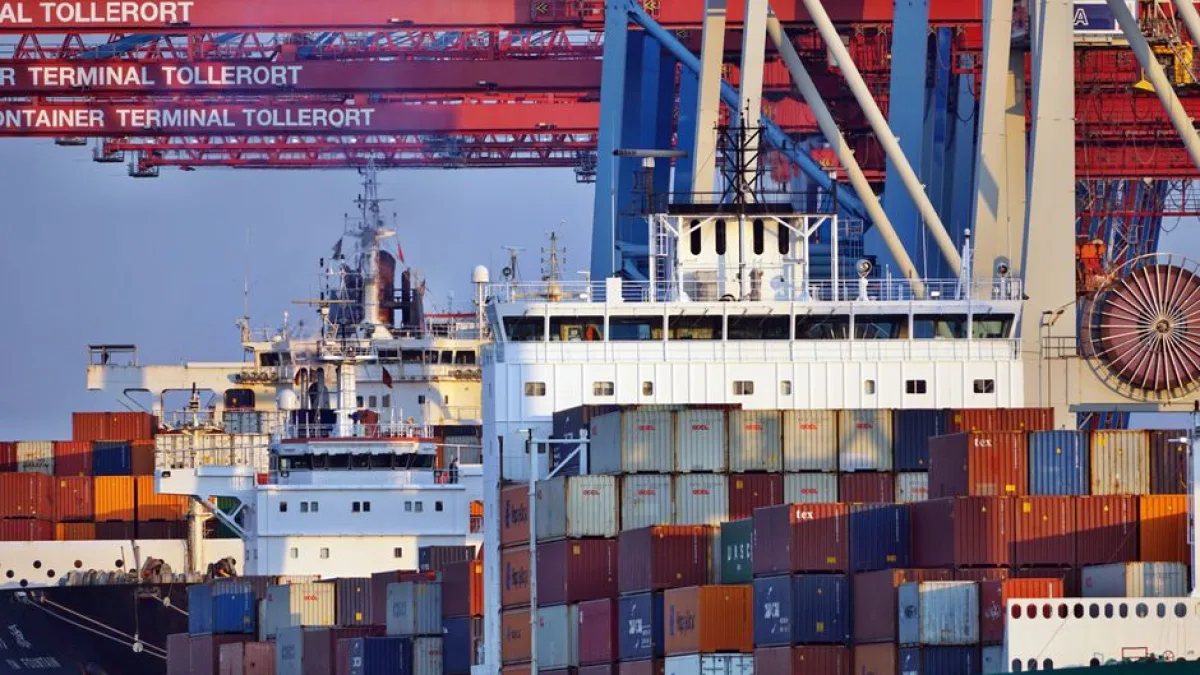
Digital transformation begins by moving away from paper-heavy processes toward automated document management systems. This shift reduces the risk of human error while ensuring that customs brokers and shippers have instant access to essential files from anywhere in the world.
- Automated Data Entry: Implement optical character recognition tools to extract data from bills of lading automatically, reducing manual input time and eliminating costly transcription errors for your logistics team.
- Centralized Cloud Storage: Maintain a single source of truth by storing all shipping documents in a secure cloud repository, ensuring that every team member accesses the latest version.
- Real-time Validation Checks: Utilize software features that automatically flag missing information or inconsistent data fields before documents are submitted to customs authorities for final clearance and processing.
- Instant Client Sharing: Provide secure portals for your customers to retrieve their own documentation, which drastically lowers email volume and boosts client satisfaction by giving them full control.
Adopting a digital-first approach to documentation transforms how your team manages heavy workloads. By automating routine administrative tasks, you allow your staff to focus on strategic client growth rather than chasing paper trails. This shift not only accelerates overall shipment velocity but also enhances the accuracy of compliance reporting. Modern forwarders who prioritize these digital workflows remain resilient during periods of high market volatility.
Enhancing Shipment Tracking Visibility

Customers today expect real-time updates regarding their shipment status without needing to ask. Providing granular visibility helps build trust and allows forwarders to proactively manage potential delays before they escalate into major operational hurdles or costly client service issues.
- Proactive Milestone Alerts: Configure automated email or SMS notifications that keep your customers updated on key milestones throughout the transit process, reducing the need for constant status requests.
- Integrated Carrier APIs: Connect your freight platform directly to carrier systems to pull accurate tracking data, ensuring that your dashboard reflects the absolute latest status for every cargo.
- Dynamic Mapping Dashboards: Use visual maps to show the progress of shipments across global routes, giving your clients a clear understanding of their cargo location at any moment.
- Exception Management Tools: Set up automated triggers that notify your operations team immediately when a shipment deviates from the schedule, allowing for rapid intervention and clear client communication.
Exceptional transparency is a major differentiator in the crowded freight forwarding market. When you consistently deliver accurate and timely information, you position your firm as a reliable partner capable of navigating global supply chain disruptions. This level of service justifies premium pricing and encourages long-term retention. Investing in visibility tools is essential for maintaining a positive brand reputation in modern logistics.
Streamlining Carrier Communication

Managing multiple carriers requires efficient communication channels to ensure that capacity is booked and confirmed without delays. Centralizing your interactions within a single platform prevents critical messages from being lost in overflowing email inboxes and speeds up operational coordination.
- Unified Messaging Hubs: Keep all carrier negotiations and booking confirmations inside one centralized system to ensure that your entire operations team has full context for every shipment.
- Automated Booking Requests: Standardize your booking forms and send them electronically to carriers, which minimizes misunderstandings and speeds up the confirmation time for critical freight shipments today.
- Rate Comparison Portals: Use integrated tools to compare carrier pricing and transit times in a single view, enabling your team to select the most efficient route every time.
- Performance Analytics Dashboards: Track carrier reliability metrics such as on-time performance and documentation accuracy, helping you make informed decisions when selecting partners for your future logistics operations.
Effective communication is the backbone of successful freight operations. By streamlining how your team interacts with carriers, you remove communication silos and reduce the risk of booking errors. This cohesive approach enables faster responses to client inquiries and improves your overall negotiating leverage. When your operations team communicates with clarity and speed, your entire freight forwarding business becomes significantly more agile and professional.
Scaling Through Operational Automation

Automation is the key to scaling your freight forwarding business without increasing headcount linearly. By leveraging cloud-based software, you can handle higher shipment volumes while maintaining high quality standards and reducing your overall operational costs per individual shipment processed.
- Workflow Trigger Automation: Configure system workflows to handle routine tasks, such as generating arrival notices or invoicing clients, as soon as a shipment status reaches specific milestones locally.
- Intelligent Task Routing: Assign incoming tasks automatically to the appropriate staff member based on their expertise or current capacity, ensuring that no request is overlooked during busy periods.
- Automated Financial Integration: Sync your freight software directly with your accounting systems to ensure that billing, profit calculations, and vendor payments are accurate and updated in real time.
- Scalable Cloud Infrastructure: Choose a software platform that grows with your business needs, allowing you to add new branches or international locations without complex technical overhead or server.
Scaling your operations effectively requires a commitment to continuous improvement and technological investment. Automation empowers your employees to work smarter by focusing on high-value tasks that drive revenue rather than mundane operational chores. As your freight volume increases, your automated processes will ensure that service quality remains consistent and overhead remains controlled. This strategy is essential for achieving long-term profitability in global logistics.
Conclusion
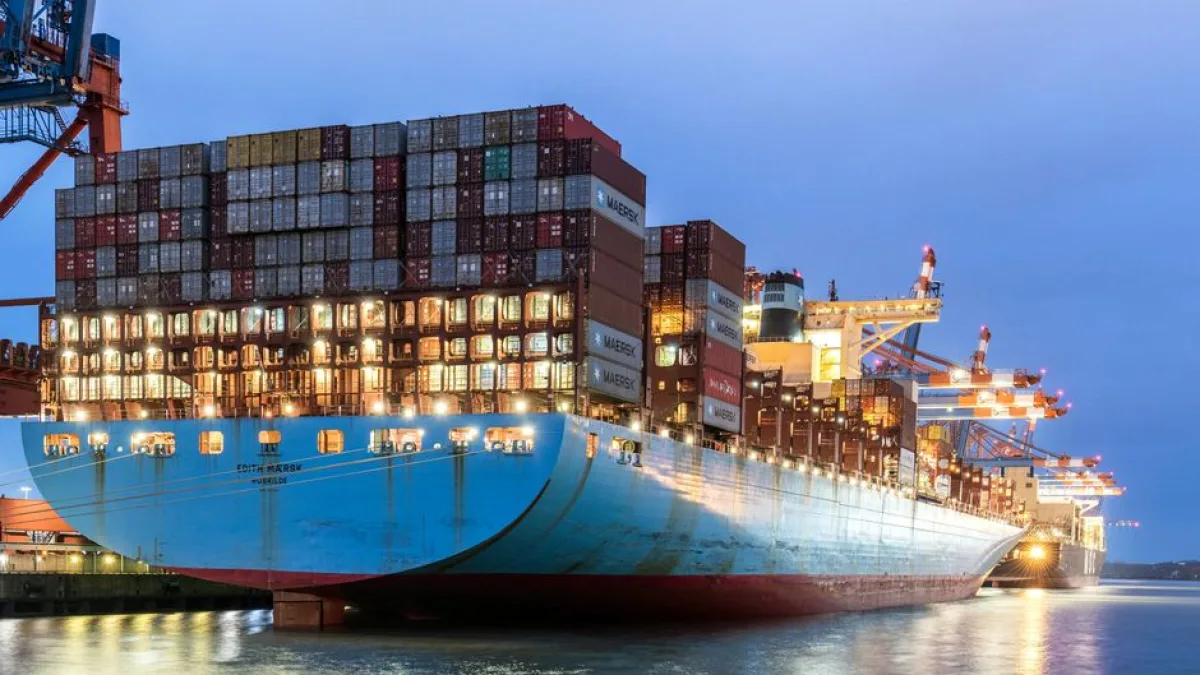
Optimizing your freight operations requires a combination of smart technology and disciplined workflow management. By focusing on digitalization, real-time visibility, clear communication, and automation, you create a robust foundation for growth. Implement these strategies today to elevate your service quality and operational efficiency. Contact the MakeCargo team to discover how our cloud-based platform can transform your forwarding business into a modern market leader.