Optimizing Freight Operations for Modern Forwarding Success
Saturday, October 17 2026

In the rapidly evolving world of global logistics, freight forwarders face unprecedented pressure to increase efficiency while maintaining low costs. Manual processes and siloed data systems often hinder the ability to scale, creating bottlenecks that impact customer satisfaction and profitability. By embracing cloud-based technologies and centralized management systems, forwarders can transform their operational landscape into a competitive advantage. This article explores essential strategies for streamlining complex freight workflows, reducing error rates in documentation, and leveraging data to drive smarter decision-making. Adopting these modern methodologies is no longer optional for businesses striving to remain relevant and effective in a fast-paced market.
Digitizing Documentation Workflows

Transitioning from paper-heavy workflows to digital platforms significantly reduces the risk of human error and processing delays. When logistics professionals digitize their documentation, they gain the ability to search, share, and track critical shipping manifests with unprecedented speed and accuracy.
- Centralized Document Storage: Secure cloud storage provides a single source of truth for all shipping documents, ensuring that every team member accesses the most current version of critical files.
- Automated Data Entry: Intelligent software tools extract information directly from bills of lading or invoices, eliminating the tedious manual typing that often leads to costly administrative mistakes.
- Real-Time Collaboration: Team members can edit and approve documents simultaneously from any location, fostering seamless communication between sales staff, warehouse managers, and international customs broker teams.
- Secure Access Control: Role-based permissions protect sensitive client information by ensuring that only authorized personnel can view or modify specific cargo data within the company database.
By shifting to digital documentation, freight forwarders eliminate the reliance on physical courier services and redundant email threads that slow down global operations. This transition allows staff to focus on high-value tasks such as exception management and client relationship building instead of chasing down missing paperwork. Digital systems provide the backbone for a scalable business model that supports growth without requiring proportional increases in administrative headcount.
Enhancing Shipment Visibility
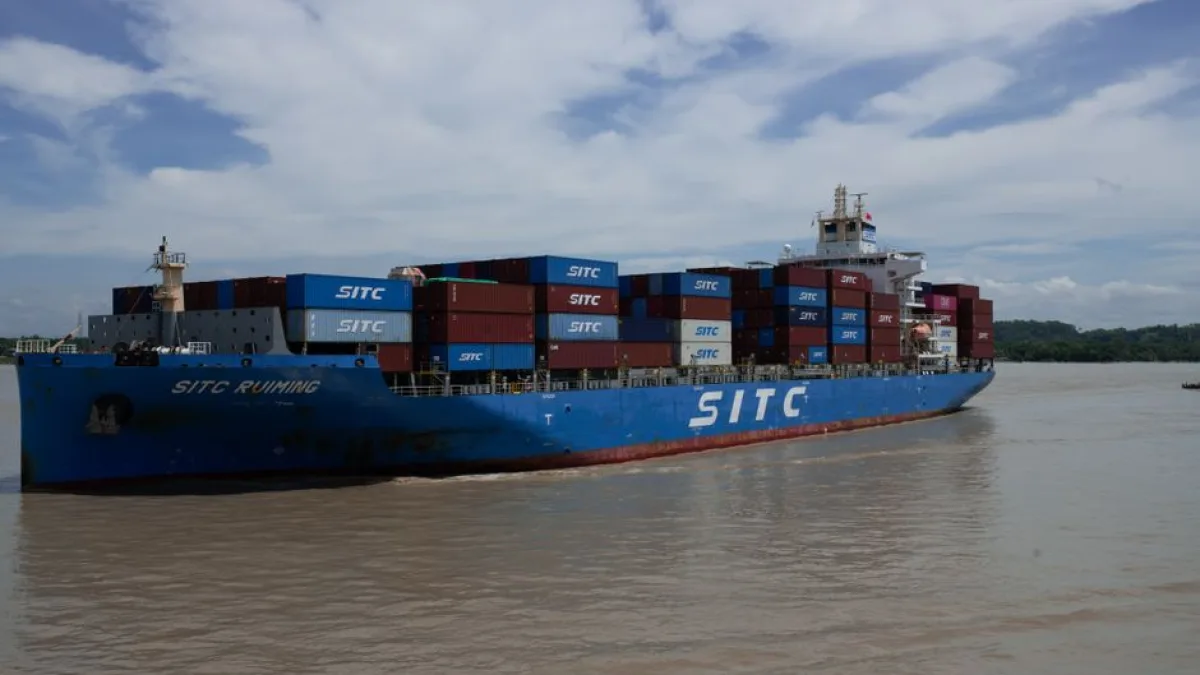
Visibility is the primary driver of customer trust in the freight industry, and modern tracking solutions are essential for providing clients with accurate updates. Integrating live data feeds helps forwarders proactively manage expectations and mitigate the impact of unforeseen supply chain disruptions.
- Live Tracking Integration: Connecting directly with shipping lines and air carriers allows you to feed real-time location data into your internal dashboard for immediate stakeholder awareness.
- Proactive Exception Alerts: Automated notifications alert your team immediately when a shipment deviates from its planned schedule, allowing for rapid intervention before client deadlines are compromised.
- Customer Reporting Portals: Providing a branded web portal for clients empowers them to self-serve tracking updates, significantly reducing the volume of inbound status inquiry phone calls.
- Predictive Arrival Estimates: Machine learning algorithms analyze historical route data to offer more accurate arrival windows, improving the reliability of your client delivery promises across regions.
Comprehensive visibility does more than just appease frustrated customers; it transforms your operational responsiveness to changing logistics conditions. When your team sees exactly where cargo resides at any moment, they can pivot resources to address potential issues before they escalate into full-scale shipping disasters. This level of clarity establishes your brand as a professional leader that clients can rely on for consistency.
Optimizing Freight Cost Management
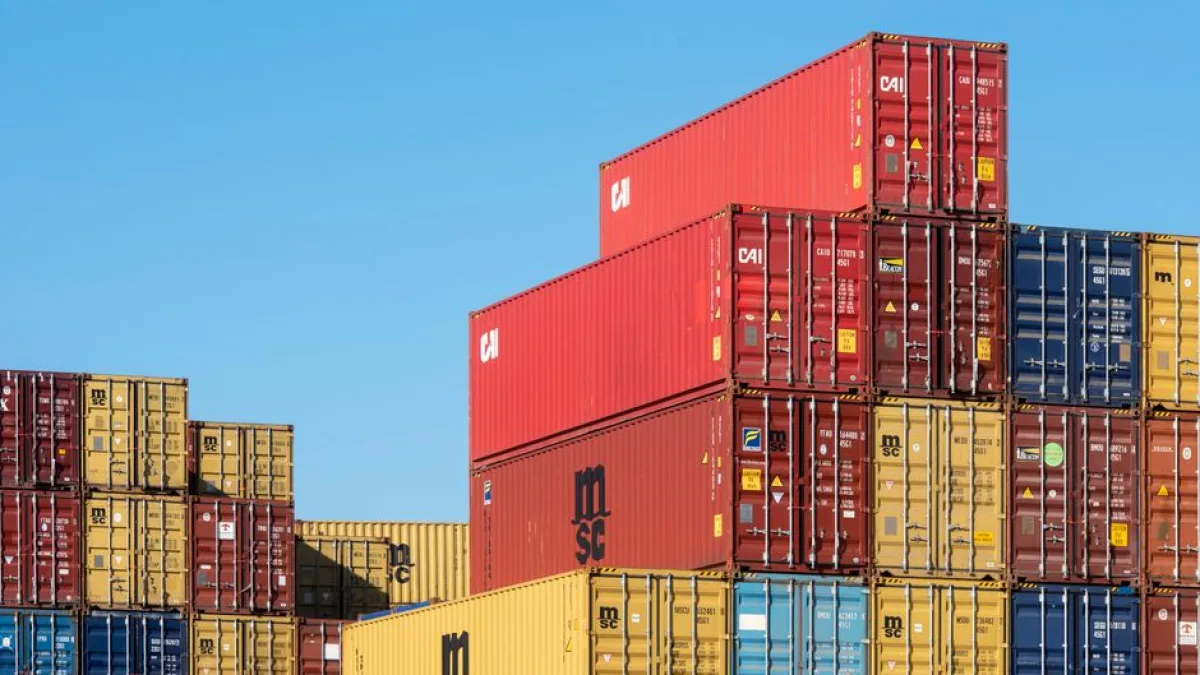
Managing costs effectively requires a granular understanding of every expense item within your freight operation. Utilizing cloud-based software enables firms to track spending, compare carrier rates, and identify cost-saving opportunities that might otherwise remain hidden in disparate spreadsheets and reports.
- Dynamic Rate Management: Centralizing carrier contracts allows your team to compare multiple quotes instantly, ensuring that you select the most cost-effective routing for every specific shipment.
- Profitability Analytics Tools: Detailed reports track the true margin of each freight movement, accounting for fuel surcharges, terminal fees, and administrative overheads to maximize total profit.
- Automated Invoice Audits: Digital systems automatically cross-reference incoming carrier invoices against original shipping quotes, flagging discrepancies to prevent overpayment and ensure accurate billing for your customers.
- Vendor Performance Metrics: Regular assessment of carrier performance helps you negotiate better future rates and identify which partners provide the best value for your logistics network.
Taking full control of your cost structures provides the financial flexibility necessary to survive the volatile swings inherent in global freight markets. When you monitor financial data through a centralized platform, you turn raw numbers into actionable business insights that protect your bottom line. These optimized financial practices create a stable environment where your company can invest in new markets or expanded logistics capabilities.
Automating Compliance and Reporting

Staying compliant with international shipping regulations is a massive challenge, but automation tools can simplify the process of filing reports and verifying customs data. By embedding compliance checks into your standard workflows, you significantly reduce the risk of fines and shipment seizures.
- Automated Regulatory Updates: Modern software platforms automatically push updates regarding international trade laws and customs requirements to ensure your documentation remains accurate at all times.
- Digital Customs Filing: Direct integration with government portals enables rapid filing of import and export entries, cutting down the time spent manually navigating complex regulatory systems.
- Comprehensive Audit Trails: Detailed logging of every transaction and communication provides an ironclad audit trail that protects your company during random inspections or mandatory regulatory audits.
- Error Detection Logic: Built-in validation rules block shipments with incomplete or inaccurate data, forcing corrections before the cargo ever leaves the origin warehouse or port facility.
Automated compliance serves as your company safeguard, shielding you from the devastating financial impact of regulatory errors or non-compliant documentation practices. By standardizing these essential procedures, you ensure that every shipment meets legal standards regardless of the origin or destination. This rigorous approach builds long-term industry credibility and positions your freight forwarding business as a trusted entity for complex international logistics projects.
Conclusion
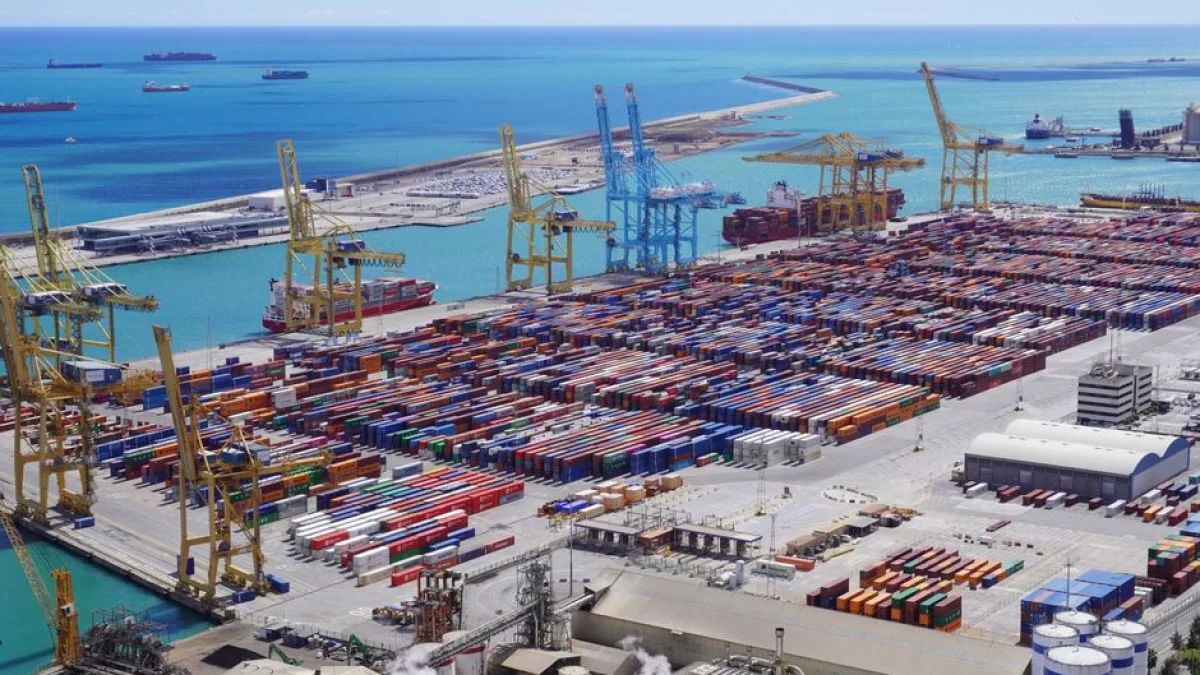
Modernizing your freight operations requires a strategic commitment to digital integration, improved visibility, and rigorous cost management. By implementing the solutions outlined above, your team can eliminate manual bottlenecks and focus on delivering exceptional value to your global clients. Start your digital transformation today to ensure that your freight forwarding business remains resilient, efficient, and ready to navigate the future of global commerce.