Optimizing Freight Operations for Modern Forwarding Success
Sunday, November 1 2026
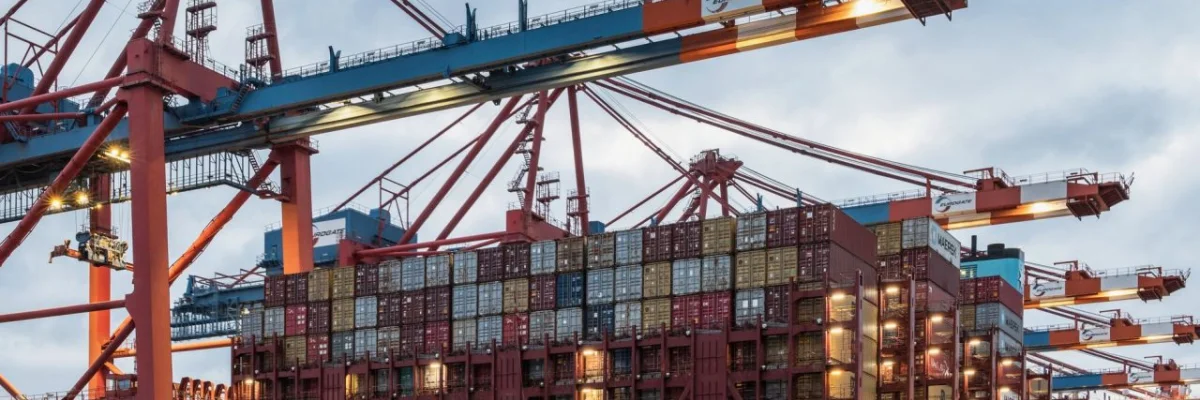
In the rapidly evolving landscape of global logistics, freight forwarders face unprecedented pressure to increase efficiency while maintaining service quality. As supply chains grow more complex, the reliance on manual spreadsheets and disconnected communication channels becomes a significant operational bottleneck. Transitioning to cloud-based platforms allows forwarders to centralize documentation, track shipments in real-time, and collaborate seamlessly with global partners. By embracing digital transformation, businesses can reduce human error, minimize administrative delays, and ultimately provide a superior experience to shippers who demand transparency and speed in today's competitive environment. This evolution is no longer optional for firms aiming to scale effectively.
Digitizing Documentation Workflows

Streamlining the flow of documents is essential for maintaining operational agility during transit. By converting physical bills of lading and commercial invoices into digital formats, teams can eliminate redundant data entry and ensure that every stakeholder has instant access to critical updates.
- Automated Data Extraction: Advanced software tools utilize optical character recognition to pull vital shipping details from documents automatically, reducing manual input errors and significantly accelerating the processing time for customs compliance.
- Centralized Document Repository: Keeping all shipment files in a secure cloud database ensures that team members can locate specific records instantly without digging through disorganized email threads or physical folders.
- Version Control Management: Digital platforms maintain a clear history of edits to critical files, preventing confusion between teams regarding which document version is the most current and legally valid.
- Secure Cloud Sharing: Sending sensitive shipping documents through encrypted portals minimizes the risk of data leaks while ensuring that agents and carriers receive necessary information without complex file transfers.
Adopting digital document systems fundamentally alters how teams handle daily tasks by providing a single source of truth for every cargo shipment. When staff members stop chasing paper and start utilizing centralized dashboards, they regain valuable time that can be better spent on complex problem-solving. This shift to digital workflows reduces the overhead costs associated with administrative burdens and supports faster decision-making across the entire logistics network.
Real-Time Shipment Visibility
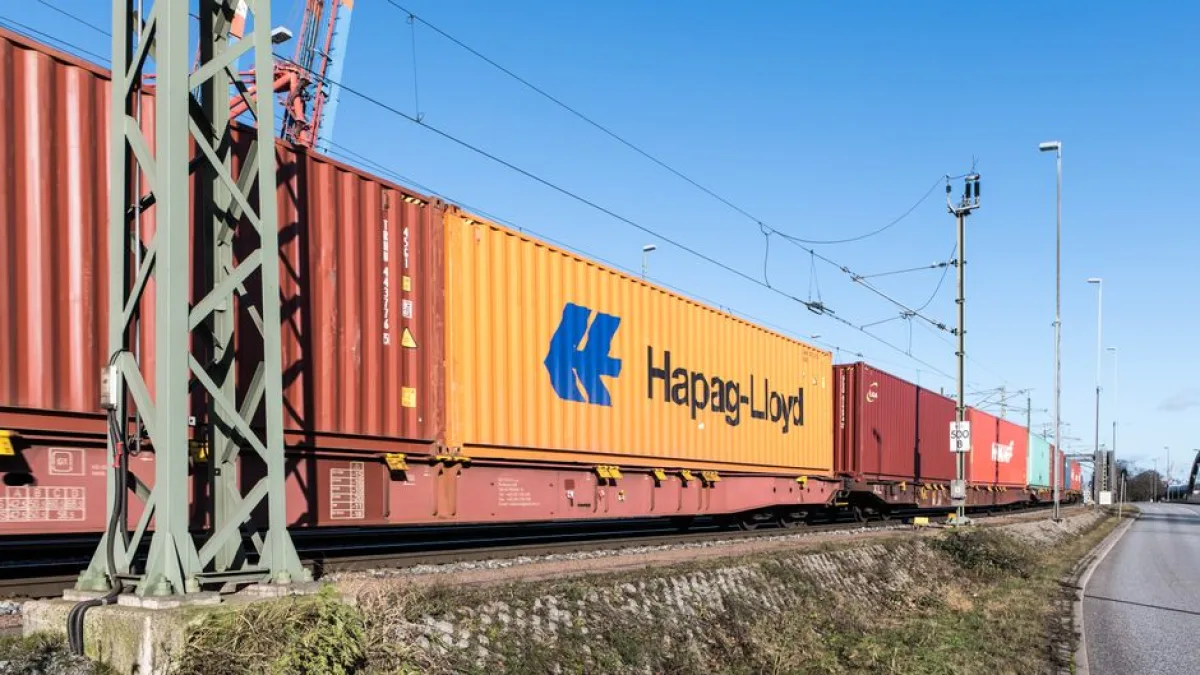
Transparency is the foundation of modern client relationships in logistics. Providing customers with accurate, real-time updates regarding the exact location of their freight builds trust and reduces the volume of status inquiries that occupy your customer service department.
- Live Tracking Integration: Connecting your freight platform directly with carrier APIs enables automatic updates that keep your team and clients informed about vessel locations and potential port congestion delays.
- Automated Status Alerts: Proactive notifications sent to customers when shipments reach key milestones demonstrate high service levels and reduce the need for constant manual updates or telephone follow-ups.
- Customized Client Portals: Giving your shippers access to a branded digital portal allows them to check shipment progress independently, which drastically lowers your operational load and improves satisfaction.
- Exception Management Alerts: Setting up automated triggers for unexpected delays or route changes helps operations teams intervene quickly to find alternative solutions before the client even realizes a problem.
Visibility serves as a powerful competitive advantage that sets top-tier forwarders apart from their slower peers. By leveraging automated tracking data, you transform your customer support approach from reactive to proactive. Clients appreciate knowing exactly where their goods are at all times, leading to long-term partnerships and repeat business. Embracing these visibility tools ensures that your operations remain resilient even during global supply chain disruptions.
Improving Partner Collaboration

Logistics is inherently collaborative, yet many teams struggle with fragmented communication. Establishing a unified platform where global agents, trucking carriers, and warehouse staff can interact in real-time prevents information silos and ensures that everyone follows the same operational plan.
- Unified Communication Hub: Replacing internal email chains with task-specific message boards ensures that shipment instructions are clearly documented and accessible to every person involved in the freight movement process.
- Task Assignment Features: Using built-in task management tools allows operations managers to delegate responsibilities clearly, ensuring that no critical milestones or deadlines are overlooked during the shipping cycle.
- Shared Operational Dashboards: Providing partners with access to specific data sets enables smoother coordination between origin and destination offices, ensuring that complex transit requirements are clearly understood by everyone.
- Performance Metric Tracking: Monitoring partner performance through shared data helps you identify bottlenecks or service gaps quickly, allowing you to optimize your vendor network for better efficiency.
Effective collaboration is the hidden engine that drives high-performing freight operations forward. When your team and your global partners share a digital workspace, the chance of misunderstanding instructions drops significantly. This synchronized approach leads to smoother transitions at transshipment points and better overall service consistency. Strengthening these connections through technology builds a more robust operation that can handle increased cargo volumes without sacrificing quality.
Leveraging Advanced Analytics
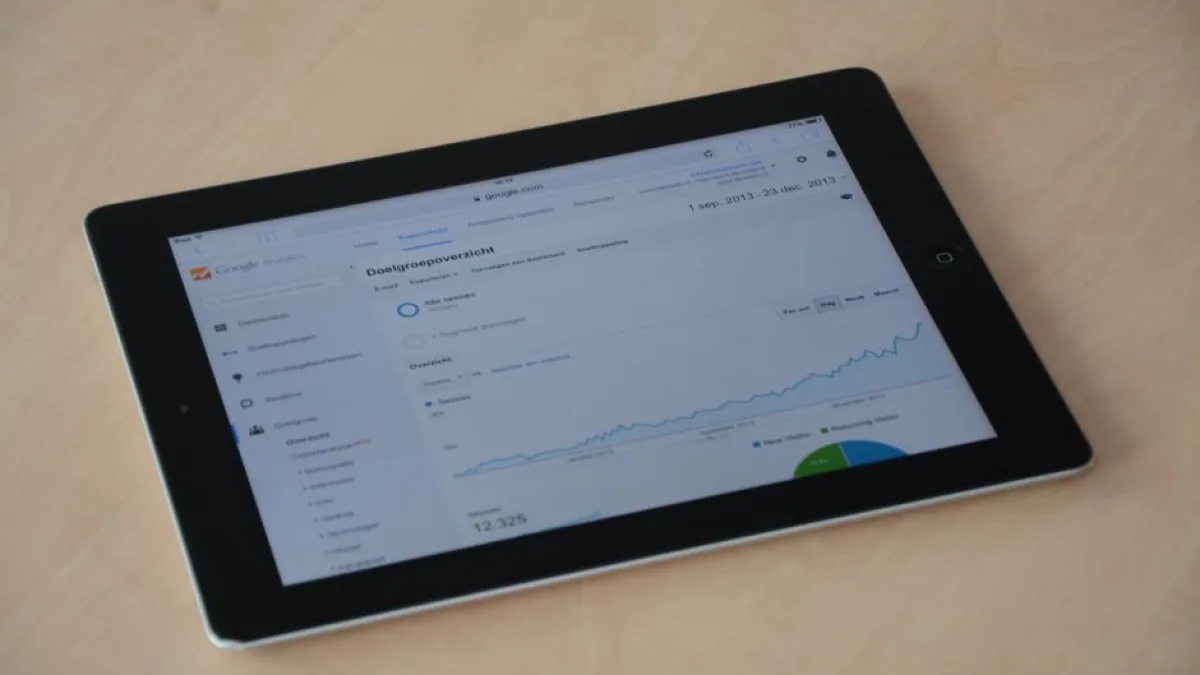
Data is a powerful asset that most forwarders currently underutilize. By capturing key performance indicators and analyzing shipment trends, you can uncover hidden patterns that reveal opportunities for cost savings and identify areas where your current operational processes need improvement.
- Custom KPI Reporting: Tracking metrics like transit times and carrier performance helps you identify the most reliable shipping routes and vendors, allowing for more strategic selection during the booking process.
- Cost Analysis Tools: Identifying patterns in spending allows you to optimize your procurement strategies and negotiate better rates based on accurate historical volume data rather than simple guesses.
- Operational Trend Identification: Observing common delays or recurring paperwork issues enables your leadership team to implement targeted training or process changes that improve your total operational throughput over time.
- Predictive Capacity Planning: Utilizing historical cargo data helps you forecast seasonal demand spikes, allowing you to secure space and equipment well in advance of peak market periods.
Analytics move your company beyond simple shipment execution toward a strategic growth phase. When you base your operational decisions on hard data rather than intuition, you reduce risk and improve your bottom line consistently. Embracing data-driven insights ensures that your business stays relevant and efficient in an increasingly data-centric freight market. Start small with basic reporting and scale your analytical capabilities as needed.
Conclusion
Modernizing freight operations requires a balance of digital tools and consistent process improvement. By centralizing documentation, increasing visibility, improving partner communication, and utilizing data analytics, you build a foundation for long-term scalability. Freight forwarders who commit to these technological advancements will find themselves better positioned to meet client expectations and thrive in an unpredictable global market. Take the step to optimize your operations today.