Optimizing Freight Operations for Modern Logistics Efficiency
Wednesday, July 22 2026
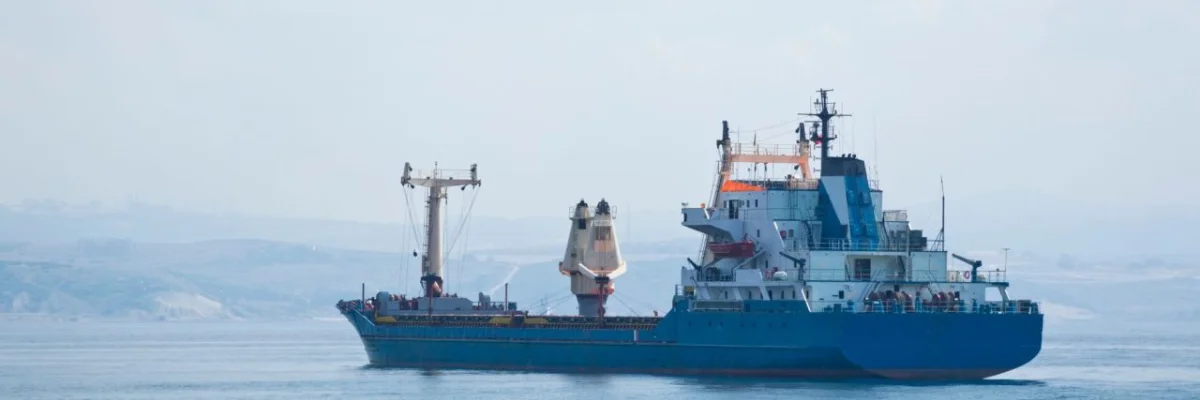
Freight forwarding is currently undergoing a radical transformation as market demands shift toward greater speed and transparency. For logistics professionals, managing the intricate dance of documentation, carrier communication, and customs compliance requires more than just manual effort. It demands a strategic approach to workflow automation and data integration to remain competitive in a volatile global market. By leveraging cloud-based platforms like MakeCargo, forwarders can reclaim lost hours and focus on high-value client relationships. This guide examines the essential pillars of operational excellence that every modern forwarder must master to thrive amidst the complexities of international trade and supply chain pressures.
Digital Documentation Management

Managing shipment paperwork is often the most time-consuming aspect of daily operations. Transitioning from paper-based filing systems to centralized digital hubs eliminates bottlenecks, reduces human errors, and ensures that critical customs documentation is instantly accessible for audit and verification purposes.
- Automated Data Entry: Intelligent software extracts shipment details from bills of lading or invoices, significantly reducing the manual typing errors that typically delay clearance and billing processes across teams.
- Cloud Storage Security: Storing documents in a secure, encrypted cloud environment prevents physical loss and allows authorized staff to retrieve essential files from any global location instantly.
- Version Control Systems: Maintaining a single source of truth ensures that all partners view the most recent document versions, preventing confusion and costly mistakes during final transit.
- Compliance Tracking Tools: Integrated platforms flag missing documentation early, helping your team resolve issues before they result in port congestion fees or unexpected government hold orders.
Adopting digital workflows is no longer a luxury but a fundamental necessity for growth. By removing the physical barriers to information flow, freight forwarders create a seamless experience for their employees and clients alike. When documentation is streamlined, your team spends significantly less time chasing status updates and more time solving the logistical challenges that provide real value to your global customer base.
Real-Time Shipment Tracking
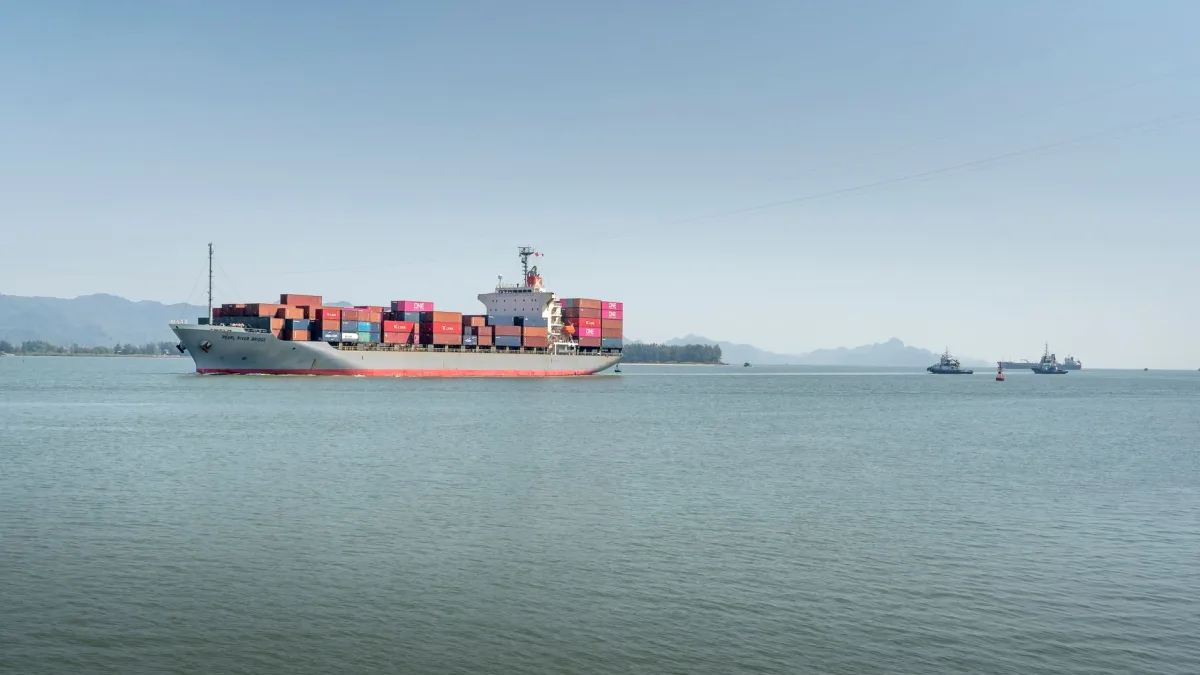
Visibility is the top priority for today's shippers who demand constant awareness of their cargo status. Providing accurate, real-time tracking data not only enhances client trust but also allows for proactive problem-solving when unexpected delays occur during the international shipping process.
- Live Status Updates: Connecting directly to carrier APIs enables your platform to push automated status changes to clients, eliminating the need for frequent manual email inquiries.
- Exception Management Alerts: Sophisticated systems proactively identify potential delays caused by weather or port congestion, allowing your operations team to suggest alternative routing options well ahead.
- Customer Visibility Portals: Giving your clients a personalized login to view their cargo journey fosters long-term loyalty and reduces the administrative burden on your support staff.
- Carrier Data Integration: Harmonizing data from multiple ocean, air, and land carriers provides a unified view of the supply chain that is essential for accurate forecasting.
Proactive transparency serves as a competitive advantage that separates top-tier forwarders from the rest of the market. Clients appreciate knowing exactly where their goods are at any given moment, especially during peak shipping seasons. By investing in robust tracking technology, you empower your business to navigate unforeseen disruptions with confidence and precision, ultimately ensuring that your service delivery remains reliable and highly consistent.
Automated Financial Workflows

Managing accounts payable and receivable is complex in the global freight industry. Automating financial workflows reduces the cycle time for invoicing and improves cash flow, ensuring that your business maintains healthy liquidity while reducing administrative costs associated with manual accounting tasks.
- Instant Invoice Generation: Convert shipment data into professional invoices with a single click, ensuring that billing occurs exactly when the shipment leaves the warehouse or port.
- Currency Conversion Tools: Automatically calculate multi-currency totals based on the latest exchange rates to keep your accounts accurate and protect your profit margins from fluctuation.
- Payment Gateway Integration: Enable clients to settle invoices online via secure payment gateways, which significantly speeds up cash collection and reduces time spent on debt.
- Expense Reconciliation Logic: Matching supplier costs against customer charges automatically reveals discrepancies in real-time, helping to identify and rectify billing errors before they affect your profit.
Financial health is the backbone of any successful freight forwarding operation. By automating the billing cycle, you reduce the time your staff spends on manual reconciliations and minimize the risk of human oversight. This shift allows you to maintain better oversight of your financial performance, enabling more informed decision-making regarding pricing strategies and operational investments for your expanding global logistics business.
Collaborative Partner Communication

Effective communication between internal departments, carriers, and agents is the glue that holds a shipment together. Using centralized communication tools ensures that every stakeholder remains informed, which drastically decreases the chances of misaligned expectations or significant logistical failures during transit.
- Centralized Messaging Hubs: Keep all shipment-related conversations inside the platform to ensure a complete audit trail exists for every decision made during the move process for accountability.
- Integrated Task Assignments: Assign specific follow-up actions to team members directly within the software, preventing critical tasks from falling through the cracks during busy work periods.
- Agent Coordination Tools: Simplify the exchange of information with overseas agents through shared digital boards that provide clear visibility into responsibilities and current shipment completion stages.
- Collaborative Document Editing: Multiple users can review and comment on shipment files simultaneously, facilitating faster decision-making and better teamwork across different global time zones effectively.
Strong communication habits define how successfully a firm handles daily freight challenges. When your team collaborates through a unified software interface, the risk of miscommunication disappears. This approach fosters a culture of accountability where every stakeholder understands their role in the shipment lifecycle, leading to fewer errors, higher productivity levels, and a much smoother overall experience for all your global partners.
Conclusion
Modernizing your freight operations requires a commitment to digital integration and automated processes. By focusing on documentation, visibility, finance, and communication, you build a foundation that scales with your growing business. Evaluate your current software today and see how upgrading your tools can drive efficiency, boost your bottom line, and provide superior service that your clients truly value in this competitive landscape.