Optimizing Freight Operations for Modern Logistics Success
Sunday, July 26 2026
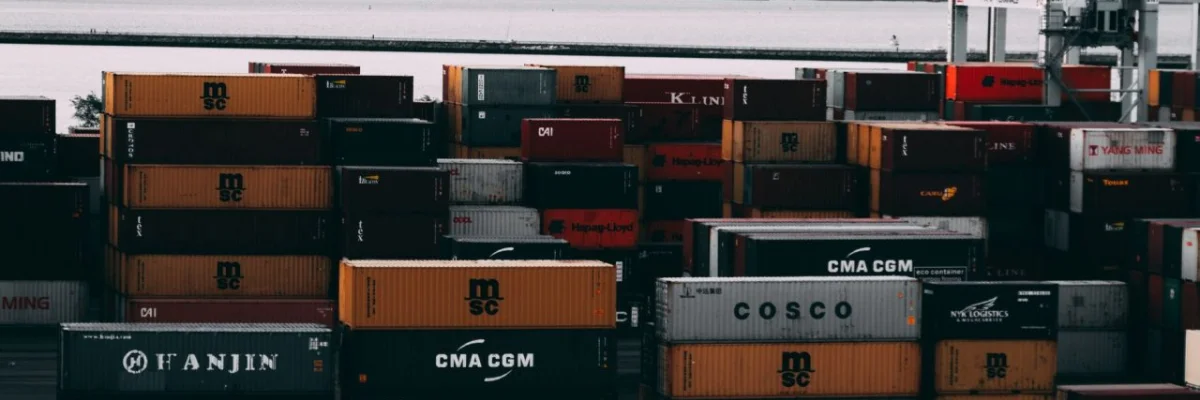
The global freight forwarding industry stands at a critical juncture where digital transformation is no longer a luxury but a fundamental necessity for survival. As supply chain complexities increase and client expectations for real-time visibility grow, forwarders must pivot toward integrated software solutions that eliminate data silos and automate manual workflows. By embracing cloud-based platforms, logistics professionals can enhance operational efficiency, reduce costly human errors, and provide superior service levels that differentiate their brand in a saturated market. Adopting a technology-first mindset empowers teams to focus on strategic growth while ensuring that every shipment is tracked, managed, and executed with absolute precision and transparency.
Digital Workflow Automation

Automating your core documentation and data entry processes is the fastest way to regain control over your operational hours and reduce overhead expenses. Digital transformation allows your team to focus on high-value tasks instead of tedious manual data reconciliation.
- Seamless Data Integration: Connect your existing ERP systems with cloud-based tools to ensure that information flows automatically across all departments without the risk of manual entry errors occurring daily.
- Automated Document Generation: Speed up the shipping process by utilizing templates that pull shipment details directly from your dashboard to create accurate house bills and commercial invoices instantly.
- Real-time Tracking Updates: Provide your clients with automated status notifications sent directly from your system to ensure they remain informed without requiring manual check-ins via phone or email.
- Error Reduction Protocols: Implement validation rules within your software to catch common discrepancies before they become expensive compliance issues that delay your cargo at international border crossing points.
By removing the burden of manual data entry, your staff can transition into more meaningful roles that prioritize client relationships and complex problem solving. Automation acts as the backbone of a scalable business model, allowing you to handle higher volumes of freight without expanding your workforce proportionally. When machines handle the repetitive tasks, your logistics experts gain the time required to manage high-stakes shipments effectively.
Enhancing Supply Chain Visibility
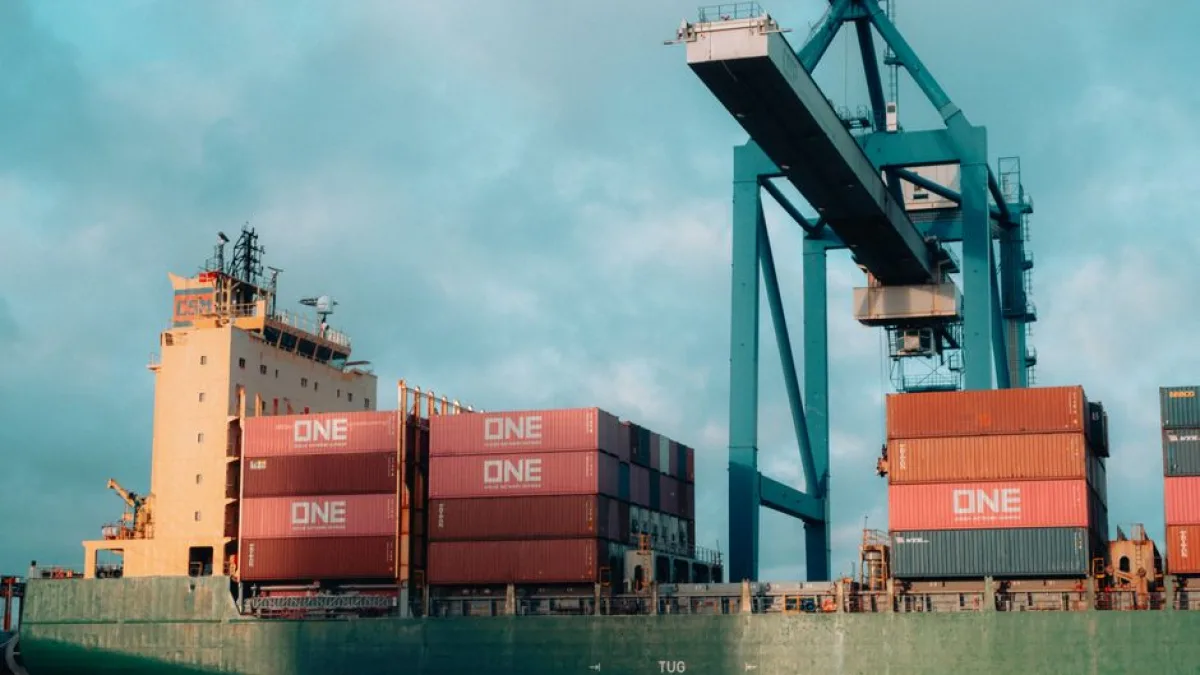
Transparency has become the primary requirement for modern freight shippers who demand constant updates on their global inventory. Providing clear, actionable data prevents misunderstandings and builds long-term trust with your cargo owners through proactive communication strategies.
- Live Cargo Tracking: Offer your clients access to a dedicated portal where they can view the live status of their shipments from origin to final destination points easily.
- Proactive Delay Alerts: Utilize smart monitoring tools that automatically trigger alerts when a vessel or truck experiences delays, allowing you to notify clients before they contact you.
- Transparent Cost Auditing: Display all freight costs and surcharges clearly within your digital platform to ensure that your clients understand their billing statements without needing extra explanations.
- Digital Document Vault: Centralize all essential shipping documents in a secure cloud repository where they remain accessible to authorized parties at any time from any location worldwide.
Visibility serves as the foundation for modern service level agreements, as shippers now expect instant clarity regarding their cargo movement. By implementing a digital window into your operations, you reduce the volume of inbound queries and empower customers to manage their own inquiries. This high level of transparency positions your agency as a reliable partner capable of navigating complex global supply chains.
Effective Partner Collaboration
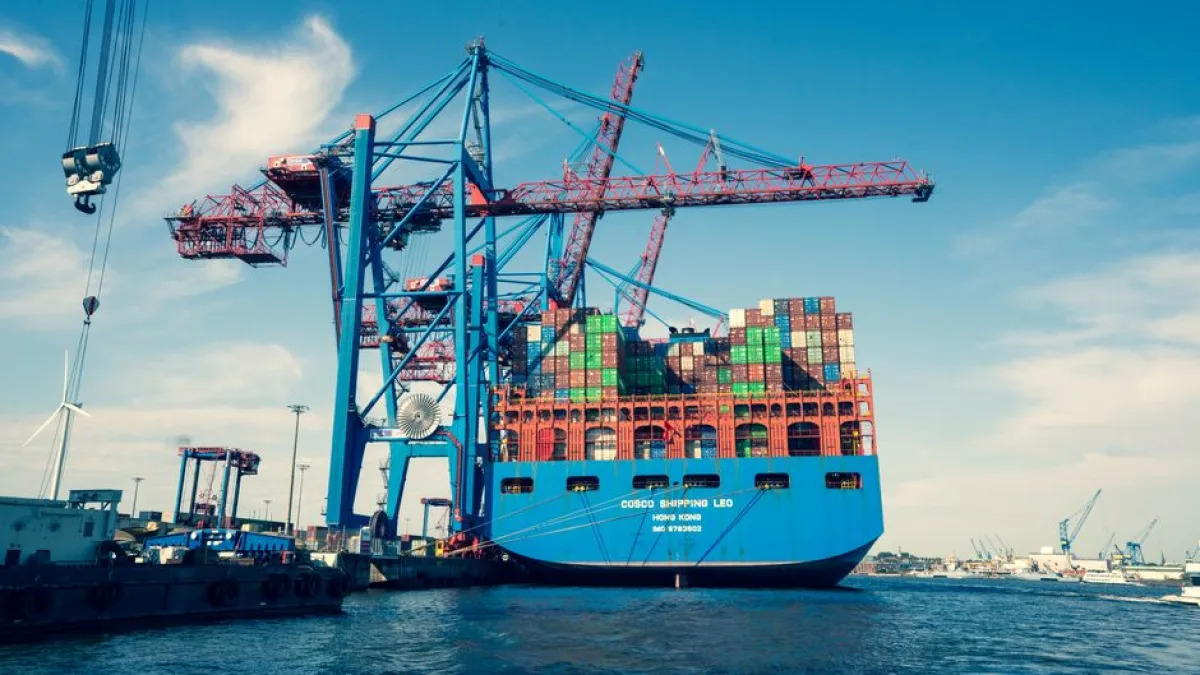
Coordinating effectively with carriers, agents, and local vendors is vital to maintaining smooth shipping lanes across various international borders. Strong communication tools foster better relationships with your extended network and ensure everyone remains aligned on critical project milestones.
- Centralized Communication Hubs: Consolidate all email exchanges and platform messages regarding specific shipments to keep every participant updated on the latest instructions and change of plans.
- Unified Agent Portals: Enable your international agents to log in and update shipment statuses directly, ensuring that your local team always has the most accurate information.
- Shared Document Editing: Use cloud-based collaboration tools that allow multiple stakeholders to review and approve documents simultaneously, reducing the back and forth of traditional email attachments.
- Standardized Messaging Templates: Adopt internal standards for how shipment status updates are communicated to ensure consistency and professionalism across your entire network of global freight partners.
Effective collaboration ensures that your entire network operates as a cohesive unit rather than a collection of disconnected entities. By providing your partners with the right software tools, you minimize the risk of miscommunication and delays. Stronger connections with carriers and agents result in better service rates and prioritized cargo handling, which ultimately benefits your bottom line and your client satisfaction levels.
Strategic Data Analysis

Leveraging the data collected through your software provides deep insights into your business performance and helps identify new growth opportunities. Analyzing key metrics allows management to make evidence-based decisions that optimize route efficiency and overall profitability for the company.
- Performance Metric Tracking: Monitor your average transit times and carrier performance to ensure that you are consistently selecting the most efficient routes for your unique client needs.
- Profitability per Shipment: Analyze the financial health of every lane and service type by reviewing detailed margin reports that highlight where your revenue is being generated.
- Trend Forecasting Tools: Use historical data to anticipate seasonal spikes in shipping demand, allowing you to negotiate better rates with carriers in advance of the busy cycle.
- Custom Report Generation: Build tailored reporting dashboards that give your management team a clear view of business health without requiring hours of manual spreadsheet compilation time.
Data is the most valuable asset in your logistics toolkit, provided you know how to interpret it correctly. By transforming raw shipment data into clear visualizations, you can identify hidden bottlenecks and underperforming assets within your current operations. Consistent analysis drives continuous improvement, ensuring that your firm remains agile and prepared to face the evolving challenges of the global freight forwarding industry.
Conclusion

Modernizing your freight forwarding operations requires a blend of advanced software adoption and a commitment to process optimization. By focusing on automation, visibility, collaboration, and data-driven decision making, your firm can thrive in a competitive environment. Embrace these digital tools today to improve your service quality and operational efficiency. Start your transformation journey now to secure a sustainable future for your logistics business.