Optimizing Freight Operations for Modern Logistics Success
Thursday, July 30 2026

The global logistics landscape is changing at an unprecedented pace, demanding higher levels of precision and agility from freight forwarders. As supply chains grow more complex, manual workflows are becoming significant liabilities that hinder growth and customer satisfaction. Modern freight operations require a shift toward digital transformation to maintain a competitive edge. By leveraging advanced cloud-based software, forwarders can integrate their communication channels, automate repetitive tasks, and achieve total visibility across all shipments. Mastering these operational shifts is essential for any professional looking to reduce overhead costs and improve the overall service delivery for their valued global client base.
Streamlining Documentation Workflows
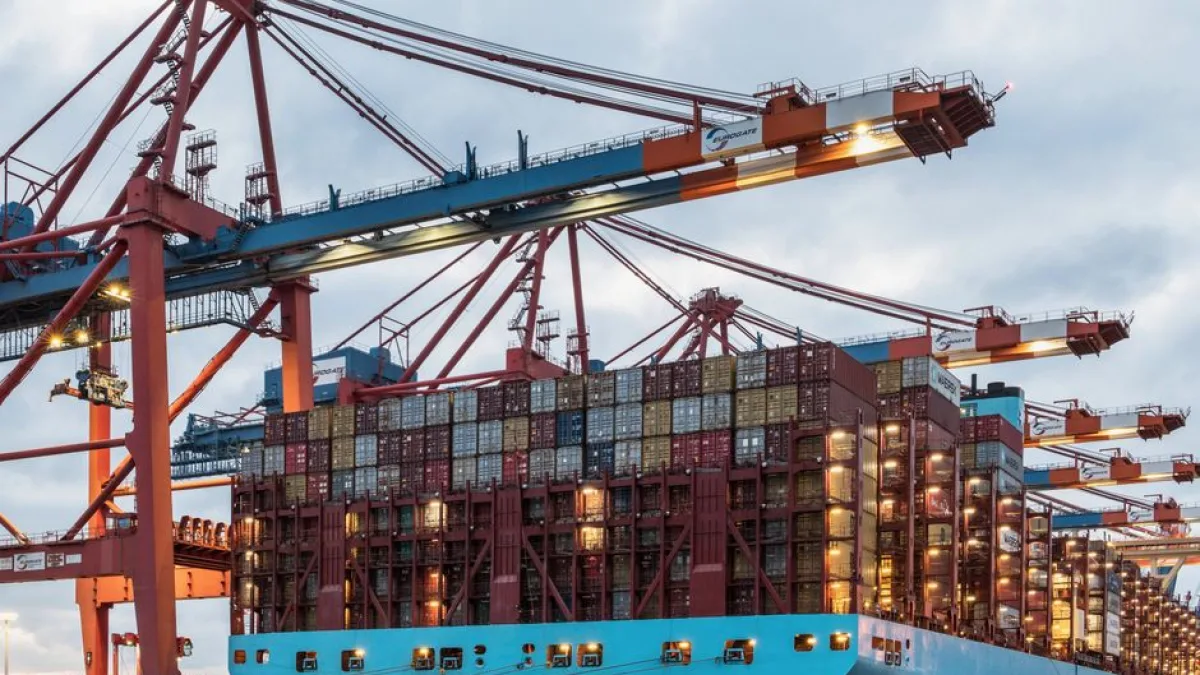
Processing paperwork remains the most time-consuming aspect of daily freight forwarding operations. Digital document management systems allow teams to replace physical filing with centralized cloud repositories that reduce errors and ensure that compliance documentation is always accessible to authorized personnel.
- Automated Data Entry: Implement OCR technology to extract data from bills of lading or invoices, which eliminates manual typing errors and significantly accelerates the speed of customs clearance procedures.
- Centralized Cloud Storage: Maintain a secure and organized database where every document related to a shipment is indexed, searchable, and instantly retrievable by your global operations team members.
- Version Control Systems: Prevent confusion by using software that tracks document revisions, ensuring that all stakeholders are always viewing the most recent and accurate version of legal files.
- Electronic Signature Integration: Speed up the execution of contracts and delivery confirmations by using digital signing tools that allow for secure, legally binding approvals from remote global partners.
Adopting these automated tools directly transforms the way your staff handles administrative burdens. By minimizing the time spent on manual data entry and document retrieval, your operations team can focus on higher value tasks such as strategic account management. This shift not only increases productivity but also improves job satisfaction among employees who are no longer bogged down by repetitive and tedious clerical duties.
Real-time Shipment Visibility
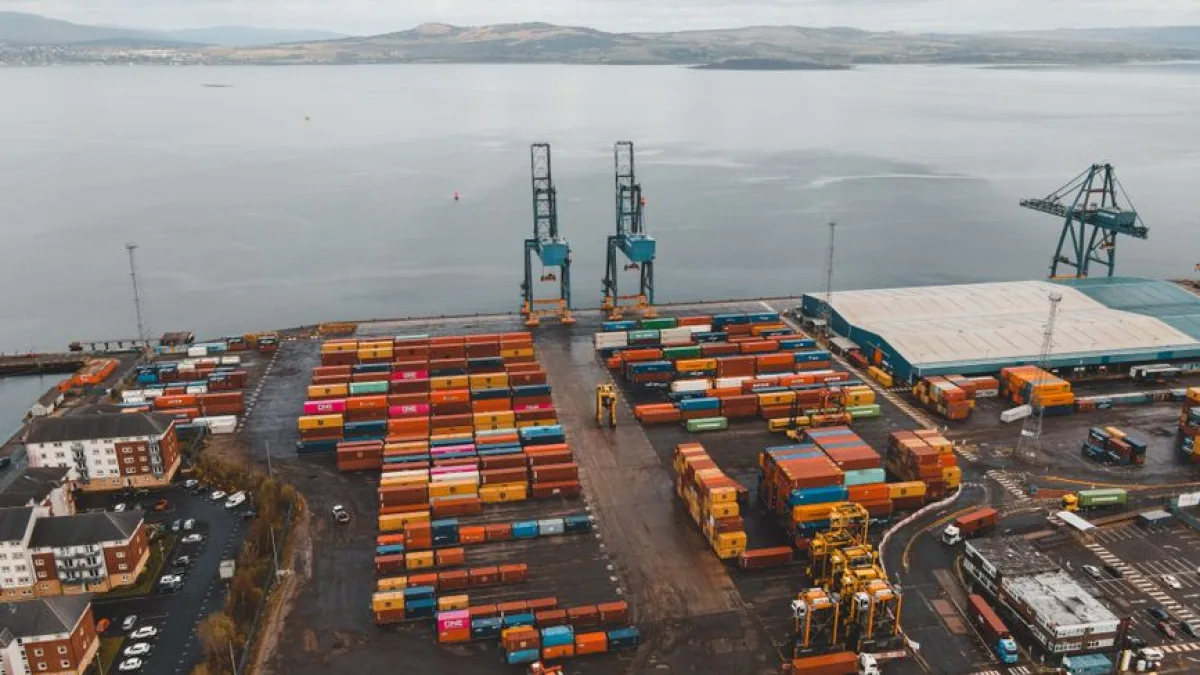
Customers today demand constant updates regarding their freight location and status. Providing transparent, real-time tracking information through a digital portal builds deep trust and differentiates your forwarding services from competitors who still rely on legacy communication methods like email.
- Live GPS Integration: Connect your software directly with carrier APIs to provide customers with precise, real-time location data for their ocean, air, and road transport cargo units.
- Automated Status Alerts: Trigger personalized notifications for milestones like customs clearance or port arrival to keep clients informed without requiring constant manual updates from your team.
- Digital Client Portals: Offer a user-friendly dashboard where shippers can log in to view shipment status, download invoices, and monitor performance metrics whenever they need the information.
- Exception Management Alerts: Receive instant notifications when a shipment faces an unexpected delay, allowing your team to proactively communicate with the client and offer viable recovery solutions.
Proactive communication serves as a powerful tool for customer retention in the freight industry. When you provide shippers with clear insights, you reduce the volume of incoming status inquiries, freeing up your team to manage exceptions effectively. This commitment to transparency turns occasional service users into loyal, long-term partners who appreciate the reliability and visibility of your professional freight forwarding operations.
Optimizing Carrier Procurement

Selecting the right carrier for every unique shipment is a balancing act between cost and service quality. Advanced platforms allow forwarders to compare carrier performance data and pricing structures in a single view, enabling faster and more informed booking decisions every time.
- Carrier Comparison Tools: Utilize digital marketplaces to compare freight rates, transit times, and service reliability across multiple carriers to find the best option for every unique requirement.
- Performance Analytics Dashboards: Evaluate historical data to identify which shipping lines or trucking companies consistently meet their delivery promises and offer the most competitive market rates.
- Centralized Booking Requests: Standardize your booking process by sending out quote requests directly through your platform, ensuring consistent communication and professional documentation for every single shipment booked.
- Dynamic Rate Management: Maintain an up-to-date database of spot rates and contract pricing to ensure your quotes remain competitive even when the volatile global freight market fluctuates.
Effective procurement strategies ensure that your company maintains healthy margins while providing excellent value to your clients. By using data-driven insights to choose carriers, you minimize the risks associated with service failures and transit delays. This systematic approach to procurement is a key differentiator that allows forwarders to scale their operations confidently while keeping operational costs tightly controlled and predictable.
Improving Financial Operations

Financial health depends on accurate invoicing and timely payment cycles. Freight software that integrates operations with accounting ensures that every cost is captured, correctly allocated, and billed without the common errors associated with traditional spreadsheet-based tracking and manual invoicing processes.
- Automated Invoice Creation: Generate accurate freight invoices immediately upon shipment completion by pulling data directly from the operations module, which ensures perfect consistency between service and cost.
- Integrated Payment Gateways: Simplify the collection of funds by offering secure online payment options to your customers, which can significantly reduce the average days sales outstanding metric.
- Cost Tracking Modules: Record every vendor expense against specific shipments to ensure accurate profit and loss reporting for each individual project or customer account managed by staff.
- Custom Financial Reporting: Create detailed reports on your company revenue, profit margins, and overhead costs to identify trends that guide your future business development and growth.
Streamlined financial processes reduce the risk of revenue leakage and improve overall cash flow efficiency. When your operations and accounting systems work in harmony, you eliminate the friction that often slows down growth. Focus on implementing these financial integrations to ensure that your freight forwarding business remains profitable, stable, and ready to handle the demands of an evolving global market.
Conclusion

Achieving excellence in freight operations requires a commitment to digital integration and continuous process improvement. By embracing technology for documentation, visibility, procurement, and finance, you position your forwarding company for long-term success. MakeCargo provides the tools necessary to bridge the gap between complex logistics challenges and streamlined solutions. Start optimizing your freight operations today to ensure your business remains competitive and profitable.