Optimizing Freight Operations for Modern Logistics Success
Friday, August 7 2026
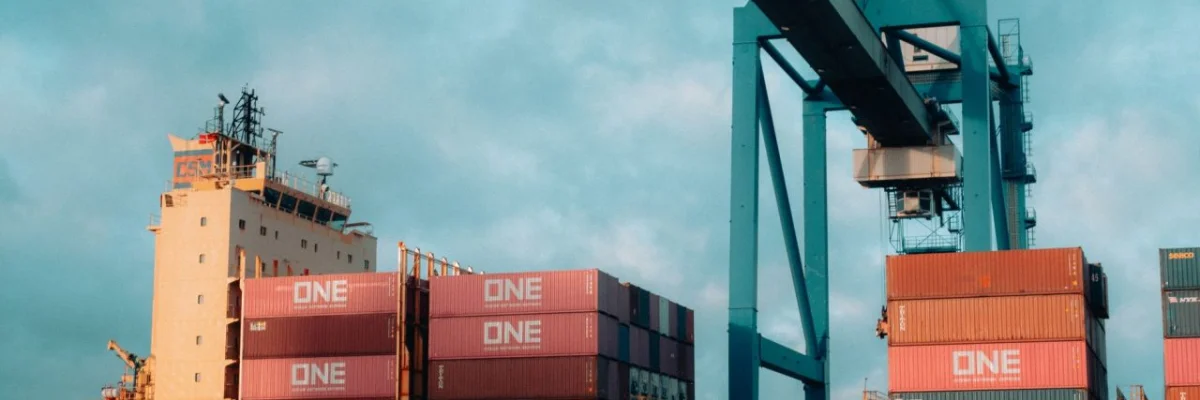
Freight forwarding is currently undergoing a massive digital transformation that challenges traditional legacy systems and manual documentation processes. Forwarders must now navigate volatile global markets, tightening capacity constraints, and rising client expectations for real-time visibility. By leveraging cloud-based platforms, logistics businesses can replace fragmented spreadsheets with integrated workflows that connect every stakeholder in the supply chain. This shift not only improves operational speed but also builds long-term resilience against unpredictable disruptions. Success in the modern era requires a proactive approach to technology adoption, ensuring that every shipment is tracked, optimized, and managed with maximum precision and efficiency.
Automating Complex Documentation

Documentation management often remains the primary bottleneck for logistics teams, leading to delayed clearances and manual entry errors. Automating these repetitive administrative tasks allows staff to focus on strategic client relationship building while reducing the overall cost per individual shipment.
- Reducing manual entry: Implementing automated data capture tools removes the need for repetitive typing, significantly lowering the risk of human error in bills of lading and commercial invoices.
- Standardizing document templates: Creating uniform digital templates ensures that all logistics partners provide the exact information needed for customs compliance and rapid processing at international borders.
- Cloud storage access: Centralizing all documents in a secure cloud repository enables team members to retrieve critical paperwork from any location instantly, enhancing overall collaborative productivity levels.
- Automated audit trails: Tracking every change made to a shipment document provides an immutable record, which simplifies compliance reporting and assists during internal or external customs audits.
Adopting automated documentation workflows transforms the way your back-office team manages daily operations. By removing the burden of manual data validation, companies can significantly reduce their overhead while increasing overall throughput. This transition creates a scalable environment where staff spend less time searching for files and more time providing high-value freight solutions, ultimately leading to improved profitability across every active cargo shipment.
Real Time Shipment Visibility
Transparency has become a mandatory service expectation for modern shippers who demand constant updates. Providing accurate, real-time status alerts through cloud portals eliminates the constant stream of status inquiry emails, allowing operations teams to focus on managing actual exceptions.
- Live tracking integration: Connecting your management software with global carrier APIs allows for direct, automated updates regarding the exact location of vessels, trucks, and aircraft worldwide.
- Proactive delay alerts: Automated notification systems identify potential transit delays before they escalate, providing your team with the necessary time to create effective mitigation strategies for clients.
- Client self-service portals: Giving customers direct access to their own shipment data empowers them to pull reports independently, which reduces the administrative workload on your logistics team.
- Improved carrier communication: Unified platforms facilitate seamless messaging between forwarders and carriers, ensuring that status discrepancies are resolved quickly without long delays or missed shipment status updates.
True visibility is the backbone of exceptional customer service in the logistics industry. By utilizing live tracking capabilities, your firm moves from a reactive status to a position of leadership. Customers value the transparency offered by instant data access, which builds trust and secures long term partnerships. Investing in these digital tools ensures that your operations remain competitive and highly responsive today.
Effective Carrier Capacity Management
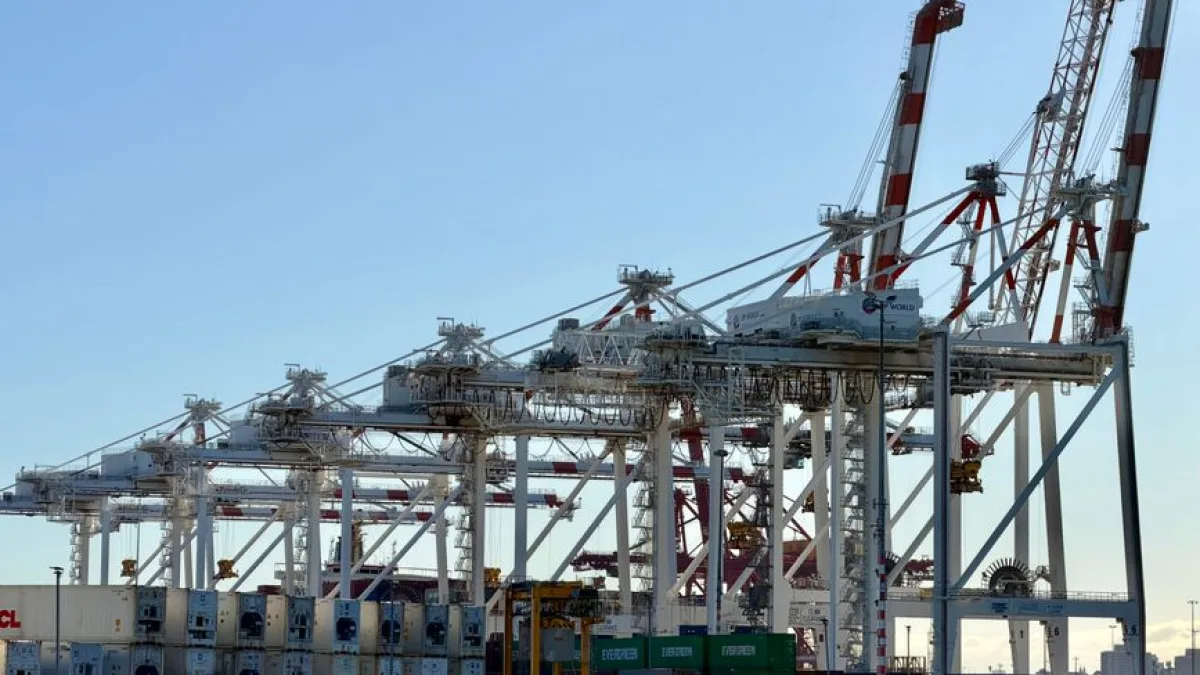
Securing reliable transport capacity requires an agile approach to carrier procurement and relationship management. Using data driven insights helps forwarders identify the most cost-effective routes and partners based on historical performance, seasonal availability, and current market pricing trends.
- Analyzing carrier performance: Reviewing historical data on transit times and reliability helps your team select the best partners for specific trade lanes and complex cargo requirements.
- Dynamic routing strategies: Utilizing intelligent software to compare various transport modes allows for optimized route planning, ensuring that you select the most efficient path for cargo.
- Centralized carrier database: Maintaining a structured directory of all logistics partners ensures that your team always has quick access to competitive quotes and verified transport capacity.
- Seasonal volume planning: Using predictive analytics to anticipate peak season demand helps secure necessary space early, preventing costly last-minute spot rate premiums for your valued clients.
Managing carrier capacity effectively is essential for maintaining margins in a fluctuating market. When you use data to drive your procurement decisions, you reduce reliance on guesswork and improve service reliability. These strategic choices protect your bottom line while ensuring your clients receive consistent, high-quality service, even during periods of extreme global volatility or constrained transport capacity across major logistics hubs.
Streamlining Financial Workflows

Financial health in freight forwarding depends on the speed of billing and the accuracy of accounts receivable processes. Integrated software platforms link operational milestones directly to invoicing, ensuring that cash flow remains consistent and that revenue leakage is minimized across shipments.
- Automated invoicing triggers: Linking your accounting system to shipment milestones ensures that invoices are generated the moment a job is completed, accelerating your overall collection cycle.
- Expense tracking modules: Recording every additional carrier cost immediately prevents missed billable items, ensuring that your profit margins are protected on every single cargo movement handled.
- Currency management tools: Handling multi-currency invoicing through automated systems prevents losses caused by exchange rate fluctuations, which is crucial for international freight forwarders managing global operations.
- Real-time profit analysis: Accessing live dashboards showing the profitability of each shipment allows management to make informed pricing decisions that benefit both the company and clients.
Financial management is often the most critical element of sustaining a logistics business. By integrating your operational and accounting data, you achieve a level of clarity that supports faster decision making and improved cash flow. This operational excellence ensures that your company remains liquid and prepared for growth, while providing accurate financial statements that help you navigate complex global economic conditions successfully.
Conclusion

Transforming freight operations through cloud technology is the most effective way to remain competitive in today's fast-paced logistics environment. By automating manual processes, improving transparency, managing capacity intelligently, and streamlining finances, your firm can achieve new levels of efficiency. Embrace these digital tools today to simplify your complex workflows and deliver superior value to your clients while scaling your business for the future.