Optimizing Freight Operations for Modern Logistics Success
Monday, August 10 2026
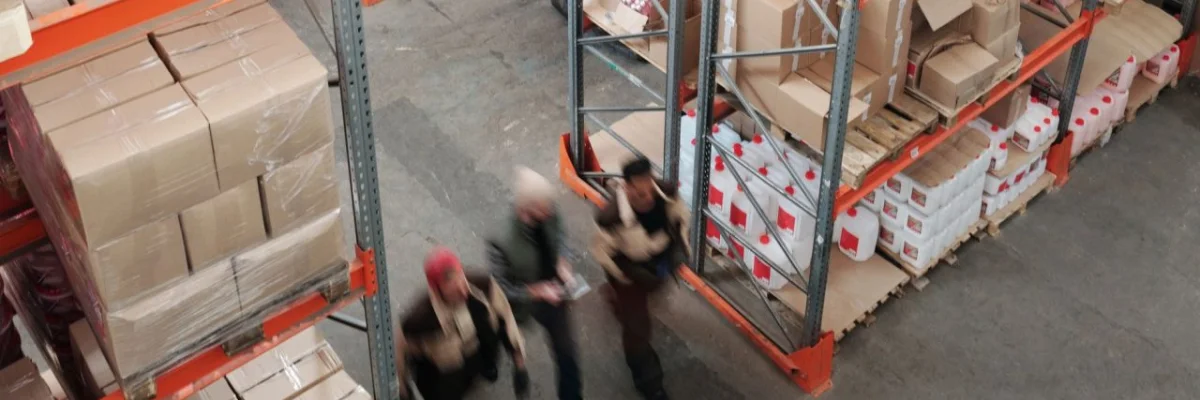
Freight forwarding is currently undergoing a massive digital transformation that forces professionals to rethink traditional workflows. As supply chains become more volatile, the pressure to maintain operational visibility and cost-efficiency grows significantly. Manual data entry and disconnected systems represent the biggest hurdles for small to medium forwarders aiming to scale globally. By adopting cloud-based platforms, forwarders can now automate routine tasks, reduce errors, and foster better communication across the entire shipping lifecycle. This transition is no longer just a luxury but a fundamental necessity for businesses that want to remain competitive in an increasingly demanding global marketplace.
Automated Workflow Management

Modern freight software empowers teams to digitize repetitive tasks through automation and smart workflows. When operational processes are digitized, employees spend less time on manual coordination and more time providing high-value service to their existing clients and partners.
- Document Generation Speed: Software can automatically generate critical shipping documents like bills of lading and commercial invoices using existing shipment data to reduce human errors and save precious time.
- Automated Status Updates: Configure your platform to trigger automatic email or portal notifications to customers whenever a shipment milestone is reached to keep stakeholders informed without manual input.
- Workflow Task Routing: Assign specific operational tasks to team members automatically based on shipment type or carrier requirements to ensure that no critical action is ever missed again.
- Real-time Data Sync: Synchronize data between your database and partner systems instantly to prevent information silos that typically cause expensive delays and miscommunication within your global logistics network.
By leveraging automation, forwarders can significantly reduce their overhead costs and minimize the common bottlenecks that impede growth. This shift allows your staff to focus on strategic initiatives rather than getting lost in tedious paperwork. As you implement these digital tools, you will notice a marked improvement in the overall reliability of your freight operations and improved responsiveness to your customer requests.
Enhanced Shipment Visibility
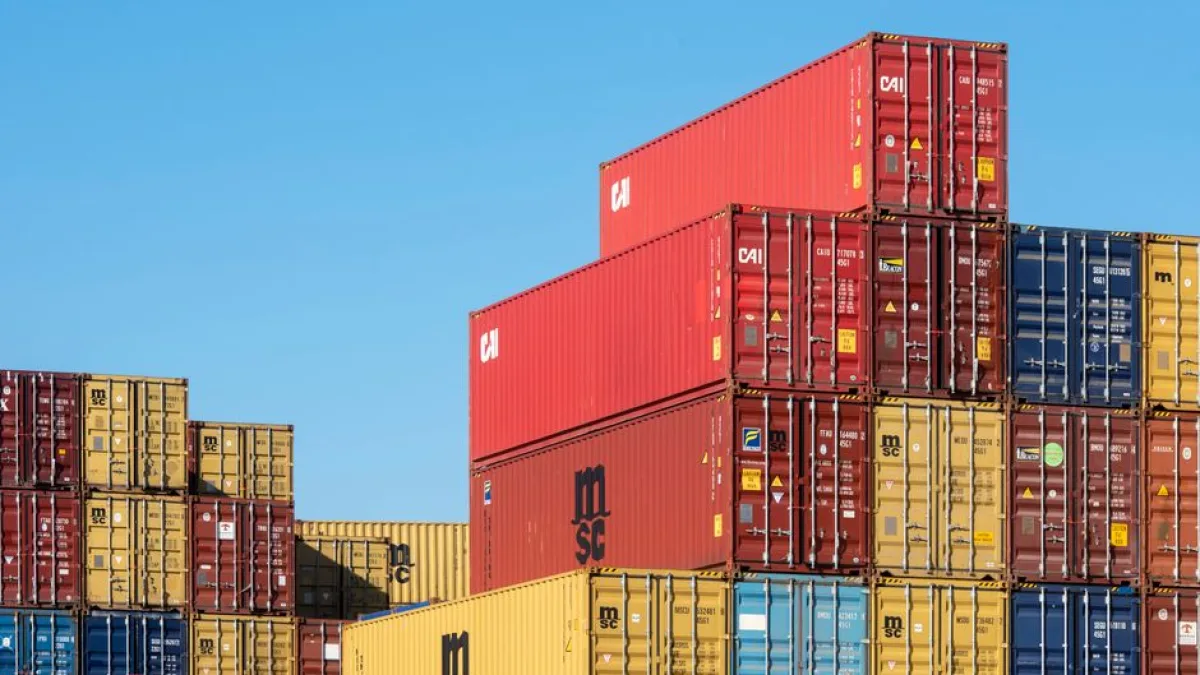
Real-time visibility acts as the backbone of modern freight forwarding, offering clarity for both the provider and the end customer. Accessing precise shipment data helps teams navigate complex logistics challenges with confidence while maintaining high levels of professional transparency.
- Live Tracking Integration: Connect your platform directly with carrier APIs to pull live location data into your dashboard, providing accurate status updates for every single shipment you manage.
- Unified Customer Portals: Offer your clients a dedicated portal where they can view real-time status updates and download documents, significantly reducing the volume of inbound status inquiry calls.
- Exception Management Alerts: Set up proactive notifications that inform your operations team immediately if a shipment faces an unexpected delay, allowing you to find solutions before customers complain.
- End-to-End Monitoring: Keep track of every shipment from origin to destination across multiple transport modes to maintain complete oversight of your global supply chain activities and milestones.
Visibility serves as a powerful competitive advantage in a market where customers expect instant updates. When you provide accurate information quickly, you build deep trust and long-term loyalty with your clients. This transparent approach to operations minimizes the stress associated with tracking goods, allowing your team to operate more efficiently while providing superior service quality in every transaction you handle throughout the year.
Optimized Carrier Communications

Maintaining seamless communication with carriers is essential for efficient cargo movement and rapid problem resolution. Centralizing your communication within a cloud platform prevents critical details from getting buried in scattered email threads and various disconnected messaging tools.
- Centralized Communication Hubs: Keep all messages, attachments, and shipment history in one location to ensure that every team member has access to the most current project details.
- Carrier Portal Access: Use integrated carrier tools to book space, request quotes, and confirm departure schedules without leaving your primary management platform for better daily workflow efficiency.
- Collaborative Internal Notes: Create internal notes on shipments to share updates between your freight coordinators and warehouse teams, ensuring everyone stays aligned on specific customer requirements today.
- Vendor Relationship Management: Maintain a comprehensive record of carrier performance and pricing history to make better decisions when choosing partners for your future high-priority shipping routes.
Strong communication habits are the bedrock of reliable logistics services. By consolidating your interactions into a single platform, you eliminate the confusion caused by misrouted emails and conflicting information. Your team will benefit from faster decision-making processes and higher rates of carrier reliability. This strategic focus on communication builds a stable foundation for managing even the most complex international shipping requirements with confidence.
Streamlined Financial Operations

Effective financial management within freight forwarding requires precision and speed to maintain healthy cash flow. Cloud systems offer the necessary tools to automate invoicing, track payments, and reconcile accounts, ensuring that your financial data remains accurate and accessible at all times.
- Automated Invoice Creation: Generate accurate freight invoices immediately upon shipment completion, using pre-set templates that ensure all line items are correctly calculated and formatted for your clients.
- Payment Status Tracking: Monitor all accounts receivable and payable in real-time, receiving alerts for overdue payments to ensure that you maintain positive cash flow for operations.
- Currency Management Tools: Handle multi-currency transactions with built-in conversion features to avoid manual calculations that often lead to accounting errors and lost revenue during international payment cycles.
- Audit Ready Reporting: Produce detailed financial reports for tax and audit purposes in just a few clicks, demonstrating a high level of fiscal responsibility and operational oversight.
Financial health directly influences your ability to invest in new growth opportunities and expand your reach. By streamlining your accounting processes, you remove the common headaches of manual entry and reconciliation. This professional approach to your company finances ensures that you are always ready for future growth. Maintaining high standards in your financial operations will help sustain your long-term success in freight.
Conclusion
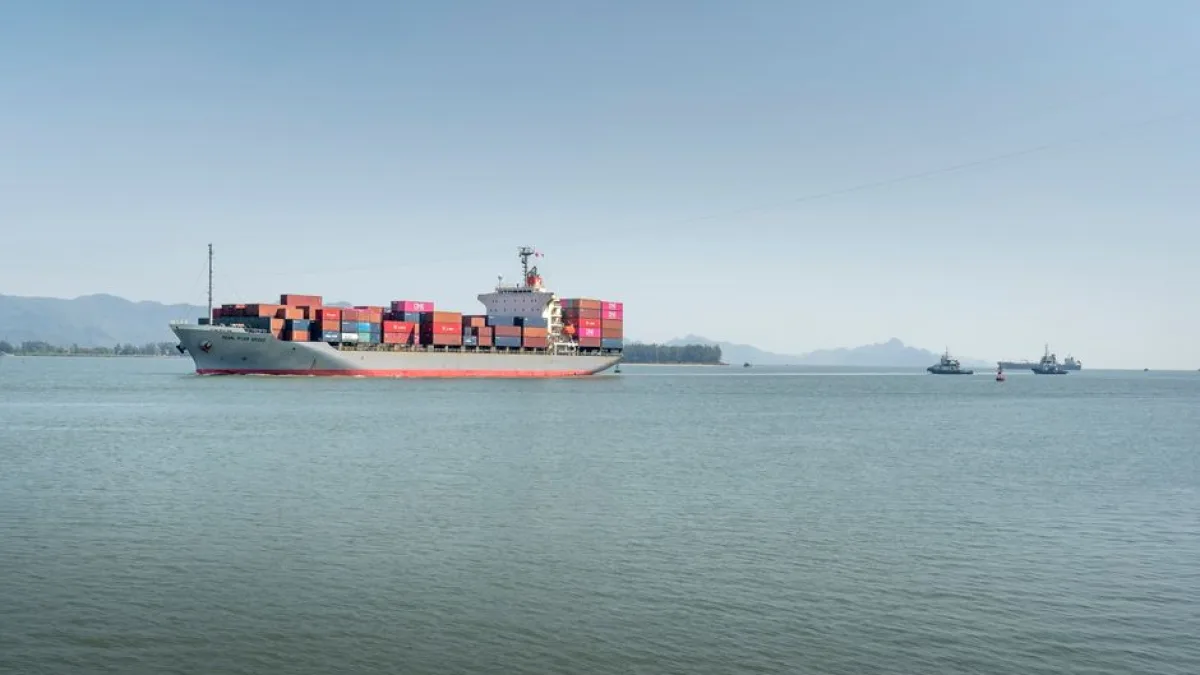
Mastering your freight operations requires a commitment to digital tools that enhance visibility, communication, and financial control. By transitioning to a robust cloud platform, you position your logistics business for sustainable growth in an evolving industry. Start evaluating your internal processes today to identify which manual tasks should be automated next. Success in forwarding belongs to those who embrace these modern operational improvements.