Optimizing Freight Operations for Modern Logistics Success
Thursday, August 13 2026
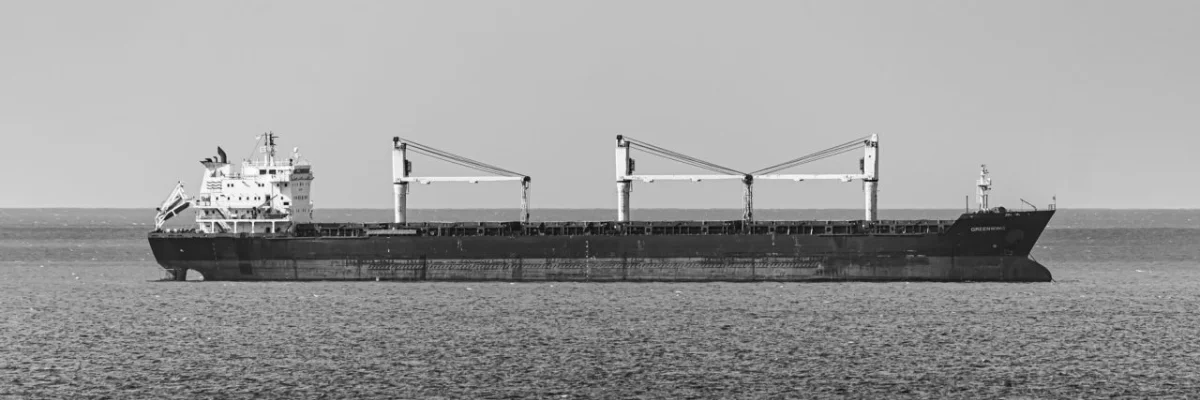
The global logistics landscape is undergoing a massive transformation as freight forwarders struggle to balance rising client expectations with volatile market conditions. Manual processes and siloed data systems often become the primary bottleneck, preventing teams from scaling effectively while maintaining profit margins. To remain competitive, companies must adopt integrated digital solutions that centralize documentation, automate routine tasks, and provide real-time visibility into every shipment. By leveraging cloud technology, forwarders can reclaim lost hours and focus on strategic growth rather than reactive fire fighting. This shift is essential for thriving in an increasingly connected and fast-paced international trade environment.
Automating Shipment Documentation

Document management remains one of the most time-consuming aspects of freight forwarding. Automation tools drastically reduce the risk of human error by standardizing data entry and ensuring that every stakeholder receives accurate information instantly during the critical booking process.
- Reduce manual entry: Implementing automated data extraction software eliminates repetitive typing tasks and ensures that shipping instructions are captured accurately from emails and PDF attachments into your core platform.
- Standardize document workflows: Establishing uniform templates for bills of lading and commercial invoices allows your team to generate professional paperwork quickly while maintaining compliance with international maritime trade regulations.
- Ensure regulatory compliance: Digital validation tools automatically check documents against current customs requirements to prevent costly delays at border crossings and avoid significant fines during the export clearance phase.
- Enhance data security: Cloud-based storage solutions protect sensitive client data through robust encryption and controlled access levels, keeping your organization secure against modern cyber threats and phishing attacks.
Adopting these automated systems transforms your operations from a reactive state to a proactive powerhouse. Your staff will spend significantly less time fixing typos or chasing missing signatures, allowing them to provide superior service to your existing customers. Investing in document automation today provides a clear path toward long-term operational excellence and scalability while minimizing the high risks associated with traditional, paper-based logistics management methods.
Real-Time Tracking Visibility
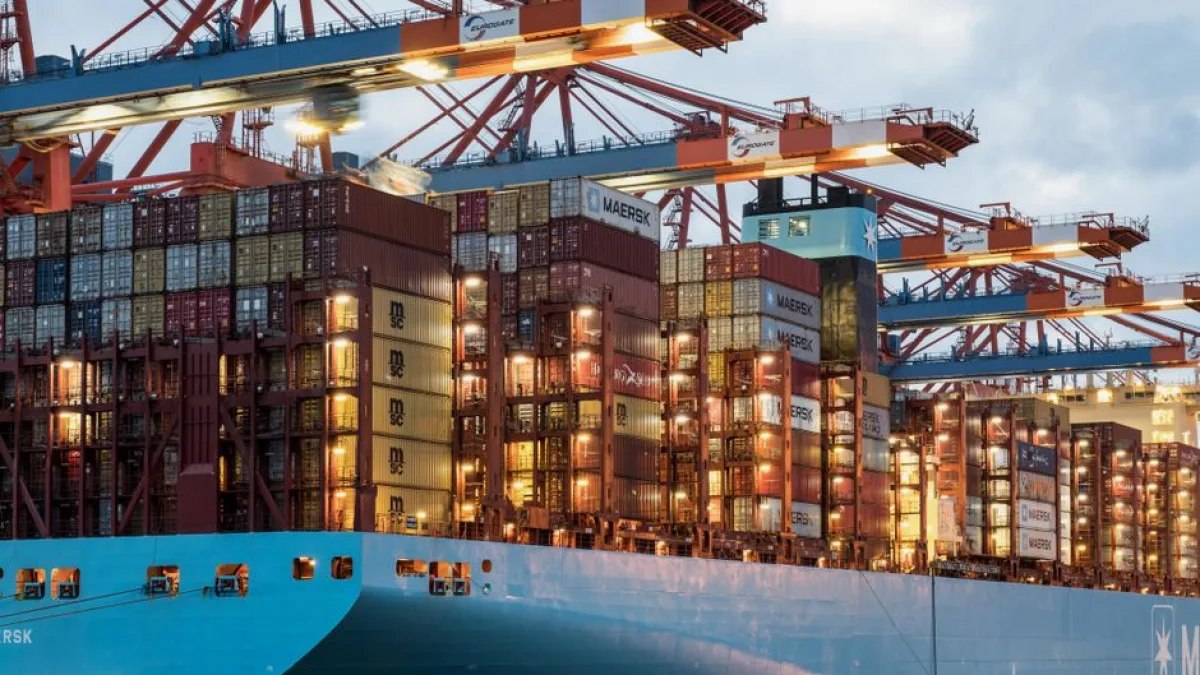
Clients expect instant updates on the location and status of their goods. Providing live visibility through a centralized portal increases transparency, reduces the burden of inbound status inquiries, and builds lasting trust with your diverse customer base throughout every journey.
- Live tracking updates: Integrating API connections with shipping lines provides your team with instantaneous location data for every container, ensuring everyone has access to the most accurate information.
- Client portal access: Empowering customers to view their shipment progress through a self-service dashboard reduces the volume of status-related emails and phone calls managed by your staff.
- Proactive delay management: Automated alerts notify your team about schedule changes or port congestion before customers notice, enabling you to suggest alternative routing options well ahead of time.
- Enhanced reporting tools: Analytics dashboards visualize key performance indicators for each shipment, helping you identify frequent carrier delays and optimize your future logistics planning and vendor selection.
True visibility is the hallmark of a modern freight forwarder. When clients know exactly where their cargo sits in the supply chain, their anxiety decreases and their satisfaction scores rise. By moving away from manual tracking emails and embracing live digital dashboards, your operations team can handle more shipments with the same level of resources, directly contributing to your bottom line and efficiency.
Streamlining Carrier Communications

Maintaining seamless communication with carriers is essential for fluid freight operations. Effective digital collaboration tools ensure that rate negotiations, capacity bookings, and dispute resolutions happen in one place, preventing important information from getting lost in fragmented email threads.
- Centralized communication logs: Storing all correspondence within the shipment record creates an audit trail that makes it easy for any team member to pick up active accounts.
- Digital rate procurement: Utilizing online carrier marketplaces allows you to compare quotes from multiple providers instantly, ensuring you secure the best prices for every unique route.
- Instant capacity confirmation: Booking tools integrated directly with carrier systems allow for immediate confirmation of cargo space, removing the uncertainty often found in traditional manual booking methods.
- Simplified invoice reconciliation: Linking communication to financial documents allows for easier verification of carrier charges, reducing the time spent resolving discrepancies and speeding up the payment cycle.
Clear communication is the bridge between operational planning and physical execution. By consolidating all messages and documents into a single platform, you eliminate the confusion caused by scattered email chains and missed notifications. This streamlined approach fosters better partnerships with carriers while ensuring your team remains aligned on every logistical detail, which ultimately results in faster shipments and improved profitability for your firm.
Scaling Through Cloud Infrastructure

Modern cloud infrastructure provides the necessary flexibility to scale your operations during peak seasons without requiring expensive hardware upgrades. Utilizing a robust software platform allows your team to collaborate securely from anywhere in the world while maintaining data integrity.
- Remote team collaboration: Cloud platforms enable staff members to work from any location, ensuring your operations continue smoothly even during periods of distributed work or travel.
- Easier system integration: Modern software easily connects with other logistics tools through open APIs, allowing you to build a custom technology stack that fits your business needs.
- Automatic software updates: Cloud solutions update in the background, ensuring your team always uses the latest features and security patches without needing manual installation or maintenance tasks.
- Data driven decision making: Centralized storage of historical data allows for deep analysis of your performance metrics, helping you spot seasonal trends and refine your operational strategy.
Transitioning to cloud infrastructure is the final piece of the digital puzzle for any growing freight forwarder. It removes the limitations of legacy servers and provides a foundation that can grow alongside your business volume. With improved flexibility, your team is better equipped to handle the fluctuations of global trade, ensuring that you remain agile, responsive, and ready to capture new market opportunities.
Conclusion

Optimizing freight operations is a journey that requires commitment to digital transformation and process refinement. By automating documentation, enhancing visibility, centralizing communication, and leveraging the power of cloud technology, your firm can achieve unprecedented levels of efficiency. Start by auditing your current workflows and identifying the areas where manual efforts create friction. Implementing the right tools today ensures a more profitable future for your logistics business.